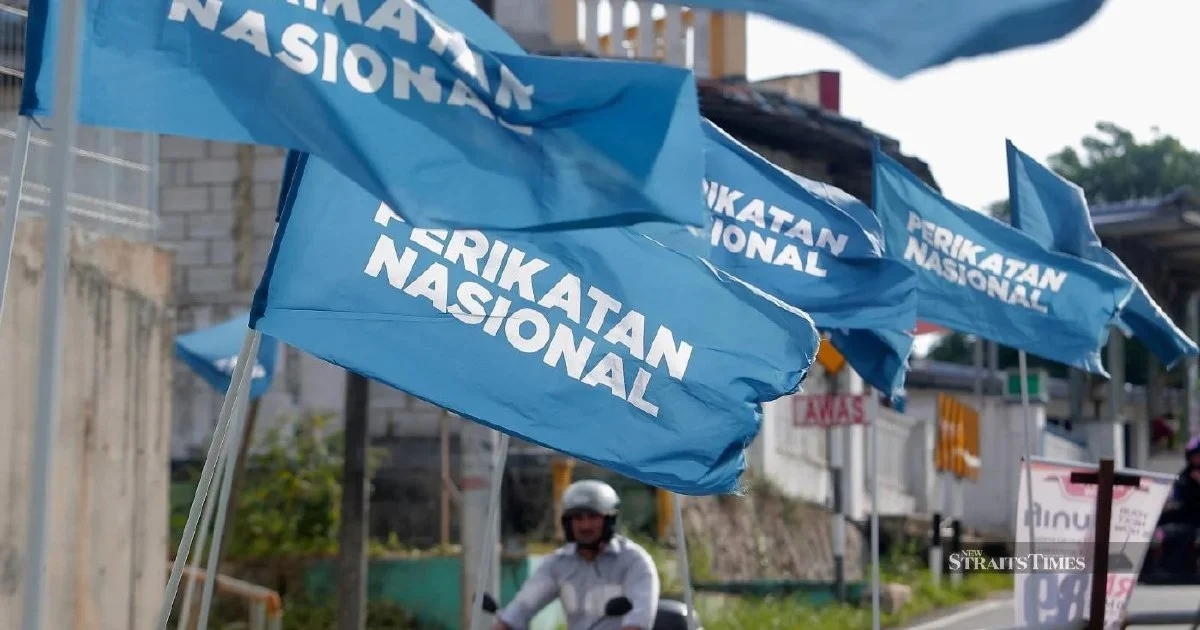
Perikatan Nasional appears committed to preserving its political partnership with Bersatu despite underlying tensions, with informed observers attributing the coalition's cautious approach to the looming state elections in Johor and Negri Sembilan. The timing of these contests has created an incentive structure that encourages unity rather than confrontation, even as different factions within the broader opposition grouping pursue distinct agendas.
The electoral calendar in Malaysia's southern and central regions presents a critical juncture for opposition forces seeking to consolidate power and build momentum heading into future federal contests. Johor, traditionally a stronghold of established political movements, represents particularly significant prize territory given its large parliamentary representation and symbolic importance to national politics. Similarly, Negri Sembilan offers opportunities for opposition parties to demonstrate electoral viability in a state where political fortunes have shifted considerably in recent years.
Analysts note that PN's approach reflects a pragmatic calculation: internal disagreements, if aired publicly or allowed to fester, could create openings for rival coalitions to exploit divisions. The opposition landscape remains fractured across multiple formations, and any sign of weakness within PN could provide advantages to competing political forces seeking to recruit disaffected members or win over swing voters. Maintaining at least an appearance of unity therefore becomes strategically valuable.
Bersatu's position within this arrangement merits particular attention. As a component party within the broader PN structure, Bersatu brings its own constituencies, grassroots networks, and leadership cadre to coalition discussions. The party has experienced considerable volatility in its political fortunes, having pivoted between different alliances and faced internal reorganisation in recent years. Preserving Bersatu's active participation in PN operations depends partly on ensuring that the party feels valued and has meaningful influence over coalition decision-making.
The coalition dynamics also reflect broader uncertainties about Malaysia's political future. With federal elections not mandated for several years, state-level contests become important laboratories for testing political messages, evaluating candidate viability, and building party machinery. Results in Johor and Negri Sembilan will offer valuable insights into voter sentiment and help parties refine their strategies for subsequent electoral contests at higher levels of government.
For PN leadership, managing internal diversity while projecting coherent messaging to voters presents an ongoing challenge. The coalition encompasses parties with different ideological orientations, demographic appeal, and policy priorities. Finding areas of sufficient agreement to contest elections jointly requires continuous negotiation and compromise. The window immediately preceding state elections represents a particularly delicate moment when maintaining unity becomes essential to campaign effectiveness.
Regional considerations add another dimension to this dynamic. Johor's geographic and demographic characteristics make it distinct from other Malaysian states, with particular concentrations of certain voter demographics and distinct local political traditions. Negri Sembilan similarly possesses its own political culture and electoral patterns. Parties operating in these contexts must address state-specific concerns while remaining aligned with their broader coalition partners on broader policy questions.
The composition of candidate slates for these elections will reveal much about how effectively PN has managed its internal relationships. If candidates from PN component parties are positioned prominently and enjoy coalition support, this would indicate successful negotiation and power-sharing arrangements. Conversely, any visible signs of internal competition or candidate imposition could signal underlying discord threatening coalition cohesion.
Looking beyond the immediate electoral calendar, PN's approach to maintaining Bersatu's participation carries implications for Malaysian opposition politics more broadly. The coalition represents one of several potential governing combinations available to voters, competing for attention and support against the incumbent federal government and other opposition groupings. Demonstrating the capacity to maintain discipline and unity therefore becomes a form of implicit campaign messaging, suggesting to voters that PN possesses the organisational maturity to govern effectively.
International and regional precedents suggest that opposition coalitions often face their greatest vulnerability during the period leading up to elections, when power-sharing calculations and candidate selection processes occur. The outcome of these negotiations frequently determines whether coalitions succeed or fracture under electoral pressure. PN's demonstrated commitment to keeping Bersatu engaged suggests recognition of these lessons and a determination to avoid repetition of historical patterns where coalition partners have separated over distributional disputes.
The stakes for all coalition participants remain substantial. Electoral success in Johor and Negri Sembilan would provide PN with enhanced credibility, additional state-level governing experience, and platforms from which to build toward future federal ambitions. Conversely, disappointing results could intensify internal questioning about coalition strategy and party contributions to electoral outcomes, potentially opening doors to renewed conflict over resource allocation and strategic direction. This fundamental calculus undergirds PN's apparent determination to maintain coalition unity through the current electoral cycle.