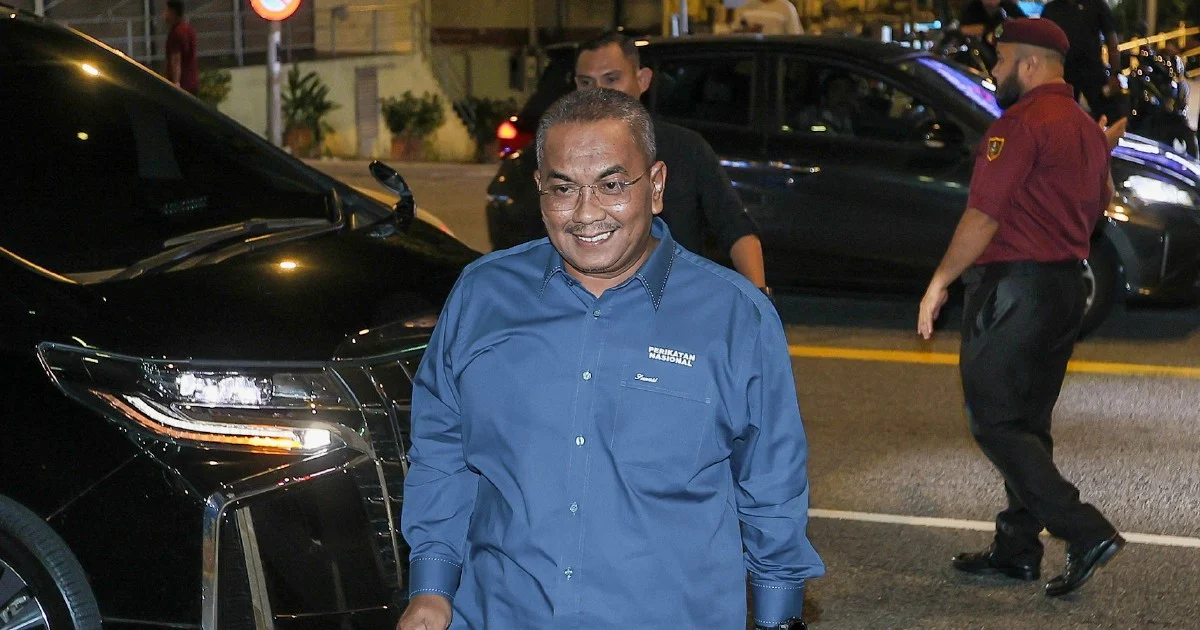
Perikatan Nasional has decisively ruled out using the Barisan Nasional logo for the Johor state election, according to the coalition's election director Datuk Seri Muhammad Sanusi Md Nor, who sought to put to rest mounting speculation about a potential alliance between the two political blocs ahead of the crucial contest. The clarification comes as political observers intensify scrutiny of coalition formations in the run-up to the state polls, a test of voter sentiment and a significant barometer of national political dynamics in Malaysia's most populous state.
The PN election director's statement effectively closes one chapter in ongoing discussions about possible electoral arrangements, signalling that the coalition intends to project a unified identity under its established party symbol. This decision underscores PN's strategy to position itself as a distinct political force rather than a subordinate partner within a broader framework. For a coalition that has undergone considerable transformation since its 2020 inception, maintaining brand clarity and organisational independence appears central to its electoral approach in Johor, a state where PN performed competitively in the 2018 general election and holds representation.
The Johor state election represents more than a routine electoral exercise; it carries implications far beyond the state legislature. As Malaysia's most economically significant state and a traditional political battleground between major coalitions, the outcomes will likely reverberate through the national political landscape. Voters in Johor, spanning urban centres like Johor Bahru and Iskandar Puteri as well as rural constituencies, hold preferences that often foreshadow broader national trends. A strong PN performance could validate its continued expansion as an alternative coalition, while conversely, disappointing results might necessitate strategic recalibration.
Rumours about potential collaboration between PN and BN had circulated in political circles, fuelled by instances where the two camps have found pragmatic alignments on specific issues or in certain state contexts. However, Sanusi's unambiguous statement suggests that at least for the Johor contest, both coalitions intend to mount separate campaigns. This competitive posture reflects the persistent rivalry between these two major political organisations, despite occasional tactical cooperation at the federal level or in individual state administrations.
Barisan Nasional's own preparations for the Johor election remain significant. The long-established coalition, which governed Johor continuously for decades until recent political upheaval, retains considerable machinery and voter networks in the state. The distinction between PN and BN strategies could sharpen the electoral competition and present voters with clearer choices about the direction of state governance. Such clarity, while potentially increasing fragmentation if other parties also contest independently, allows voters to make conscious decisions about coalition preferences rather than navigating complicated multi-party alliances.
Pesan's positioning in the Johor election also relates to broader struggles within Malaysia's political ecosystem. The coalition includes PAS, UMNO's traditional rival, alongside other parties seeking to carve out political space. By emphasising its own identity and logo, PN reinforces that it constitutes a genuine alternative to the established order represented by BN, an important message for supporters who may harbour reservations about collaborating with UMNO and its BN partners.
The electoral landscape in Malaysia has become increasingly fluid since the 2018 general election upended decades of political certainty. Johor, once considered a fortress of UMNO and Barisan Nasional dominance, witnessed dramatic political shifts that reflected nationwide sentiments. Subsequent elections have shown that voter preferences remain volatile and responsive to numerous factors including local governance performance, personality politics, and national policy grievances. Sanusi's clarification thus represents an attempt to crystallise voter perceptions before campaigns intensify.
From a strategic perspective, PN's decision to contest under its own banner requires confidence in its electoral machinery and appeal among Johor voters. The coalition must demonstrate that it can mobilise supporters effectively, articulate compelling policy alternatives, and overcome any perception that independent participation dilutes its competitive strength. Conversely, the decision reflects PN's assessment that association with BN would alienate core supporters who selected PN specifically as a contrast to the traditional establishment coalition.
The Johor election timing and outcome will inevitably influence calculations about future electoral configurations. Should PN perform strongly, it might embolden supporters of independent coalition politics and potentially reshape conversations about national coalition arrangements. Political analysts will scrutinise not only aggregate vote shares but also performance in specific constituencies to understand emerging voter realignments and the durability of different coalition combinations across Malaysia's diverse demographic regions.