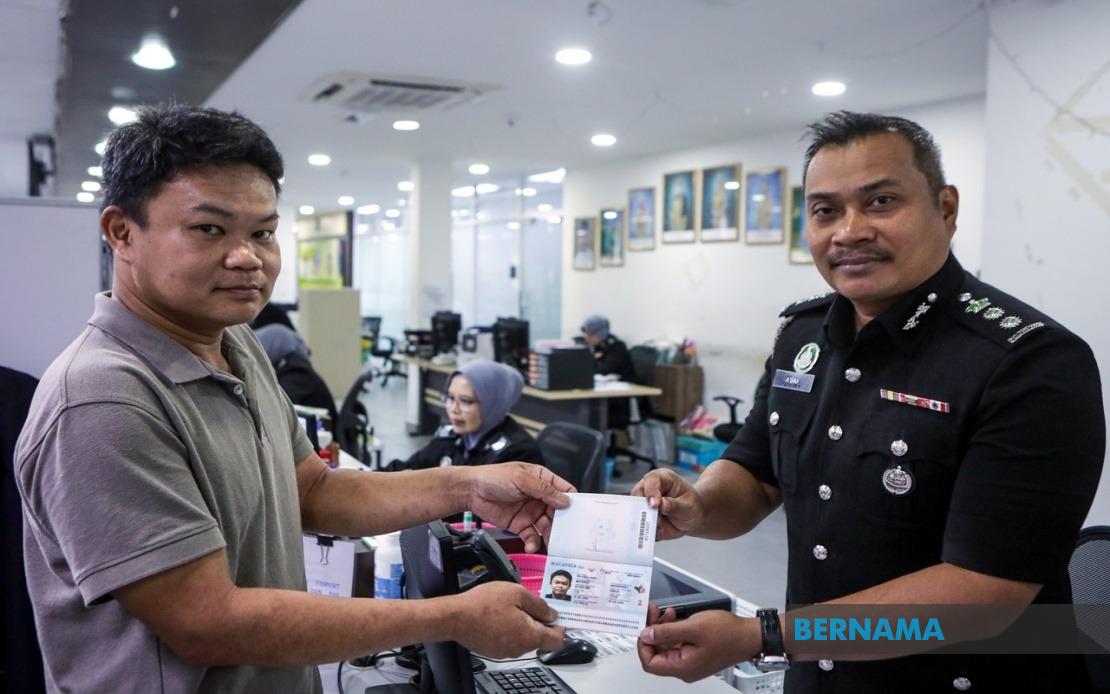
The Perlis Immigration Department commenced issuing the newly redesigned Malaysian International Passport on July 20, marking the first regional rollout of a significantly upgraded travel document that incorporates 94 distinct security features. Perlis Immigration director Mohammad A'sim Md Ali announced the development at a press conference held at the Kangar Urban Transformation Centre (UTC) Immigration Office, confirming that the advanced passport printing system had been successfully installed and deployed at the facility.
The rollout follows Prime Minister Datuk Seri Anwar Ibrahim's formal launch of the Malaysian International Passport on June 30, when applications opened nationwide for Malaysian citizens aged 18 and above. Applicants have been given flexibility in choosing their document's validity period, selecting either a five-year or ten-year passport depending on their travel requirements and personal circumstances. This choice represents a key enhancement from previous passport frameworks, allowing citizens greater control over their documentation planning.
Currently, the Perlis Immigration Office at the UTC is the sole facility in the state equipped to print the new passports. However, Mohammad A'sim disclosed that a second printing machine will be installed at the Perlis Ministry of Home Affairs (KDN) Complex once construction upgrades and service counter refurbishments are finalised. These infrastructure improvements are scheduled for completion by October, expanding the state's capacity to process applications and issue passports more efficiently across multiple locations.
The reception from Perlis residents has been positive during the initial implementation phase. Within the first day of availability, the department observed encouraging levels of public engagement, suggesting strong awareness and interest in the enhanced travel document among the local population. This early enthusiasm may indicate broader national acceptance of the new passport system across Malaysia's regions.
Statistical data from the Perlis Immigration Department provides perspective on the state's overall travel document volume. Between January 1 and July 17 of the current year, the department issued a total of 31,722 travel documents across multiple categories. This portfolio comprised 6,918 passports, 72 Restricted Travel Documents, and 24,732 Border Passes, demonstrating the diverse needs of Perlis residents and the substantial operational capacity required from immigration services in the state.
The new Malaysian International Passport represents a significant advancement in national travel security infrastructure. The incorporation of 94 security features substantially increases the difficulty of document fraud and counterfeiting, addressing persistent vulnerabilities in previous passport designs. These enhancements align Malaysia with international best practices in travel document security, positioning the country more competitively within regional and global travel security standards.
For Malaysian travellers, the upgraded passport offers tangible benefits beyond security improvements. The modern design reflects Malaysia's commitment to contemporary governance standards and digital integration, potentially enhancing acceptance and recognition at international border controls. The dual validity option also acknowledges different citizen demographics—professionals with frequent international engagement may prefer ten-year documents, while occasional travellers can opt for five-year validity with potentially lower renewal costs.
The phased rollout approach, beginning with Perlis and expanding through regional Immigration offices, allows authorities to monitor implementation effectiveness and address any procedural challenges before nationwide deployment. This measured strategy reflects sophisticated project management and reduces operational risk associated with major administrative system changes. Regional offices will accumulate expertise and troubleshoot technical issues before the full nationwide transition occurs.
For Southeast Asian context, Malaysia's enhanced passport system demonstrates the region's commitment to strengthening travel document security in response to growing transnational mobility and evolving security threats. ASEAN nations have progressively upgraded travel documentation standards, and Malaysia's latest initiative contributes to regional harmonisation of security benchmarks, potentially facilitating smoother intra-regional travel and commerce.
The timing of this rollout carries particular significance for Malaysia's tourism and business sectors. Enhanced passport security strengthens confidence among international partners in Malaysian travel documents, potentially supporting the country's ongoing efforts to attract foreign investment and tourism. Companies conducting international business operations benefit from improved document credibility, reducing administrative friction in cross-border transactions and travel.
Citizens in Perlis and neighbouring states should note the current geographic limitation on issuance. Those unable to travel to the Kangar UTC office may wish to defer applications until the second printing facility becomes operational in October, depending on their urgency and existing passport validity status. The Immigration Department has not yet announced whether additional regional printing facilities will be established beyond the two Perlis locations.
The successful deployment in Perlis establishes a foundation for progressive expansion to other states. Immigration officials will likely monitor processing times, application volumes, and technical performance at the current facilities to inform decisions regarding subsequent installations. This data-driven approach should ensure that the new passport system operates reliably across the peninsula before full national implementation becomes complete.

