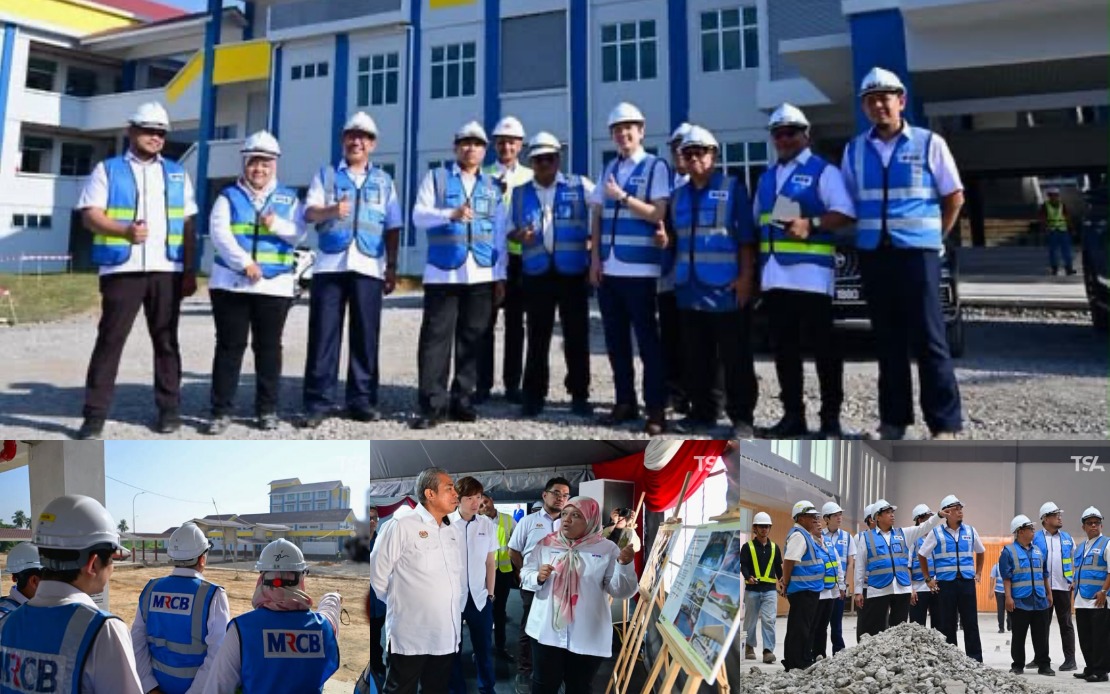
The Perlis Malaysia Sports School project in Bukit Chabang, Padang Besar, appears poised to finally emerge from over a decade of abandonment. Chief Secretary to the Government Tan Sri Shamsul Azri Abu Bakar has indicated that the facility is expected to reach full completion by January 2027, marking a significant milestone for an initiative that has languished since 2013. Speaking at the Iltizam 2026 Convention at Universiti Utara Malaysia in Sintok, Shamsul Azri expressed confidence in the timeline, stating that the first phase of construction has achieved between 85 and 90 per cent completion and remains aligned with schedule targets.
The resurgence of this project follows a decisive intervention by Prime Minister Datuk Seri Anwar Ibrahim in April last year, when he ordered that responsibility for the school's construction be transferred to a capable government-owned company. This administrative reshuffling represented an acknowledgment that previous arrangements had failed to deliver results over nearly thirteen years of stalled progress. The decision to place the project under new management reflects growing impatience within government circles over infrastructure projects that have consumed public resources without reaching fruition, a concern that resonates across Malaysia's development agenda.
According to Shamsul Azri's assessment during his site inspection, the primary obstacles that had previously derailed the project have now been successfully resolved. The shortage of qualified manpower and ongoing complications with contractor performance, which had previously stalled work, have been addressed through the restructuring. This represents a notable shift from the historical pattern of excuses and missed deadlines that had characterized the project's two decades of planning and attempted execution. The confidence expressed by the Chief Secretary appears grounded in tangible progress rather than mere optimistic rhetoric, a distinction that matters considerably to stakeholders who have watched this facility remain unfinished.
For Perlis and northern Kedah, the completion of this sports facility carries strategic importance beyond mere recreational infrastructure. The state has historically struggled with limited sporting facilities compared to more developed regions, placing local athletes at a disadvantage in developing their capabilities. A world-class sports school would provide the state's young talent with competitive training resources comparable to what peers in larger metropolitan areas enjoy. Furthermore, the facility promises to generate employment during construction and create permanent positions once operational, contributing to economic diversification in an area historically dependent on agriculture and small-scale manufacturing.
The broader significance of this project's revival relates to government efficiency and project accountability. Malaysian infrastructure development has suffered from numerous white elephant projects and abandoned construction sites that represent wasted public money and eroded confidence in government delivery. The decision to transfer this school to a government-owned enterprise rather than continuing with the previous arrangement suggests learning from past failures and a willingness to restructure failing initiatives. However, skepticism remains warranted given the project's history, and stakeholders will be monitoring progress carefully over the coming months.
During the same address, Shamsul Azri highlighted the Government Service Efficiency Commitment Act 2025, which came into full force on December 1, 2025. He characterized this legislation as more than mere administrative policy, describing it as a binding legal instrument designed to rebuild public confidence in Malaysia's bureaucratic systems. The act represents part of a broader initiative to reduce unnecessary red tape and streamline how government services operate, addressing a persistent complaint from businesses and citizens about administrative inefficiency. By embedding efficiency commitments in legislation rather than relying on ministerial directives alone, the government is attempting to create enforceable accountability structures.
The implementation of Bureaucratic Red-Tape Reform projects under the Public Service Reform Agenda has yielded measurable outcomes since its 2024 launch. A total of 439 reform initiatives have been completed, generating estimated compliance cost savings of RM2.95 billion for citizens and businesses. These figures suggest that systematic efforts to remove regulatory obstacles and simplify government procedures can deliver substantial economic benefits. For Malaysian businesses already grappling with operational costs and competitive pressures, such savings translate into improved viability and competitiveness, particularly for small and medium enterprises that operate with tighter margins than larger corporations.
The Perlis sports school's eventual completion will provide a concrete test case of whether these efficiency initiatives are producing genuine change. If the facility opens on schedule with quality infrastructure and professional management, it would validate the government's claims about improved delivery capacity. Conversely, further delays would suggest that structural problems in project management persist despite legislative reforms. The project's visibility and prominence within Malaysia's sports and education spheres mean that its outcome will influence broader perception of government capability to execute major initiatives.
Regionally, the facility positions Perlis as a potential hub for sports development in northern Malaysia, potentially attracting talent from neighboring Thai provinces and other Southeast Asian jurisdictions seeking quality training infrastructure. International sports academies increasingly compete to establish partnerships with regional facilities, and a completed facility in Perlis could position Malaysia to engage in such arrangements. This would enhance Malaysia's sporting profile in Southeast Asia and potentially contribute to medal performances in regional and international competitions.
Shamsul Azri also addressed ongoing concerns about civil servant political activity ahead of electoral cycles. He reiterated that regulations prohibit government employees from engaging in political activism, stating that no complaints have been received thus far. This reassurance reflects awareness that electoral periods routinely raise concerns about public sector neutrality and impartiality. Maintaining civil service integrity depends on consistent enforcement of such prohibitions and transparent investigation of violations, matters that will continue receiving public attention as Malaysia approaches future electoral contests.
The path forward for the Perlis Malaysia Sports School depends on sustained momentum and uninterrupted funding. The project has survived multiple political transitions and administrative changes, suggesting that it carries genuine cross-party support or at least acquiescence. However, infrastructure projects in Malaysia have historically suffered when political priorities shift or when budget pressures emerge elsewhere. Monitoring construction progress through the coming months will provide early indicators of whether January 2027 represents a realistic target or another in a lengthy series of postponed deadlines.

