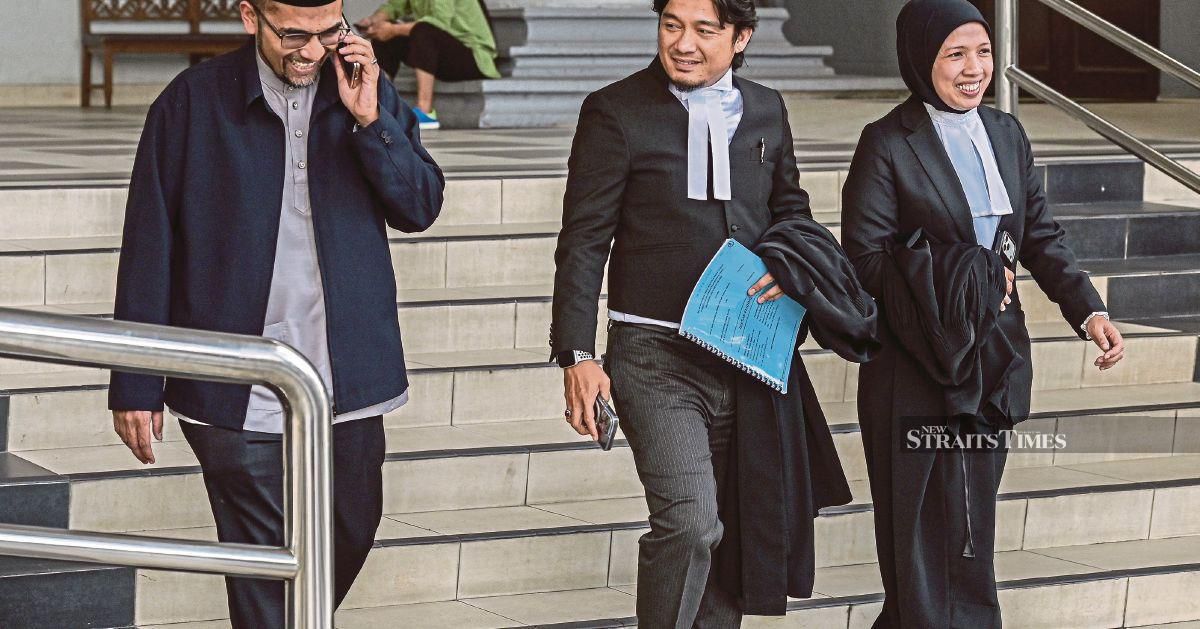
Datuk Dr Mohd Asri Zainul Abidin, the Mufti of Perlis, has emerged victorious from a defamation dispute, with the High Court ordering the payment of RM250,000 in damages to compensate for harm to his reputation. The ruling came after the court examined allegations made through social media that sought to establish a connection between the senior Islamic official and GISBH, a corporate entity that has faced considerable public scrutiny. This judgment represents a significant moment in Malaysian jurisprudence regarding defamation claims rooted in digital platforms, which have become increasingly common as social media spreads unverified information across wider audiences.
The case hinged on posts published on a Facebook account, which the court found to have defamatory content directed at the Perlis Mufti. The defendant, who operated the account, had disseminated claims alleging an association between Dr Asri and GISBH—implications that the High Court determined were false, misleading, and damaging to his standing. The decision underscores judicial recognition that statements published on Facebook and similar platforms carry the same legal weight as traditional media, despite the informal nature of social networking sites. Malaysian courts have increasingly treated online defamation with the gravity it deserves, particularly when targeting individuals of public prominence whose reputations depend heavily on public trust.
The RM250,000 compensation awarded reflects the court's assessment of the injury sustained by the plaintiff across multiple dimensions. Beyond immediate reputational harm, the judgment acknowledges the broader impact of false allegations on a person's professional credibility, especially in religious and administrative spheres where public confidence is fundamental. Dr Asri's position as Perlis Mufti carries significant institutional authority, and the court evidently considered that false associations with controversial entities could undermine both his personal standing and, by extension, public confidence in the religious institution he represents. This layered understanding of reputational damage reflects contemporary judicial thinking about how digital misinformation compounds injury in the modern era.
GISBH itself has occupied a contentious position in Malaysian public discourse, making any connection to the holding company particularly damaging regardless of truth. The company's troubled history has meant that mere association through social media allegations—even without substantiation—can carry considerable reputational weight. By pursuing this defamation action, Dr Asri effectively challenged the narrative that had circulated online, forcing a court examination of the factual basis behind the claims. This judicial intervention serves as a check against the tendency for unverified allegations to gain traction through repetition on social platforms, where misinformation can spread exponentially before fact-checking occurs.
The ruling has potential implications for other prominent Malaysians facing similar campaigns on social media. It establishes that courts will scrutinize the evidentiary basis of serious allegations published online and hold those responsible for disseminating false information to account. However, the partial nature of the ruling—the court ruled in Dr Asri's favour on part of his defamation suit—suggests that not all allegations in the Facebook posts were deemed defamatory or provable as false, indicating judicial caution about overreach in restricting online speech. This nuanced approach balances the need to protect reputation against the equally important principle of preserving space for legitimate commentary and debate.
From a broader regulatory perspective, this case illustrates the gaps in current approaches to combating online misinformation in Malaysia. While individual defamation suits provide a remedy for affected parties with resources to pursue legal action, most people lack the means to litigate. The fragmented nature of such cases means that false narratives can continue circulating across the internet even after a court ruling, as the judgment typically applies only to specific defendants and does not prevent others from republishing similar claims. This limitation highlights why some observers believe complementary regulatory mechanisms, including digital literacy initiatives and platform accountability measures, should accompany the legal framework.
The defendant's identity and circumstances remain significant to understanding the case's context. Facebook accounts with modest reach can nevertheless amplify damaging allegations through sharing and comments, creating visibility that rivals traditional media in certain communities. Whether the account owner operated independently or as part of a coordinated campaign remains unclear from available information, though the specificity of allegations linking Dr Asri to GISBH suggests some deliberation rather than casual defamation. The court's finding in the plaintiff's favour indicates that whatever motivated the posts, they failed to meet the threshold of truth or justifiable opinion necessary to escape defamation liability.
For religious leaders and public officials in Malaysia, this judgment provides both reassurance and caution. It demonstrates that courts remain willing to protect reputation against online falsehoods, yet also shows that litigation is costly and time-consuming. Dr Asri's success required sustained legal effort and resources that most individuals cannot command. The case also highlights how quickly social media can damage public figures' standing, even when courts eventually vindicate them, since reputational injury occurs immediately upon publication and may persist regardless of subsequent legal remedy. The psychological and professional costs of defending against false allegations extend beyond financial compensation.
Moving forward, the decision may encourage other targets of online defamation to pursue legal remedies, potentially increasing defamation cases in Malaysian courts. This could have salutary effects by deterring frivolous or malicious posts, though it might also chill legitimate criticism if pursued too aggressively. Platform operators like Facebook face mounting pressure to address defamatory content more proactively rather than merely responding after complaints or court orders. Whether Malaysian authorities will eventually implement stronger requirements for platform accountability in handling defamatory posts remains an open question, but this judgment contributes to a growing body of case law establishing that online spaces are not exempt from defamation law.

