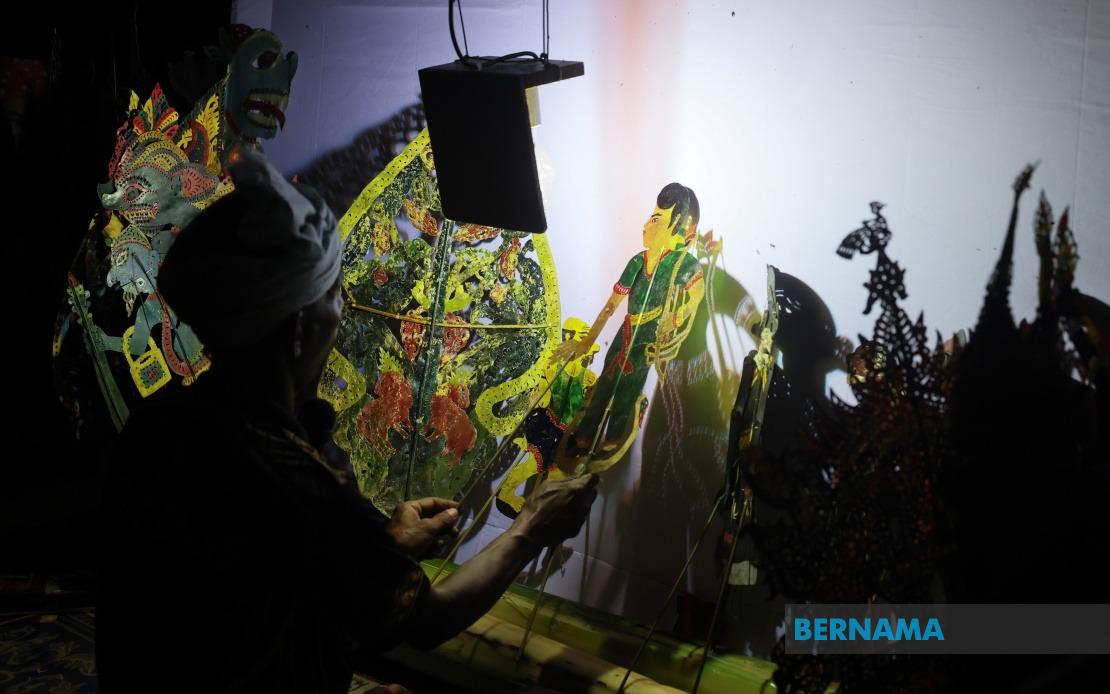
The ancient art of wayang kulit in Kelantan stands at a crossroads, battling administrative red tape and an alarming shortage of young artists committed to preserving this centuries-old shadow puppet tradition. Speaking recently in Kampung Kubang Rawa, a seasoned performer with three decades of experience highlighted how regulatory constraints have become as formidable as the mythological demons depicted in the leather puppets themselves. The irony is sharp: while audiences remain genuinely interested in this culturally significant art form, the very authorities tasked with cultural preservation have made it increasingly difficult for practitioners to stage performances through stringent permit requirements that keep growing more complicated.
The modernisation of wayang kulit has successfully adapted the tradition to contemporary sensibilities and religious standards. Today's performances scrupulously adhere to syariah compliance, having shed the ritualistic elements that once characterised traditional shows but now pose concerns to religious authorities. This evolution demonstrates the art form's resilience and the practitioners' pragmatism—rather than defending outdated practices, they have deliberately reformed the medium to ensure its viability in a changing Malaysian context. The technical precision required remains unchanged; every character movement must align perfectly with the accompanying gamelan music, demanding years of disciplined apprenticeship and an almost choreographic understanding of rhythm and visual harmony.
Contemporary wayang kulit has successfully integrated social relevance without abandoning its cultural essence. Performers routinely weave comedic elements and current affairs into their dialogues, making the ancient narratives resonate with modern audiences across age groups. When government agencies or community organisations sponsor performances, practitioners incorporate messaging about health campaigns, education initiatives, or civic responsibility directly into the narrative framework. This adaptive quality reveals wayang kulit's continuing vitality—it functions simultaneously as entertainment and moral instruction, reinforcing values about virtue being rewarded and wrongdoing bringing consequences, all wrapped in compelling storytelling that captivates viewers young and old.
The localisation of classical tales further demonstrates how wayang kulit has maintained cultural relevance. The Ramayana as performed in Kelantan diverges substantially from the original Sanskrit epic, having undergone deliberate adaptation in language, performance delivery, and embedded values to reflect local sensibilities and Malay-Muslim culture. This localisation strategy has allowed the art to remain meaningful rather than becoming a museum piece performed only for nostalgic audiences. The tradition thereby bridges classical Indian literary heritage with distinctly Malaysian cultural expression, creating something unique that belongs fully to neither tradition yet enriches both.
Yet technical mastery requires far more than viewing performances or casual instruction. The art demands profound respect for teachers and mentors, combined with humility during the learning process and unwillingness to become arrogant about one's evolving skills. A current practitioner learned initially under a mentor now deceased, then studied extensively under multiple masters including the late Nafi Komando from Tanah Merah and the late Dollah Baju Merah (Abdullah Ibrahim). This apprenticeship model, rooted in direct master-to-student transmission across years, proves increasingly difficult to maintain when younger Malaysians pursue education and careers in more lucrative, prestigious fields.
The demographic crisis facing wayang kulit is stark and immediate. Only three senior practitioners remain actively performing in Kelantan, a dramatic contraction from the community that once sustained this art form across the state. The passing of the older generation has accelerated alarming quickly, and without urgent intervention, the art threatens to contract further despite not necessarily disappearing entirely in the coming years. This trajectory suggests a slow-motion cultural extinction—the tradition will persist in fragmented, diminished form rather than vanishing overnight, making the crisis easier to ignore even as it deepens.
The permit system appears designed without adequate consideration of cultural preservation objectives. When bureaucratic processes intended to regulate public gatherings create barriers so onerous that they discourage performance altogether, the system undermines its ostensible purpose. Kelantan's permit difficulties exceed those faced a generation ago, suggesting that regulatory frameworks have tightened without corresponding cultural exemptions or streamlined processes for heritage arts. This administrative burden falls heaviest on individual practitioners and small cultural groups lacking the resources of large commercial entertainers.
Government support mechanisms have proven inadequate to sustain this cultural treasure. Financial assistance, professional guidance, and reliable performance opportunities constitute the minimal requirements for keeping wayang kulit alive as a living tradition rather than archived memory. Currently, such support appears sporadic and insufficient to offset the attractiveness of alternative careers. Young Malaysians must perceive genuine economic viability and social prestige in becoming wayang kulit masters, yet the current reality offers declining audiences relative to broader entertainment options, regulatory obstacles, and modest financial returns.
The implications extend beyond Kelantan's cultural identity to Malaysia's broader heritage preservation agenda. Wayang kulit represents a distinctive Southeast Asian artistic tradition with deep historical roots predating modern nation-states. Its extinction would represent not merely local cultural loss but the disappearance of knowledge systems and aesthetic sophistication accumulated across centuries. The art embodies particular approaches to narrative, visual composition, musical integration, and moral instruction that cannot be fully recreated once the living tradition among active practitioners ceases.
Revitalising this tradition demands multifaceted intervention. Streamlined permit processes specifically designed for cultural heritage performances could remove administrative obstacles without compromising legitimate regulatory objectives. Government cultural agencies should establish mentorship subsidies and performance opportunities guaranteeing sustainable income for practitioners training successors. Educational institutions might integrate wayang kulit appreciation and basic technique into curricula, building cultural awareness among potential future practitioners. These measures, properly funded and coordinated, could transform wayang kulit from a fading echo into a vibrant contemporary tradition.
The challenge ultimately reflects broader questions about Malaysian cultural priorities. The nation possesses sophisticated frameworks for preserving physical heritage sites and supporting certain cultural institutions, yet traditional performing arts receive comparatively minimal systematic support. Until permit systems, financial resources, and social prestige align to make wayang kulit mastery an attractive career path for talented young Malaysians, the tradition will continue its gradual contraction despite genuine public interest in its survival.

