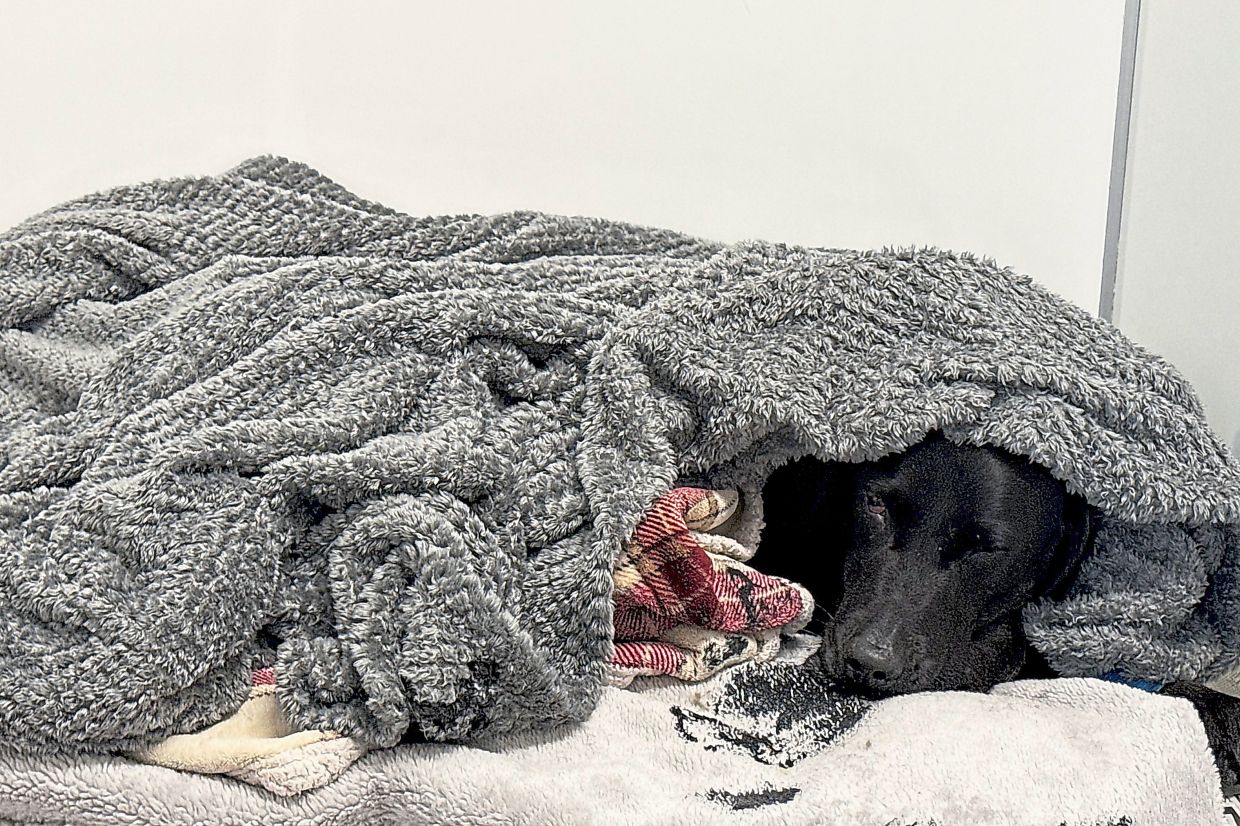
A dramatic mountain rescue in the Scottish Highlands has drawn attention to a troubling and increasingly common hazard facing pet owners: the accidental ingestion of cannabis by dogs exploring outdoor trails. During a July 5 ascent of Ben Nevis, Britain's highest peak at 1,345 metres, Christina Bluhme's five-year-old black Labrador retriever, Tokyo, consumed cannabis apparently left on the mountainside and subsequently collapsed, triggering an emergency rescue operation that would test the resilience of both animal and owner amid deteriorating weather conditions.
Bluhme, a seasoned canine trainer with 25 years of professional experience, found herself confronted with a medical emergency that her expertise could not immediately decode. As Tokyo began displaying symptoms of intoxication—swaying unsteadily and losing the ability to walk altogether—Bluhme struggled to understand what was afflicting her companion. The circumstances were especially challenging; the group had ventured more than three hours into their climb and had reached a point near the summit when weather conditions dramatically worsened. Clear skies at the outset transformed into heavy rain, and temperatures plummeted to a perilous 5 degrees Celsius. Faced with a seriously incapacitated 25-kilogramme dog and dangerous conditions, Bluhme made the difficult decision to abandon the summit attempt and prioritise descent and medical intervention.
The rescue operation that followed illustrated both the unpredictability of mountain emergencies and the fortunate timing that sometimes determines outcomes in such situations. When Bluhme's son, Magnus, contacted emergency services for assistance, police expressed uncertainty about deploying a formal rescue crew. However, members of the all-volunteer Lochaber Mountain Rescue Team, who were already descending from the peak after assisting with a helicopter evacuation of an injured hiker, encountered the group and immediately sprang into action. The trained rescuers carefully positioned Tokyo onto their stretcher and navigated the steep, rain-slicked, and treacherous rocky terrain with remarkable speed, covering the distance to the trailhead in approximately one hour—a feat Bluhme described with admiration and relief.
The coordinated response extended beyond the mountain itself. Police had contacted Crown Vets in the nearby town of Fort William, ensuring that a veterinarian was standing ready when Bluhme arrived with her distressed animal. Initial diagnostic assessments proved inconclusive; the vet team initially suspected a spinal condition. However, senior veterinary staff recognised patterns consistent with neurotoxicity, noting Tokyo's fluctuating consciousness and unusual neurological symptoms. Consultation with a poison control centre confirmed what had seemed improbable to Bluhme: Tokyo had ingested cannabis and was suffering from drug intoxication. Treatment involved administering activated charcoal, and Tokyo made a complete recovery within twenty-four hours, as though the ordeal had never occurred.
The incident, while fortunate in its resolution, highlights a concerning and accelerating trend affecting pet welfare across multiple countries. Cannabis toxicity in domestic animals has emerged as a significant public health concern within the veterinary community, particularly as drug consumption patterns have evolved. In the United States, the problem has reached crisis proportions; cannabis entered the American Society for the Prevention of Cruelty to Animals' top ten list of pet toxins for the first time in 2023, reflecting the scale and prevalence of accidental pet poisonings. Britain, too, has witnessed a noticeable rise in cases of cannabis-intoxicated animals presenting to veterinary clinics, though the problem remains somewhat less acute than in North America.
For Southeast Asian pet owners and regional veterinary professionals, this trend carries particular significance as cannabis legalisation and decriminalisation movements gain momentum in various jurisdictions globally. While Malaysia maintains strict drug laws, the increasing occurrence of such incidents in Western countries raises questions about future trends and the potential for similar issues to emerge as regional attitudes toward cannabis evolve. The visibility of these cases also serves as a cautionary reminder about the dangers posed by irresponsibly discarded substances in public spaces and popular hiking destinations where families and pets frequently venture.
The financial and emotional toll of Tokyo's ordeal was substantial. The veterinary treatment that saved the Labrador's life carried a bill of approximately £1,000, equivalent to roughly RM5,445. While the expense was significant, Bluhme viewed the cost as entirely justified given the alternative of losing a beloved companion. Her perspective reflects the reality that emergency veterinary services, particularly those involving complex diagnoses and intensive care, command substantial fees. For Malaysian pet owners accustomed to generally lower veterinary costs in the region, such figures underscores the expense associated with emergency animal care in developed nations and the importance of pet insurance or financial preparedness for medical contingencies.
Bluhme's experience also underscores the psychological impact that such incidents inflict on pet owners. Despite Tokyo's swift and complete physical recovery, Bluhme herself acknowledged lingering emotional effects from the harrowing experience. The fear of losing a treasured animal, the shock of witnessing unexplained neurological symptoms, and the adrenaline of a mountain emergency combined to create trauma that persisted even after veterinary all-clear had been received. This emotional dimension is often overlooked in discussions of pet poisoning incidents but represents a genuine and lasting consequence for owners who must process frightening uncertainty and the threat of permanent loss.
The role of volunteer rescue services in this incident deserves recognition and reflection. The Lochaber Mountain Rescue Team's rapid response and technical competence transformed a potentially tragic situation into one with a positive outcome. These volunteer organisations, which operate across mountain regions in Britain and internationally, typically receive minimal funding and rely on community support. Their willingness to assist animals alongside humans reflects a broader social commitment to welfare and rescue that extends beyond the strict remit of traditional emergency services. For regional mountaineering communities across Southeast Asia, including those in Malaysia's own highland areas, the model of volunteer-supported rescue infrastructure merits consideration as outdoor recreation popularity increases.
Moving forward, the incident raises practical questions for recreational hikers and pet owners exploring wilderness areas. The primary defence against cannabis ingestion remains vigilance and responsible waste disposal by all who use public trails. Dog owners hiking in areas where discarded drugs are known to occur might consider keeping animals on leads during portions of the ascent, despite the additional burden this imposes. Veterinary professionals should also ensure familiarity with cannabis toxicity symptoms and treatment protocols, as misdiagnosis could delay appropriate intervention. Educational campaigns highlighting the risks of discarded drugs to wildlife and pets might encourage more responsible behaviour among outdoor users.
The incident ultimately serves as a reminder that modern outdoor recreation involves hazards beyond traditional weather and terrain challenges. As societal attitudes toward cannabis continue to shift globally, and as urban and wild spaces increasingly intersect, pets and wildlife face novel and evolving risks. Tokyo's fortunate rescue and recovery, while personally gratifying for Bluhme, also functions as a cautionary tale prompting reflection on environmental responsibility, veterinary preparedness, and the importance of rapid emergency response systems in protecting our animal companions.

