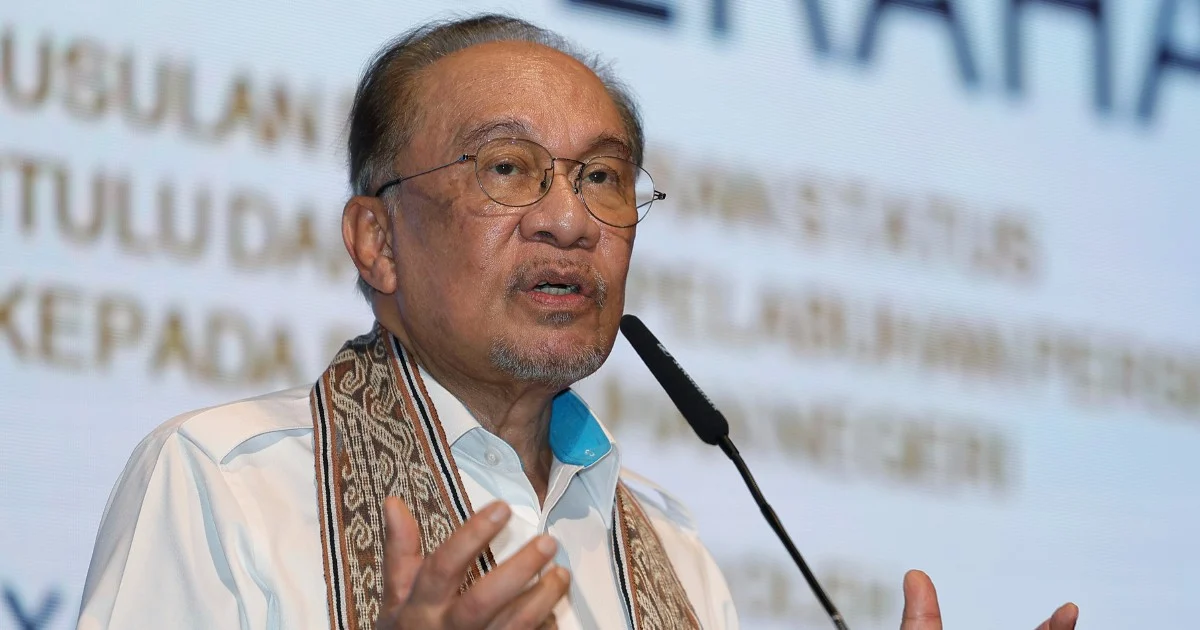
Prime Minister Datuk Seri Anwar Ibrahim delivered upbeat remarks about the trajectory of talks between Petronas and Petros during a visit to Kuching, suggesting that discussions between the national and state-level hydrocarbon entities are moving in a constructive direction.
The negotiations have long represented a critical juncture in Malaysia's energy governance, with implications extending across the federation's federal-state relations framework. Sarawak's relationship with Kuala Lumpur concerning petroleum and natural gas resources has historically been complex, touching on sovereignty, revenue-sharing arrangements, and the degree of autonomy the state exercises over its offshore deposits. Petros, the state petroleum development corporation, has positioned itself as the custodian of Sarawak's interests in these discussions, while Petronas maintains its role as the national operator of hydrocarbon production.
The conversation between these two entities carries considerable weight beyond the boardroom. Sarawak generates substantial government revenue from oil and gas exports, making the terms of any agreement with Petronas consequential for state coffers and development priorities. The resolution of outstanding disputes or clarifications regarding operational responsibilities, revenue allocation, and resource management could unlock capital investment and streamline project development in one of Southeast Asia's most productive offshore basins.
Anwar's characterisation of the discussions as showing positive progress appears aimed at signalling to both stakeholders and the broader investment community that the parties are narrowing differences and moving toward workable solutions. In Malaysia's political economy, such reassuring statements from the prime minister often precede formal announcements or the finalisation of agreements. The careful, optimistic language employed suggests that while challenges remain, the negotiating teams have identified common ground on key issues.
For Malaysia's energy sector, the backdrop to these talks remains significant. The nation continues to depend heavily on petroleum and natural gas revenues, with production facilities and infrastructure concentrated in locations including Sabah and Sarawak. Any friction between federal and state authorities over hydrocarbon management risks delaying new projects, complicating operational decisions, and potentially deterring international partners from committing capital to exploration or development ventures in Malaysian waters. Conversely, a harmonised framework would provide clarity that encourages investment and maximises returns from finite resources.
Petros and Petronas represent different constituencies within Malaysia's governance architecture. Petronas operates under federal authority and answers to the federal government, managing national energy security and contributing significantly to federal revenue streams. Petros, conversely, acts as Sarawak's vehicle for securing local control over resource development and protecting the state's financial interests. These different mandates can create friction when operational decisions, production schedules, or revenue sharing arrangements come under discussion.
Regional observers have long watched these negotiations closely, given Sarawak's strategic position in Southeast Asia's energy landscape and the global significance of Malaysian natural gas exports. The state's liquefied natural gas projects and offshore infrastructure make it a key player in regional energy markets, with implications for pricing, supply security, and the competitiveness of Malaysian energy exports relative to producers in Australia, Indonesia, and Papua New Guinea.
The progress Anwar referenced likely encompasses technical discussions about operational protocols, governance arrangements, and mechanisms for dispute resolution. Both entities share a fundamental interest in maintaining and growing production from Sarawak's fields, which suggests that negotiators can build consensus around development objectives even if detailed implementation methods remain under refinement.
Investors watching these developments have reason for cautious optimism. The telecommunications sector and broader business community in Malaysia have repeatedly encountered situations where protracted government-level negotiations create uncertainty affecting capital allocation and project timelines. Clearer bilateral understanding between Petronas and Petros would reduce such friction, making it easier for energy companies to plan long-term operations and secure financing for major capital projects.
Anwar's public confirmation of momentum in these talks also carries political significance within Malaysia's federal system. Sarawak holds considerable political weight in federal parliament, and Chief Minister Abang Johari Openg has made state resource autonomy a cornerstone of his administration's agenda. The federal government's demonstrated willingness to engage seriously on Petronas-Petros matters reflects understanding of this political reality and the importance of maintaining harmonious federal-state relations on issues affecting Sarawak's prosperity.
The timeframe for concluding these negotiations remains unclear, though Anwar's comments suggest resolution may not be imminent despite positive direction. Complex resource-sharing arrangements typically require substantial legal and commercial structuring, and both sides likely need to secure internal approvals before finalising terms. Nevertheless, the announcement that talks are progressing constructively represents a meaningful signal to stakeholders across Malaysia's energy, finance, and political establishments that a path forward is emerging from what has occasionally seemed like intractable disagreement.
%22%2F%3E%3C%2Fpattern%3E%3C%2Fdefs%3E%3Crect%20width%3D%22100%25%22%20height%3D%22100%25%22%20fill%3D%22url(%23ph24037g)%22%2F%3E%3Crect%20width%3D%22100%25%22%20height%3D%22100%25%22%20fill%3D%22url(%23ph24037p)%22%2F%3E%3Ctext%20x%3D%2250%25%22%20y%3D%2250%25%22%20text-anchor%3D%22middle%22%20dominant-baseline%3D%22central%22%20fill%3D%22rgba(255%2C255%2C255%2C0.95)%22%20font-family%3D%22Georgia%2C%20'Times%20New%20Roman'%2C%20serif%22%20font-weight%3D%22700%22%20font-size%3D%22320%22%20letter-spacing%3D%22-0.02em%22%3EIran%3C%2Ftext%3E%3C%2Fsvg%3E)
%22%2F%3E%3C%2Fpattern%3E%3C%2Fdefs%3E%3Crect%20width%3D%22100%25%22%20height%3D%22100%25%22%20fill%3D%22url(%23ph1r7fsg)%22%2F%3E%3Crect%20width%3D%22100%25%22%20height%3D%22100%25%22%20fill%3D%22url(%23ph1r7fsp)%22%2F%3E%3Ctext%20x%3D%2250%25%22%20y%3D%2250%25%22%20text-anchor%3D%22middle%22%20dominant-baseline%3D%22central%22%20fill%3D%22rgba(255%2C255%2C255%2C0.95)%22%20font-family%3D%22Georgia%2C%20'Times%20New%20Roman'%2C%20serif%22%20font-weight%3D%22700%22%20font-size%3D%22320%22%20letter-spacing%3D%22-0.02em%22%3EIran%3C%2Ftext%3E%3C%2Fsvg%3E)