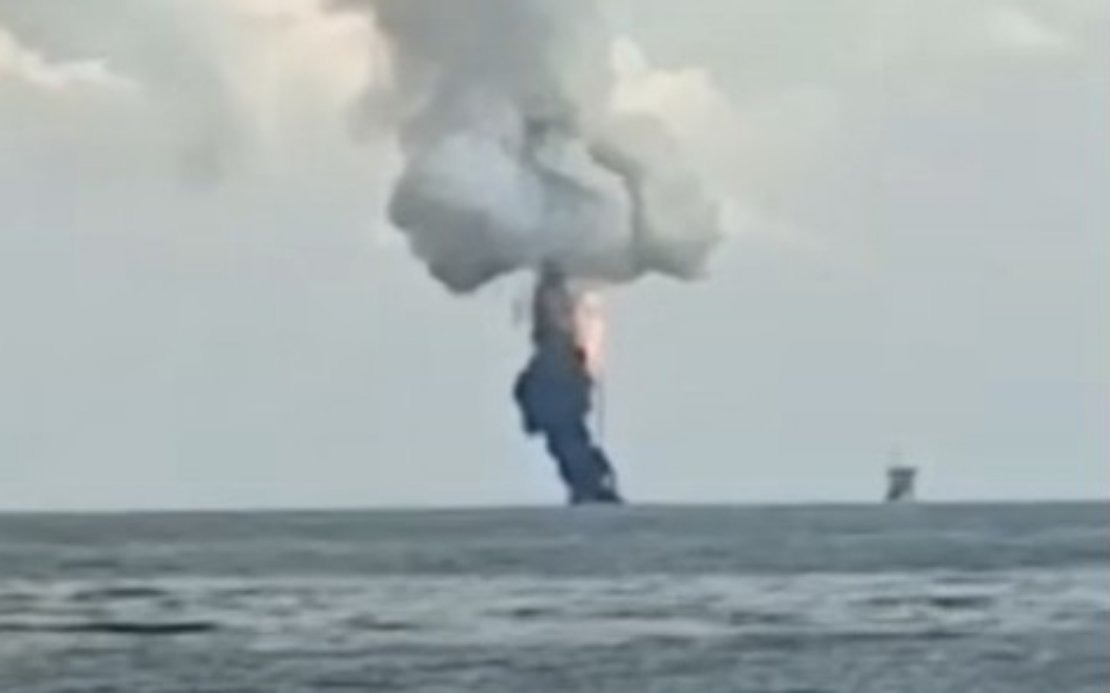
Vestigo Petroleum Sdn. Bhd., a subsidiary of Petronas Carigali, has formally acknowledged a fire that broke out at its West Lutong Vent A (WLV-A) production facility approximately 2 kilometres offshore Sarawak on June 28. The company issued a statement on June 29 confirming that the situation has been brought under control, with authorities now investigating the underlying cause of the incident. The event briefly captured public attention when videos circulated widely on social media platforms, prompting the company's swift response and confirmation.
Oil and gas operations in Malaysian waters, particularly those operated by Petronas and its subsidiaries, maintain some of the most stringent safety protocols in Southeast Asia. The West Lutong Vent A facility represents one of several production platforms operating in Sarawak's offshore blocks, contributing significantly to Malaysia's oil output and government revenue. That such an incident could occur and be resolved without casualties underscores the effectiveness of established emergency response procedures on modern offshore installations.
Vestigo's statement emphasised that no personnel sustained injuries and that all workers were accounted for following the fire. The company noted that it had implemented necessary precautionary measures to mitigate the risk of exposure and that the incident generated no immediate threat to communities on the mainland or to the marine environment surrounding the platform. This swift containment prevented what could have escalated into a more serious situation, particularly given the volatile nature of hydrocarbon operations at sea.
The company is collaborating closely with relevant regulatory authorities and emergency response agencies to establish precisely what triggered the fire. Such investigations typically examine equipment performance, maintenance records, operational procedures, and environmental conditions at the time of the incident. The transparency displayed by Vestigo in acknowledging and providing preliminary information stands in contrast to earlier incidents in Malaysia's offshore sector where communication delays sometimes compounded public concern.
For Malaysia's energy sector, offshore incidents carry significant implications beyond immediate safety concerns. Investors, both domestic and international, monitor the industry's safety record and regulatory compliance closely. Any production disruption, even temporary, can affect Malaysia's crude oil export volumes and the revenue streams that support government budgets and pension schemes. The rapid resolution at West Lutong Vent A suggests operational resilience, though the cause investigation will determine whether systemic improvements are needed across Petronas' wider offshore fleet.
Sarawak's role as Malaysia's largest crude oil producer makes such incidents matters of state concern. The state government, through its agency Sarawak Energy Commission and other bodies, maintains oversight of major hydrocarbon operations. The platform's location in waters that are vital to Malaysia's maritime economy means environmental protection forms a central component of any incident response and investigation protocol. Fortunately, early reports indicate minimal environmental impact, though formal environmental assessments will follow.
The broader context of Malaysia's energy transition adds another dimension to this incident. As the nation gradually diversifies away from fossil fuels toward renewable energy and liquefied natural gas, incidents at legacy platforms invite questions about maintenance investment, aging equipment, and long-term viability. Petronas has announced plans to expand offshore renewable installations while maintaining responsible hydrocarbon production; incidents such as this underscore the importance of prudent operational management during this transitional period.
Vestigo's commitment statement references three core operational principles: personnel safety, environmental protection, and operational integrity. These principles align with Malaysia's broader regulatory framework for offshore industries and international standards adopted by major operators. The company's emphasis on these values, reiterated following the incident, reflects both genuine corporate responsibility and the need to reassure stakeholders—regulators, investors, employees, and host communities—that operations remain secure and controlled.
The incident also highlights the sophistication of Malaysia's offshore safety culture. Emergency protocols, communication systems, and response coordination between operator, regulator, and emergency services functioned effectively. Regular drills and training requirements ensure that personnel can respond to fires and other hazards with practiced efficiency. For an industry employing thousands directly and supporting tens of thousands indirectly across supply chains, maintaining this safety culture remains non-negotiable.
As Vestigo and regulatory authorities continue their investigation, the coming weeks will reveal technical details about the fire's cause and whether any corrective actions are required across the broader fleet. The incident serves as a reminder that even established operators managing mature facilities must remain vigilant against complacency. Each incident, however minor in outcome, offers learning opportunities that can enhance safety practices across Malaysia's crucial offshore energy sector.

