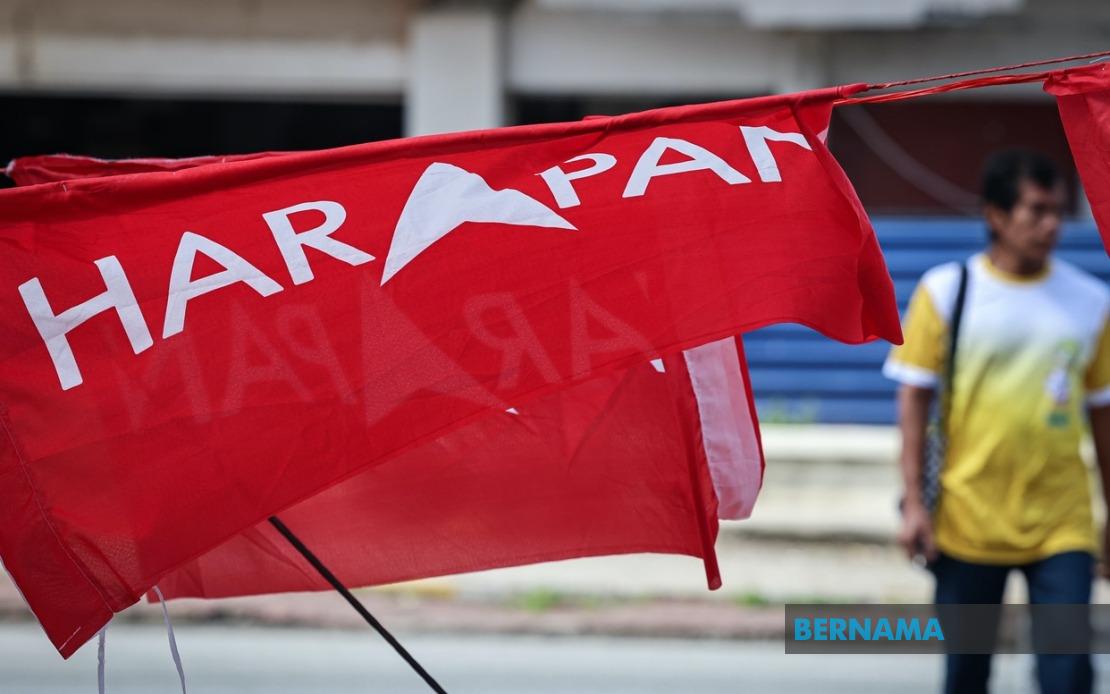
As the 16th Johor state election approaches its final stretch with just five days until polling on July 11, Pakatan Harapan candidates are executing a comprehensive two-pronged strategy designed to saturate multiple voter touchpoints simultaneously. The party's approach recognises that modern electoral campaigns demand presence across both traditional community spaces and digital platforms, reflecting the diverse ways contemporary Malaysian voters consume political information and evaluate their choices.
The hybrid methodology being deployed throughout the state represents a deliberate attempt to overcome the inherent limitations of relying on any single campaign channel. By coupling time-tested face-to-face community engagement with sophisticated social media operations, PH candidates are seeking to penetrate both the established network of party faithful and younger, digitally-native voter demographics. This stratification of approach acknowledges that different voter cohorts respond to different stimuli—some remain influenced by direct personal appeals and local assemblyman visibility, while others gravitate toward candidates who demonstrate digital fluency and cultural awareness through platforms they naturally inhabit.
At the grassroots level, the campaign machinery centres on traditional assemblyman visibility and community gatherings, bolstered significantly by visits from senior party leadership. The presence of Penang Chief Minister Chow Kon Yeow accompanying Simpang Jeram incumbent Nazri Abdul Rahman during community rounds exemplifies this strategy, as high-profile figures serve to elevate local campaigns and reinforce messaging through established media coverage. Such high-level engagement signals party commitment to individual constituencies and generates momentum among ground organisers who benefit from direct interaction with national leadership.
Simultaneously, the digital dimension has evolved beyond conventional Facebook presence or static website content. Social media platforms are being systematically transformed into what operatives describe as virtual campaign rooms, fundamentally altering the velocity and interactivity of political communication. Rather than broadcasting manifesto points through one-way channels, candidates are creating spaces for immediate dialogue, enabling voters to pose questions directly and receive responses in real time. This shift compresses the feedback loop and creates an impression of accessibility that traditional campaigning struggled to achieve.
The TikTok platform has emerged as an unexpectedly potent medium within this digital ecosystem, particularly for candidates willing to adopt a conversational rather than statesmanlike tone. Tiram candidate Nor Zulaila Abd Ghani has captured notable traction through content that prioritises relatability over formality, generating positive user responses that identify her as someone genuinely connected to constituent concerns. This approach taps into the platform's cultural logic, where audiences reward authenticity and casual competence over polished artificiality, fundamentally inverting traditional political communication hierarchies.
Other candidates have tailored their digital presence to different platforms and voter behaviours. Puteri Wangsa's Dr Maszlee Malik operates a dedicated WhatsApp Channel branded as 'Gerak Sama Dr Maszlee Malik', leveraging the messaging platform's intimacy and ubiquity among Malaysian smartphone users to provide direct updates and collect voter feedback through a communication tool already integrated into daily life. This approach transforms a simple messaging platform into a campaign infrastructure, reducing friction between candidate and constituent.
Machap candidate Nor Hafiz Roslan has anchored his digital presence around Facebook, using the platform to construct and reinforce a professional identity as a lawyer and community activist. This strategic identity positioning allows voters to contextualise his candidacy within a coherent professional framework, building confidence through demonstrated expertise and historical community involvement. The platform choice itself reflects an understanding that Facebook continues to dominate among certain demographic segments, particularly older voters whose support remains electorally decisive.
Innovation in campaign logistics is also underway, with Tanjung Surat candidate Faizul Abdul Ghani implementing a mobile outreach programme called 'Jelajah Trak Harapan' that prioritises geographical reach and flexibility over fixed-location events. This approach addresses the practical challenge of covering dispersed communities efficiently, allowing campaign resources to concentrate on areas with variable voter density and reducing scheduling friction that fixed-venue events inevitably create.
The integration of these diverse campaign methodologies reflects an implicit recognition that the Johor electorate is neither monolithic nor consistently reachable through conventional means. Younger urban voters responsive to TikTok content require entirely different engagement strategies than rural voters who prioritise direct candidate interaction and visible party investment in local infrastructure. The hybrid approach permits simultaneous targeting of these varied constituencies without requiring candidates to compromise their authenticity or strategic consistency.
The Election Commission's schedule—with early voting on July 7 for security forces and general polling on July 11—provides no extended final campaign period, placing pressure on candidates to compress their outreach activities and maximise every remaining platform interaction. The five-day final sprint therefore represents a critical consolidation period where campaign momentum accumulated across preceding weeks must be leveraged into actual electoral behaviour.
For Malaysian observers of contemporary political campaigns, the Johor election illustrates broader strategic evolution in how opposition parties attempt to challenge incumbent structures. Rather than accepting the incumbent's structural advantages in traditional media access and administrative resources, newer campaign approaches deliberately exploit the distributed, democratised nature of digital communication platforms where grassroots creativity and authentic engagement can occasionally outweigh institutional resources. Whether this hybrid strategy translates into electoral gains will depend partly on execution competence and partly on whether Malaysian voters remain responsive to the particular campaign innovations being implemented.

