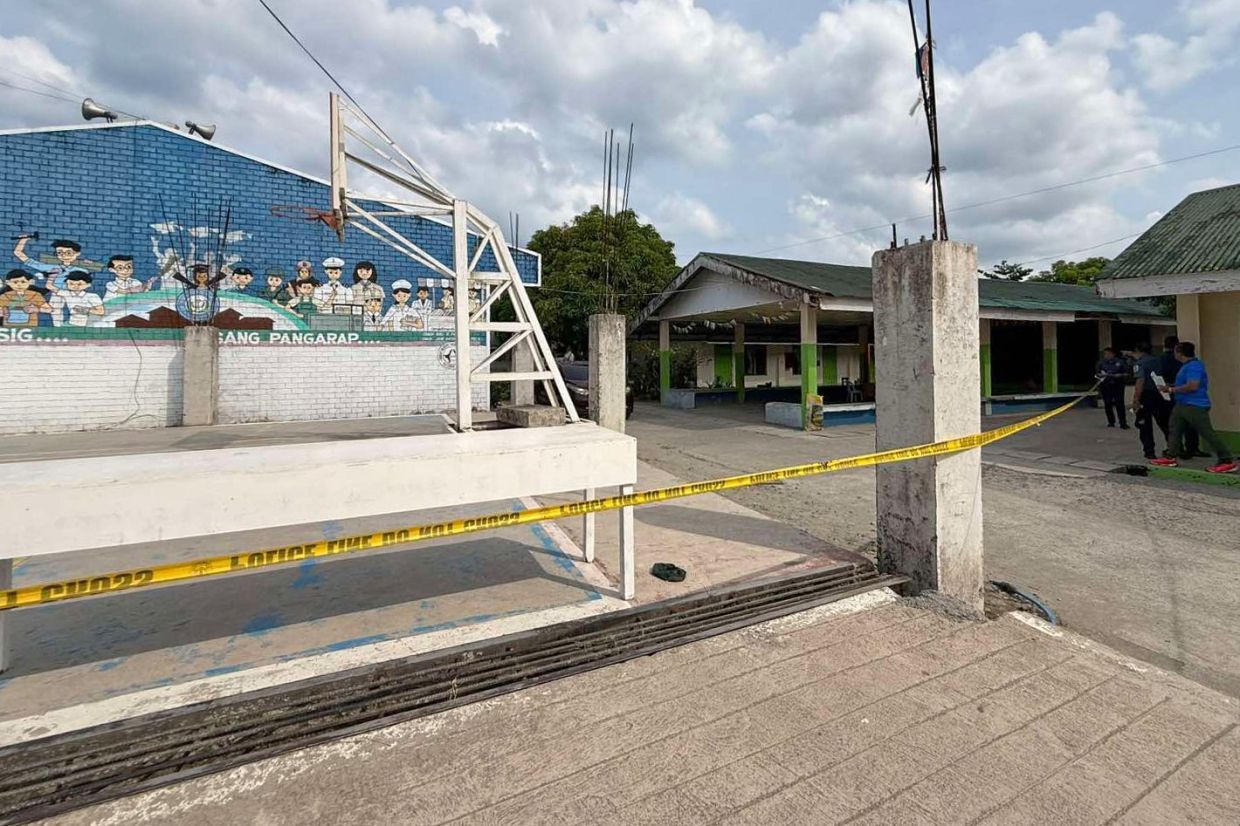
A 14-year-old female student from Tolosa National High School in Leyte has been taken into custody by Philippine authorities following alarming social media posts threatening violence at the school, Interior Secretary Jonvic Remulla announced at a press briefing at Camp Crame on Thursday. The incident represents the latest in a disturbing wave of school-related threats that have gripped the Philippines in recent days, occurring in the aftermath of last Monday's deadly shooting at San Jose National High School in Tacloban City.
The Grade 10 student's threatening posts, discovered through a tip provided by Senator Bam Aquino, explicitly warned fellow students at Tolosa to prepare themselves for potential harm. In the messages, she declared "I will disrupt the school" and continued with the chilling warning: "You won't know me, but you will recognise me. There is no time nor day. Be prepared for whoever gets shot or stabbed." The explicit nature of these threats, combined with their specific targeting of the school community, immediately flagged the posts as a serious security concern requiring rapid police response.
According to Secretary Remulla's account, investigators from the Philippine National Police Criminal Investigation and Detection Group successfully traced the posts to the minor through methodical social media analysis and corroborating information provided by concerned citizens within the school community. Significantly, authorities discovered that she had created multiple Facebook accounts to amplify the reach of her threatening messages, suggesting a deliberate effort to ensure maximum visibility among her intended audience. However, once police made contact with the student, the accounts and their associated posts were promptly deleted, complicating the investigation's documentation phase.
The detention process encountered obstacles when authorities attempted to gather further information. The minor reportedly displayed reluctance and resistance during questioning, apparently fearful of potential consequences. Her parents proved equally uncooperative when approached by officers from the Tolosa Municipal Police Station, declining to provide meaningful details about their daughter's motivations or circumstances. This familial resistance to cooperation reflects broader concerns about how such incidents are handled within household contexts and the complex dynamics surrounding juvenile delinquency in the Philippines.
Ultimately, the criminal justice system's protective mechanisms for minors determined the outcome. Under Republic Act No. 9344, the Juvenile Justice and Welfare Act, the student could not be formally charged with any criminal offence. Consequently, the PNP transferred her to the Department of Social Welfare and Development, which subsequently released her back into the custody of her parents, effectively closing the formal law enforcement phase of the matter.
During his investigation, Secretary Remulla identified "personal and family issues" as probable contributing factors to the student's threatening behaviour, though he did not elaborate on the specific nature of these difficulties. This assessment proved crucial in framing the threat as primarily a manifestation of individual distress rather than evidence of a coordinated plot or wider conspiracy. After family engagement and counselling, authorities concluded that the threat had been "neutralised and rendered inactive," with investigators finding no evidence suggesting the minor was part of an organised plan involving other individuals or external actors.
Crucially, investigators confirmed that neither the student nor any member of her family possessed access to firearms or other weapons that could have transformed her digital threats into physical violence. This finding substantially reduced the immediate danger posed, though it did not diminish concern about her disturbing mindset and the troubling pattern of escalating school threats across the region.
A particularly unsettling connection has emerged between this case and the Tacloban shooting: both the perpetrators of the San Jose National High School attack and the Tolosa student were identified as enthusiasts of GoreBox, a violent video game featuring graphic content. The two shooters, aged 14 and 15, killed three students and wounded at least twenty others in Monday's rampage. This common gaming interest has prompted authorities to scrutinise the potential role of such media in radicalising vulnerable youth, leading the Cybercrime Investigation and Coordinating Centre to temporarily ban GoreBox following the Tacloban incident.
The sequence of events in Leyte illustrates how a single violent incident can trigger copycat threats across a region, particularly among adolescents already experiencing psychological distress or harbouring grievances. The rapidity with which the Tolosa threat emerged mere days after the Tacloban shooting demonstrates the contagion effect of school violence in the social media age. Secretary Remulla's statement that the minor "was possibly influenced by the recent shooting" acknowledges this reality, though it also raises difficult questions about prevention strategies for future incidents.
The case underscores persistent challenges facing Philippine law enforcement in addressing juvenile delinquency and school safety. While the swift police response prevented an immediate crisis, the inability to formally charge the perpetrator under existing juvenile justice laws leaves questions about rehabilitation and monitoring mechanisms. Additionally, the parental non-cooperation evident in this case highlights family-level barriers to effective intervention, a factor that policy-makers will need to address when developing comprehensive school safety protocols.

