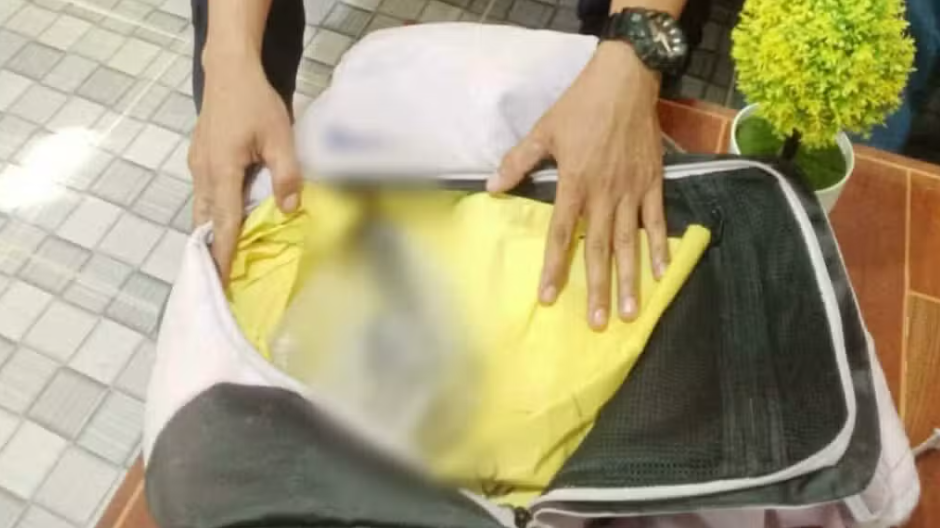
A surprise inspection of student belongings at a school in Pinamungajan, Cebu has led to the confiscation of a loaded firearm and placed fresh scrutiny on school safety protocols across the Philippine region. The discovery occurred on Thursday afternoon when a teacher conducting routine checks of students' bags found a .357 Smith & Wesson Magnum revolver tucked inside the baggage of a 14-year-old pupil at approximately 3:50pm. The weapon contained no ammunition at the time of discovery, yet the incident has underscored the vulnerability of educational facilities to weapons smuggling by minors, even in supposedly controlled environments.
School administrators wasted little time in notifying local law enforcement following the discovery, with police officers stationed at the campus quickly securing and documenting the firearm for formal processing. The investigation that followed revealed that the revolver originally belonged to the teenager's grandfather and had been stored inside a cabinet at the family residence in the municipality. According to police statements, the minor removed the weapon from the cabinet and transported it to school on the same day of discovery. The ease with which the student accessed an unsecured firearm highlights persistent gaps in household weapon storage practices, particularly in homes where young people reside without constant parental supervision.
Circumstances surrounding the minor's home environment add a layer of complexity to the incident. Police noted that both of the student's parents work outside the municipality, meaning the teenager was primarily under the care of his grandparents during the school week. This arrangement, while common in many Philippine communities, left the child in a household where access to stored firearms remained inadequately restricted. The grandfather's decision to keep the revolver in an easily accessible cabinet rather than in a secure lockbox or safe demonstrates the gap between legal requirements for firearm storage and actual practice among many weapon owners, particularly older individuals who may not prioritise securing their arms against curious adolescents.
Following protocols established for cases involving minors, the 14-year-old was transferred to the Municipal Social Welfare and Development Office pending the arrival of his parents or guardians. This institutional response reflects the Philippine justice system's recognition that children who commit weapons offences often require intervention and rehabilitation rather than punitive adult criminal proceedings. The MSWD Office, working in coordination with the student's family, will develop an appropriate intervention strategy whilst the formal investigation continues. As of Friday, police had not yet released information regarding potential charges or the timeline for case resolution.
The incident emerges against a backdrop of heightened tension regarding school safety across Cebu following a tragic mass shooting at a senior high school in Zamboanga that resulted in two fatalities. That tragedy prompted Cebu Governor Pamela Baricuatro to issue directives aimed at bolstering security protocols throughout the province's educational system, signalling that authorities view schools as priority targets requiring enhanced protective measures. The governor instructed the provincial police director and municipal police chiefs to implement comprehensive security enhancements across both public and private institutions, moving beyond reactive responses to establish preventive frameworks.
In direct response to the gubernatorial directive, Cebu Police Provincial Office Provincial Director Police Colonel Abubakar Udang Mangelen Jr initiated a one-police-to-school deployment scheme, stationing dedicated law enforcement personnel at educational facilities through coordinated arrangements with local government units and school administrators. This approach mirrors international best practices where designated school resource officers maintain constant presence on campus, enabling rapid response to security threats whilst building relationships with students and staff. The programme represents a significant commitment of police resources to institutional security, though it also raises questions about the appropriate militarisation of educational environments and its psychological impact on student populations.
The broader security framework now encompasses regular surprise inspections similar to the one that led to this discovery, creating an environment where students understand that bag checks and security screenings form routine school procedures. Teachers and administrative staff have been trained to execute these inspections as standard precautionary measures rather than responses to specific threats. This normalisation of security protocols aims to create a culture where safety consciousness becomes embedded in daily school operations, though some educators and parents have expressed concerns about whether such measures inadvertently create anxiety among young people.
Law enforcement has simultaneously intensified public messaging directed at firearm owners, emphasising their legal and moral obligations to secure weapons properly, particularly in households containing children or teenagers. Police communications stress that accessible firearms represent not only legal liability for owners but tangible threats to family members, schoolmates, and the broader community. The messaging acknowledges that many weapon owners regard their firearms primarily as personal protection tools and may underestimate the risks posed by inadequate storage, especially when younger family members possess the physical ability to access restricted areas.
The incident carries implications extending beyond Cebu's borders, as Philippine schools across the archipelago grapple with evolving security challenges in an era when school shootings have become distressingly common globally. Southeast Asian educational administrators increasingly confront the question of how to maintain welcoming learning environments whilst implementing protective measures that reflect contemporary threats. Malaysia and other regional nations closely monitor developments in Philippine school safety protocols, recognising that institutional approaches and policy innovations tested in one jurisdiction often influence practices throughout the region.
Moving forward, authorities in Cebu will likely emphasise community engagement alongside enforcement mechanisms, recognising that sustainable improvements in school safety require cooperation from firearm owners, parents, educators, and students themselves. The integration of social welfare approaches with police-led security measures suggests recognition that juvenile involvement in weapons incidents typically reflects systemic vulnerabilities—inadequate supervision, insufficient education regarding firearm dangers, or curiosity driven by exposure to entertainment media—rather than premeditated criminal intent. Success in preventing similar incidents will ultimately depend on sustained commitment to reinforcing secure storage practices whilst building youth awareness about the severe consequences of bringing weapons to school.

