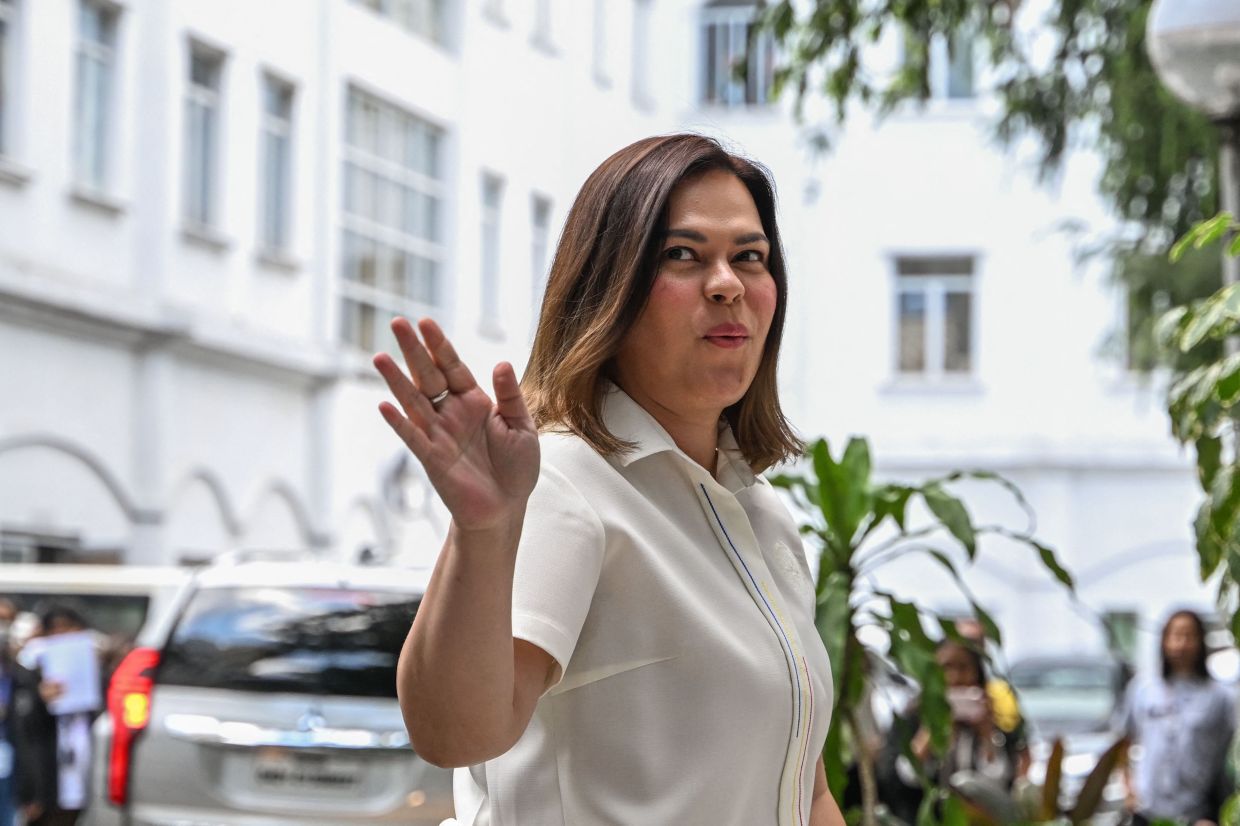
Vice President Sara Duterte remains outside the Philippines as her impeachment trial continues, having secured presidential approval for an extended overseas journey through the end of July. The Malacanang Palace confirmed the trip this week through press officer Claire Castro, who revealed that President Ferdinand Marcos Jr sanctioned the travel plans through the Office of the Executive Secretary. The Vice President's itinerary encompasses a series of European destinations alongside Qatar, creating an unusual backdrop against the mounting political pressures she faces at home.
The approved expedition runs from July 16 through 31, taking Duterte across four European countries in what officials characterised as a "personal trip." Her route includes stops in Qatar, Germany, the United Kingdom, Northern Ireland, and the Netherlands. The timing of the journey, occurring while formal impeachment proceedings unfold in Manila, has raised questions about the political dynamics at play within the executive branch and between the sitting President and Vice President—two figures who have experienced considerable friction in recent months.
Duterte is currently stationed in The Hague, the Dutch capital that hosts international legal institutions. Her presence there is intimately connected to family circumstances of profound significance. Her father, former President Rodrigo Duterte, has been held in detention at a facility in the Netherlands since March of the previous year while he awaits trial before the International Criminal Court. The scheduled trial date stands at November 30, positioning the proceedings several months ahead. This family situation provides crucial context for understanding why the Vice President has chosen to spend time in The Hague specifically, suggesting that visiting her incarcerated father remains a central purpose of her travels.
The former president faces grave charges before the international tribunal. He is accused of crimes against humanity, with prosecutors arguing that he bears indirect responsibility as a co-perpetrator in a widespread pattern of extrajudicial killings. These alleged killings occurred over nearly a decade, spanning from 2011 through 2019, covering his tenure as Davao City mayor and extending through his six-year presidency. The charges relate specifically to the government's controversial anti-drug campaign, which claimed thousands of lives under circumstances that human rights organisations have extensively documented and criticised. The arrest of a sitting or former president by an international court represents an exceptionally rare and politically significant event in Asian governance.
The arrest itself occurred in March 2025, when Philippine authorities apprehended Rodrigo Duterte pursuant to an International Criminal Court arrest warrant. The circumstances of his detention reflect the complex intersection between Philippine domestic law and international justice mechanisms. His transfer to The Hague and ongoing detention represent a striking development in Philippine politics, carrying implications that extend well beyond his individual case to encompass questions about national sovereignty, judicial accountability, and the reach of international criminal law into Southeast Asian governance.
The Vice President's defence team has provided limited information about her current situation and timeline. During proceedings related to her impeachment case, defence spokesperson lawyer Michael Poa acknowledged her location in The Hague while offering assurances of her imminent return. His statement—"As far as I know, she is in the Hague. But she'll be back soon"—indicates that her legal team expects her to resume her domestic role shortly after the approved travel period concludes. This brief confirmation avoided elaborate discussion of her movements or the reasons behind them, suggesting a deliberate strategy to minimise attention to the matter.
The impeachment trial itself constitutes a separate and significant political development that provides important context for evaluating her absence. The proceedings represent a formal constitutional challenge to her tenure as Vice President, advancing through formal stages even as the accused travels internationally. The continuation of the trial during her overseas absence raises procedural and political questions about how her legal representation manages the case and what strategic implications her departure carries. The separation of the sitting President from his Vice President—evidenced partly by their respective positions in this dispute—reflects deeper tensions within the executive branch.
For Malaysian observers and Southeast Asian audiences more broadly, this situation illuminates several dimensions of contemporary Philippine politics that carry regional relevance. The case demonstrates how international criminal justice mechanisms are intersecting with domestic political disputes, creating unprecedented scenarios where former national leaders face prosecution abroad. It also underscores the continued personalisation of Philippine politics around family networks and dynastic considerations, a characteristic pattern that shapes governance throughout the archipelago and across the wider region.
The approval of Duterte's travel by President Marcos also warrants examination. Granting the impeached Vice President freedom to travel internationally, particularly to visit a detained father facing international criminal charges, reflects either an administration confident in its legal position or one operating under constraints that limit its ability to restrict her movement. The decision illustrates the complicated institutional dynamics at play, where constitutional offices retain significant autonomy even amid serious political contestation. Her return date of July 31 positions the conclusion of her approved absence immediately before the acceleration of August activities, suggesting she will resume full engagement in domestic proceedings within a matter of days.

