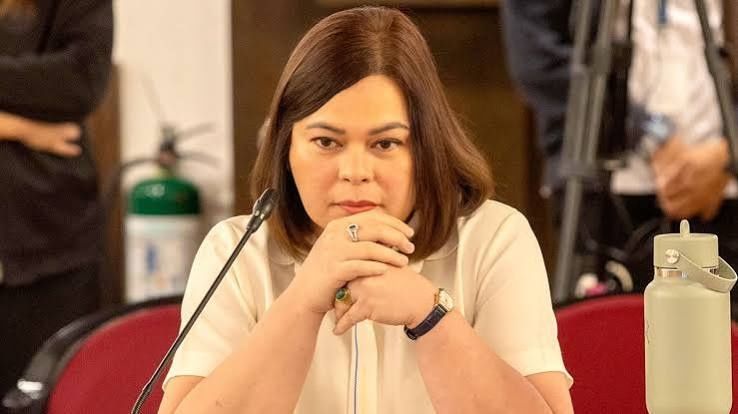
The Philippines is gearing up for one of its most significant political proceedings in recent years as the impeachment trial of Vice President Sara Duterte commences this week, with authorities implementing sweeping security arrangements across the capital. The Philippine National Police announced plans to station approximately 6,000 officers throughout Manila's Senate district and its environs, underscoring the gravity and potential volatility of the occasion. This substantial deployment reflects official concerns about maintaining order during what is expected to be a nationally watched and emotionally charged legal process that could fundamentally alter the political landscape.
The trial will unfold in the Senate impeachment court, which on Thursday formally summoned the vice president to make an appearance, granting her the option to attend proceedings in person or to be represented by legal counsel. This directive sets the stage for what promises to be a protracted and contentious examination of the charges levelled against her. The specific grounds for the impeachment remain a focal point of intense scrutiny among political observers and the broader Philippine public, many of whom view the proceedings through competing partisan lenses.
Logistical preparations are well underway in Pasay City, the Metro Manila municipality where the Senate complex sits, with municipal authorities announcing that multiple roads surrounding the legislative precinct will experience temporary closures beginning Monday. These traffic diversions aim to facilitate the movement of security personnel, prevent unauthorised access, and create protected corridors for the vice president, senators, witnesses, and media representatives who will be descending on the venue. The restricted movement signals the unprecedented level of operational complexity anticipated for these hearings.
Vice President Duterte, who is the daughter of former President Rodrigo Duterte who served from 2016 to 2022, carries significant political weight and considerable support among certain constituencies. Her political prominence stems not only from her family lineage but also from her tenure as mayor of Davao City, where she cultivated a strong political machine. The impeachment process unfolds against the backdrop of her public declaration in February this year of her intention to pursue the 2028 presidential election, a move that some analysts view as intertwined with the timing and intensity of the proceedings against her.
The mechanics of Philippine impeachment law are crucial to understanding what lies ahead. Under the constitutional framework, conviction in an impeachment trial requires a supermajority vote—specifically, more than two-thirds of all senators must vote in favour of removal. Should the vice president be convicted through this process, the consequences are severe and permanent: immediate removal from office combined with a lifetime ban from holding any public office in the future. This all-or-nothing outcome makes every senatorial vote potentially decisive and transforms the trial into a high-stakes political calculation for each legislator.
In parallel developments that underscore the complex interplay of institutional processes, the Office of the Vice President on Thursday disclosed receipt of an unmodified audit opinion from the Commission on Audit regarding the 2025 financial year. The COA's assessment concluded that the OVP's financial statements were presented fairly and in compliance with applicable accounting standards and reporting requirements. While this clean audit report might ordinarily be viewed positively, officials were careful to separate this auditing outcome from the impeachment proceedings, acknowledging that the two processes operate within distinct legal and institutional frameworks.
For Malaysian observers and broader Southeast Asian political watchers, the Duterte impeachment carries regional significance. The Philippines' handling of its constitutional crisis offers insights into how major Southeast Asian democracies manage executive accountability and the tensions between political competition and institutional legitimacy. The involvement of a former president's family in such proceedings also reflects patterns of political dynasticism that characterise much of the region, where family-based political networks often dominate competition for power across multiple election cycles.
The security deployment represents more than mere precaution. It reflects institutional anxiety about the potential for mass mobilisation either supporting or opposing the vice president. The Duterte political network maintains deep organisational roots, particularly in Mindanao, and sentiment in support of the former president and his daughter runs strong in certain regions. Conversely, civil society groups and political opponents view the proceedings as an opportunity to hold the Duterte family accountable for alleged actions during the previous administration. These competing narratives create genuine risk of confrontation between organised groups.
The coming weeks will test the resilience of Philippine democratic institutions and the Senate's capacity to conduct a politically charged trial while maintaining public confidence in the process. Every procedural decision, each ruling on admissible evidence, and ultimately the voting patterns of individual senators will be scrutinised for signs of political bias or institutional integrity. The trial will also likely expose deeper fault lines within Philippine politics regarding the balance between executive authority and legislative oversight, questions about the appropriate use of impeachment as a political tool, and enduring tensions around accountability for actions taken during the Duterte presidency.

