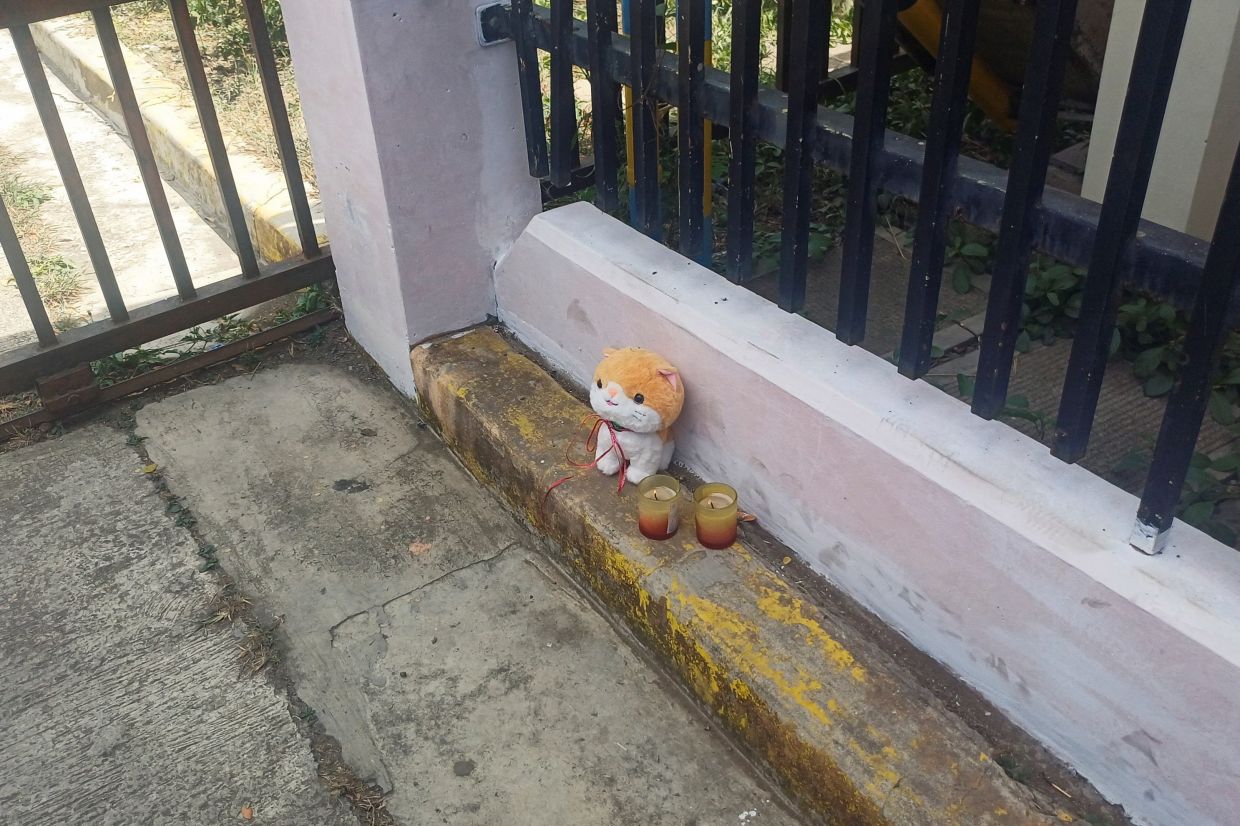
A fatal shooting at a school in Zamboanga City has thrust Philippine policymakers into a contentious debate over social media regulation and gun safety, with the incident marking the second major school attack in less than two months. The student attacker, a Grade 8 pupil, livestreamed the assault using a body-worn camera before fatally shooting himself on the fifth floor of Ateneo de Zamboanga University. Two other students were killed or wounded in the incident on August 18, prompting fresh scrutiny of how schools and communities can detect and prevent such violence before it occurs.
What deepens the tragedy and complicates the investigation is that the shooter appeared to give no outward indication of distress to those around him. Education Secretary Sonny Angara underscored this paradox when visiting the campus, noting that the student maintained strong academic performance and was never flagged by teachers as a potential threat. This observation highlights a critical gap in school safety frameworks across the Philippines and much of Southeast Asia, where traditional monitoring mechanisms often fail to capture students experiencing severe psychological crises. The disconnect between academic success and violent ideation has become a recurring pattern in school shootings globally, challenging the assumption that observable behavioural problems precede attacks.
Authorities are still piecing together the sequence of events that led to the shooting, including determining the student's motive and how he obtained access to his father's firearms, notably a 0.40-caliber pistol registered to the Bureau of Customs. This investigative work underscores a fundamental vulnerability in the Philippines' firearm regulation system, where licensed weapon owners may not adequately secure their guns against unauthorised access by family members, particularly minors. The ease with which a young person could appropriate an official firearm raises serious questions about compliance with storage requirements and the enforcement mechanisms available to authorities responsible for monitoring licensed gun owners.
Education Secretary Angara emphasised that physical security measures alone cannot address the root causes of school violence. While fences, closed-circuit television systems, and metal detectors provide visible deterrents, he argued that the most critical intervention involves proactive community engagement and mental health support within educational institutions. This perspective reflects a growing international consensus that purely hardware-focused approaches to school safety, though necessary, do not substitute for sustained efforts to identify struggling students and connect them with counselling services. Malaysian educators and administrators should note this lesson as Southeast Asian countries generally lag in embedding comprehensive mental health services within school systems.
The livestreaming of the attack has prompted Senate President Sherwin Gatchalian to accelerate calls for legislation prohibiting children under 16 from accessing social media platforms. His argument centres on the observation that graphic footage and images from such incidents spread rapidly across digital networks, potentially normalising violence and inspiring copycat attacks among vulnerable young people. This proposal aligns with similar initiatives in other countries and reflects concern that social media algorithms often amplify traumatic content, creating feedback loops that influence audience behaviour. For Malaysia and other regional nations considering comparable legislative measures, the Philippines experience provides a cautionary case study of how digital dissemination of violence can compound the immediate harms of school attacks.
Interior Secretary Jonvic Remulla has directed attention toward strengthening penalties for gun owners who fail to prevent minors from accessing their weapons. This policy emphasis recognises that responsibility for firearm safety extends beyond the shooter themselves to all adults who maintain access to weapons. Remulla has also flagged the need for comprehensive legislative review of laws governing loose or improperly stored firearms, suggesting that existing regulations contain enforcement gaps. For regional policymakers, the implication is clear: gun safety frameworks require not only rules governing initial licensing but also mechanisms to ensure ongoing compliance and meaningful sanctions for violations.
The rapid dissemination of conflicting reports and disturbing imagery across social media and private group chats has created significant secondary trauma among parents and school communities. Claire, a parent of a college student at a separate campus of the same institution, observed that traditional media rating systems for television and film lack equivalent safeguards in digital spaces. Her observation points to a regulatory asymmetry: traditional entertainment media faces content standards, yet social media platforms operate with minimal restrictions on graphic violent material accessible to minors. This gap represents a policy opportunity for governments willing to establish baseline standards for age-appropriate content on digital platforms, though such measures require careful calibration to avoid censorship.
The shooting represents only the latest manifestation of a troubling pattern in which the Philippines, despite having relatively low rates of gun violence compared to many nations, faces recurring school attacks. The proximity of two major incidents within two months suggests either a genuine acceleration in such events or increased media attention to a longstanding problem. Either interpretation demands comprehensive response encompassing mental health infrastructure, family intervention programs, and community vigilance. Malaysian authorities, which generally maintain stricter firearms regulations than the Philippines, can benefit from the institutional learning emerging from these incidents to ensure that enhanced security measures remain proportionate and evidence-based.
Moving forward, the challenge for Philippine policymakers lies in crafting responses that address multiple vulnerabilities simultaneously without overreacting to individual incidents. Social media regulation for minors, stricter firearm storage requirements, and investment in school-based mental health services represent complementary rather than competing policy objectives. The debate unfolding in Manila carries implications for the entire region as Southeast Asian governments confront the difficult question of how to maintain open digital societies and recreational access to firearms while protecting young people from preventable harms. The Philippines' experience demonstrates that school safety requires sustained commitment across multiple institutional domains rather than episodic legislative responses triggered by tragedy.

