The Philippines will convene a carefully calibrated diplomatic encounter between Myanmar and ASEAN's foreign ministers in Bangkok on Sunday, July 12, according to the Department of Foreign Affairs. The gathering represents a significant moment for regional diplomacy, as it will mark the first face-to-face engagement between the bloc's top diplomats and Myanmar since the military seized power in February 2021. U Tin Maung Swe, Myanmar's foreign minister, is expected to represent the junta government at the talks, which underscore ASEAN's ongoing efforts to maintain dialogue channels despite the profound political turbulence in one of its core member states.
As the current ASEAN chair, the Philippines has positioned itself as a custodian of the bloc's foundational principle that member states remain integral to the organization regardless of internal instability. The DFA emphasized that this informal consultation reflects ASEAN's commitment to keeping Myanmar engaged rather than isolated, a diplomatic posture that distinguishes Southeast Asia's approach from Western nations that have largely frozen relations with the military regime. This philosophy stems from ASEAN's adherence to non-interference in member affairs, though the Myanmar crisis has tested that doctrine severely over the past three years.
The agenda for the Bangkok meeting will center on U Tin Maung Swe providing updates on the evolving situation within Myanmar, where fighting between junta forces and anti-coup resistance groups has killed tens of thousands and displaced millions. ASEAN foreign ministers plan to present their collective assessment of Myanmar's trajectory and will seek clarification on the regime's intentions regarding key diplomatic commitments the bloc has brokered. This briefing format allows ASEAN to maintain engagement while indirectly signaling its expectations for concrete improvements on the ground, a delicate balance the Philippines must navigate as chair.
The talks will specifically address Myanmar's progress—or lack thereof—in fulfilling the Five-Point Consensus, the framework adopted by ASEAN leaders at their November 2021 summit. This roadmap calls for an immediate cessation of violence, constructive dialogue between Myanmar's military rulers and opposition figures, humanitarian assistance provision, and the eventual appointment of an ASEAN special envoy. For nearly three years, Myanmar has made minimal headway on these fronts, with fighting intensifying rather than abating and dialogue opportunities evaporating as the junta consolidates power. ASEAN ministers will need to convey serious concern about these gaps while maintaining the diplomatic courtesy necessary to keep the door open.
The informal nature of the gathering carries strategic significance for the Philippines and ASEAN more broadly. Informal meetings allow flexibility in tone and permit candid exchanges without the rigid protocols that formal settings impose. This format gives ASEAN cover to express firm views on Myanmar's direction without triggering the kind of public confrontation that would push the junta further toward isolation or alignment with Beijing. For Myanmar, the opportunity to present its perspective directly to fellow ASEAN foreign ministers—rather than through subordinate officials or written submissions—suggests the regime still values regional legitimacy and seeks to shape how ASEAN interprets developments in the country.
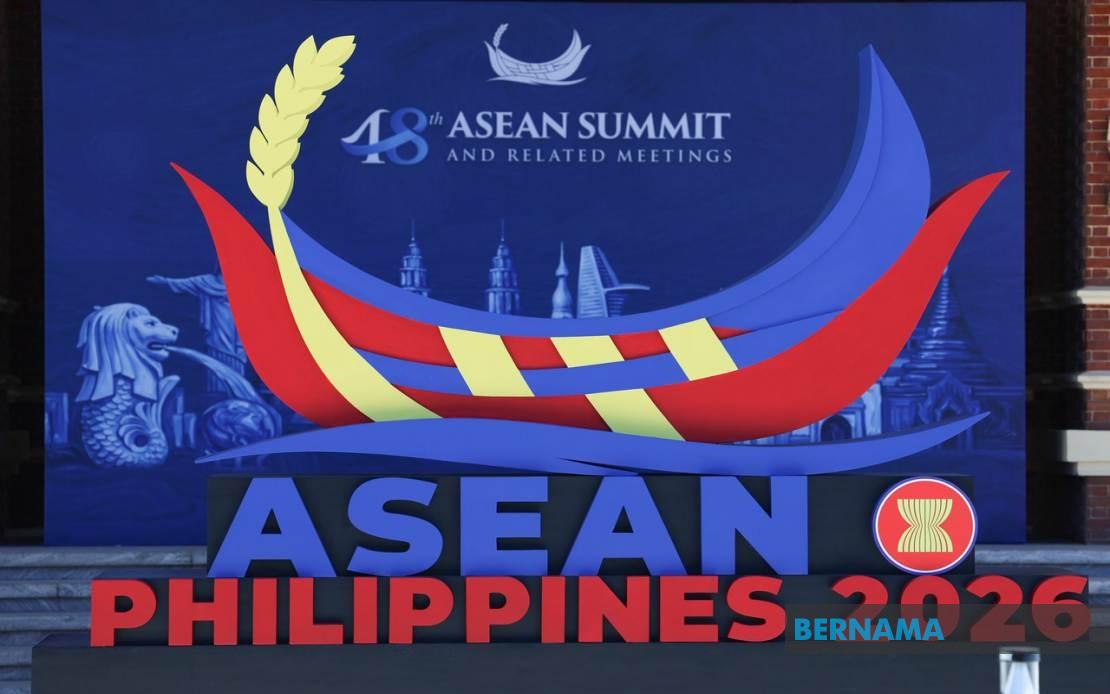
The timing of this engagement follows directives from the 48th ASEAN Summit held in Cebu, where regional leaders explicitly tasked foreign ministers with sustaining what they termed "constructive and principled engagement" with Myanmar. This language reflects an attempt to thread a needle: maintaining ties with the jurat regime while holding fast to stated principles opposing military takeovers. For Malaysia and other ASEAN members with significant concerns about Myanmar's instability, the diplomatic challenge lies in pushing for change without appearing to violate the principle of non-interference that underpins the organization's foundational architecture.
Myanmar's continued ASEAN membership despite the coup stands in sharp contrast to how the bloc has handled crises in other member states. The junta's ability to retain its seat and voting privileges reflects both ASEAN's consensus-based decision-making (requiring unanimity to suspend or expel a member) and the organization's preference for patient engagement over punitive measures. Thailand, with its own history of military interventions, has generally resisted pressure to isolate Myanmar, while Vietnam and Laos have maintained pragmatic ties with Naypyidaw. Cambodia, under Hun Sen's authoritarian government, has shown little inclination to rock the boat on Myanmar issues. This alignment has allowed Myanmar to weather international pressure that might otherwise have been more severe.
For Malaysia, this Bangkok meeting offers an opportunity to advocate for tangible progress on humanitarian grounds and civil conflict resolution without appearing to exceed ASEAN's self-imposed boundaries. Malaysian officials have previously expressed concern about the humanitarian catastrophe unfolding in Myanmar, where reports document systematic violence against civilians and widespread displacement. The foreign ministers' focus on humanitarian assistance and dialogue could signal Malaysian priorities, even as the broader diplomatic framework keeps Myanmar within ASEAN's orbit rather than pushing toward confrontation.
The meeting also reflects broader regional anxieties about Myanmar's trajectory. The ongoing instability creates refugees flowing into Thailand and Bangladesh, disrupts regional trade patterns, and provides space for non-state armed groups and potentially transnational criminal networks to operate with reduced state oversight. ASEAN members recognize that economic development, connectivity, and stability across the region require Myanmar to eventually stabilize, a goal that isolation rather than engagement would undermine. This pragmatic calculation underpins the Philippines' decision to host talks even as Myanmar's junta shows limited willingness to implement the Five-Point Consensus.
Looking forward, the informal meeting in Bangkok will likely produce a carefully worded statement emphasizing ASEAN's commitment to Myanmar while expressing hope that concrete steps will follow on violence cessation and dialogue. Whether such expressions move the needle on ground realities remains uncertain, given Myanmar's trajectory over the past three years. The Philippines faces the delicate task of demonstrating ASEAN solidarity while maintaining enough diplomatic distance that the bloc is not seen as enabling or legitimizing military rule. This Bangkok engagement, therefore, represents both continuity in ASEAN's engagement strategy and the limits of that strategy when dealing with a member state experiencing profound state collapse and civil conflict.

