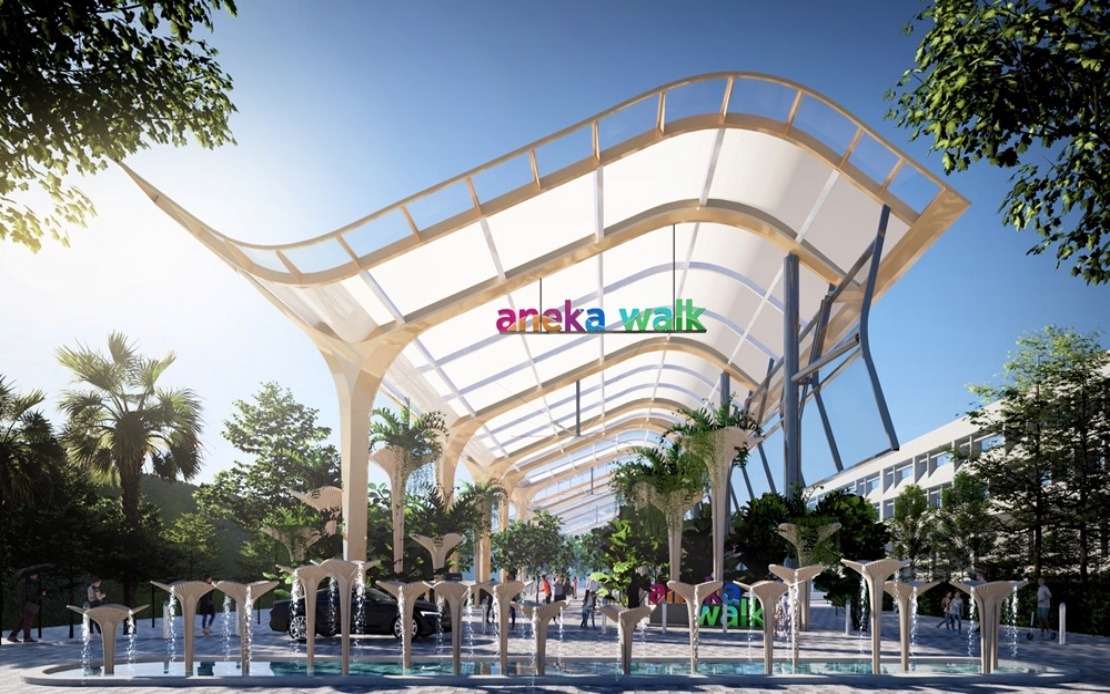
The Selangor State Development Corporation (PKNS) is preparing a major public event centred on football's biggest stage, hosting a live screening of the FIFA World Cup 2026 final at Aneka Walk in Shah Alam. The extended viewing party, officially titled PKNS Homes Final World Cup 2026 Mega Live, spans July 19 and 20, with activities beginning at 5 pm on Friday and continuing through the early morning of Saturday when the championship match airs at 3 am Malaysia time.
Planning for the event reflects PKNS's broader strategy to energise Aneka Walk as a vibrant community gathering space within the SA Sentral development initiative. The corporation expects approximately 1,000 visitors across the 12-hour window, positioning the venue as a focal point for both football enthusiasts and residents seeking weekend entertainment options. This approach represents a deliberate effort to convert commercial real estate into social hubs that generate sustained foot traffic and economic activity.
Beyond the match itself, the screening event functions as a multifaceted platform combining sports, entertainment, lifestyle, and commercial interests. The programming includes e-sports tournaments running parallel to the football broadcast, structured meet-and-greet opportunities with Selangor FC players, and interactive gaming stations designed to engage visitors of varying ages and interests. Lucky draw contests and food vendor zones round out the experiential offering, creating an environment that extends beyond passive television consumption.
The partnership with Selangor FC underscores how state-level development bodies are increasingly collaborating with professional sports entities to amplify community engagement. This alliance enables PKNS to leverage the football club's supporter base and brand recognition while providing Selangor FC with direct access to potential fans and partners. Such synergies are becoming standard practice across Malaysian property developers seeking to differentiate their assets in a competitive market.
From a commercial perspective, the event opens significant branding opportunities for corporate participants. Companies and strategic partners gain exhibition space, promotional platforms, and direct consumer interaction through booth activations and community initiatives. This revenue model allows PKNS to partially offset event costs while providing businesses with concentrated access to a captive, football-engaged demographic—particularly valuable for brands targeting the sports and lifestyle sectors.
The decision to schedule activities beginning at 5 pm acknowledges Malaysia's climate and social patterns. Extended evening and late-night programming provides relief from daytime heat while aligning with family leisure schedules and social preferences. The arrangement also differentiates the experience from typical cinema screenings, creating a festival-like atmosphere that encourages extended visits and higher spending across food and merchandise offerings.
Aneka Walk's revival as a destination reflects broader trends in regional property management, where retail and commercial developers compete increasingly on experiential offerings rather than pure convenience or product variety. By anchoring weekend programming around major sporting events, PKNS positions the mall as a lifestyle hub rather than purely transactional space. This strategy proves particularly relevant for Shah Alam, where competing shopping destinations vie for discretionary spending and leisure time.
The World Cup 2026 screening gains particular significance given Malaysia's limited hosting of global sporting events compared to regional peers. Bringing the world's most-watched sporting spectacle to a public venue democratises access to the championship match, removing barriers associated with premium cable subscriptions or restaurant reservations. For Malaysian football fans unable or unwilling to pay commercial viewing premiums, PKNS's initiative provides an alternative that combines entertainment with commercial activity and community participation.
The event also reflects evolving consumption patterns among Malaysian audiences, particularly younger demographics accustomed to shared digital experiences and social media integration. Mega viewing parties function as both entertainment and content generation opportunities, with attendees likely documenting and sharing their experiences across platforms. This organic amplification extends the event's reach and brand value far beyond the 1,000 expected in-person visitors.
From PKNS's institutional perspective, the initiative demonstrates alignment with Selangor state government priorities around economic revitalisation and quality-of-life improvements in urbanised areas. By activating public spaces and stimulating retail foot traffic during periods when commercial activity might otherwise lag, the corporation fulfils development mandates while maintaining asset value. This multi-benefit approach—combining public service, economic stimulus, and commercial viability—represents the contemporary development corporation operating model.
The timing during Malaysia's mid-year period, when many families plan domestic leisure activities, positions the screening strategically within the holiday calendar. The event provides accessible entertainment requiring no travel beyond Shah Alam, making it attractive to residents seeking low-cost weekend options with extended family and friend groups. Such accessibility considerations shape attendance projections and help explain why state development entities increasingly programme around major global events.
Investing in experiential infrastructure around international sporting occasions also signals PKNS's confidence in Aneka Walk's long-term positioning. Rather than treating the venue as residual asset space, the corporation is actively building associations with quality entertainment and community value. These intangible brand attributes accumulate over time, influencing consumer perceptions and tenant interest far more substantially than physical infrastructure alone.

