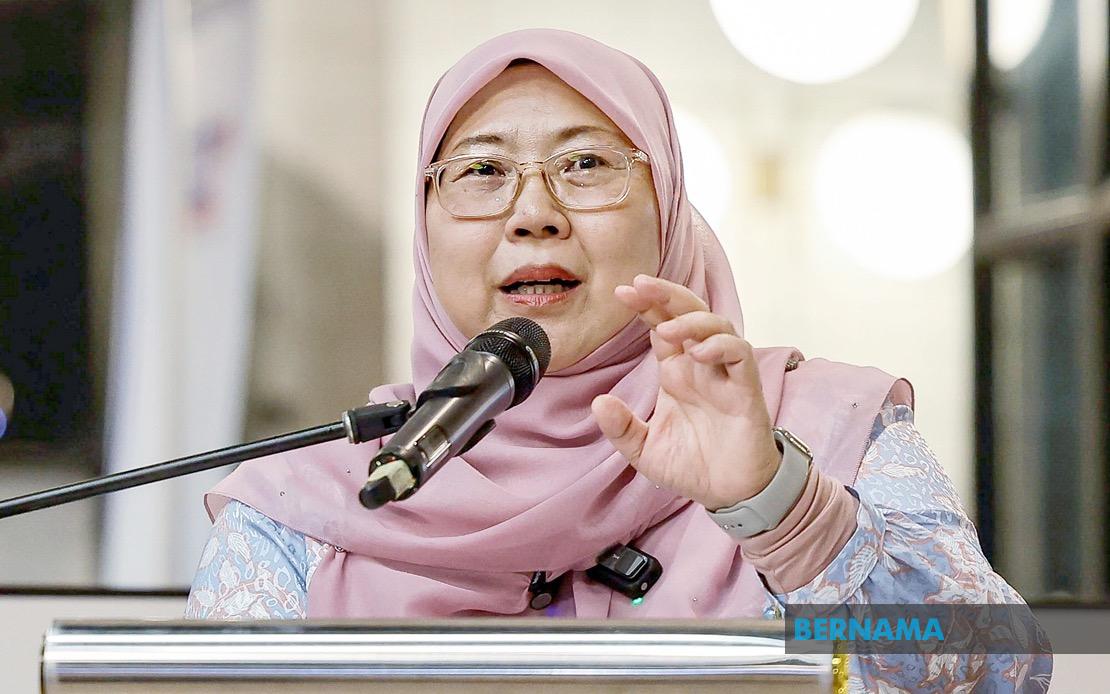
PKR and Pakatan Harapan have made clear their commitment to allowing each coalition member the freedom to chart its own political course ahead of the upcoming Negeri Sembilan state election, even as they emphasise their shared commitment to placing the rakyat's interests at the heart of all strategic decisions. The statement, delivered by PKR secretary-general Datuk Dr Fuziah Salleh in Seremban, signals a measured approach from the coalition to navigating the complexities of coalition politics during a crucial state-level contest scheduled for August 1.
The timing of this affirmation is significant given that coalition elections frequently expose tensions between partners with differing priorities and visions. In acknowledging each party's right to pursue its own strategy, PKR and Pakatan Harapan appear to be preemptively addressing potential friction that could emerge as the campaign intensifies. This pragmatic recognition reflects the maturity required of mature political coalitions that must balance unity with the legitimate organisational interests of individual member parties.
Fuziah, who holds the portfolio of Deputy Domestic Trade and Cost of Living Minister, was emphatic that such strategic autonomy must operate within clear boundaries. Any decisions taken at the state level, she stressed, must remain anchored to the welfare and aspirations of Negeri Sembilan's electorate. This framing repositions the coalition's message around the people rather than internal party mechanics, a crucial rhetorical move for maintaining public confidence amid what could otherwise appear as fractious coalition dynamics.
The PKR leader identified several key policy pillars that would continue to guide her party's campaign efforts: addressing citizens' economic hardship, tackling the cost of living crisis, ensuring balanced development across all districts, and maintaining governance standards rooted in transparency and integrity. These themes directly address concerns that have animated Malaysian politics for the past several years, positioning PKR and Pakatan Harapan as parties responsive to the material conditions affecting ordinary Malaysians' daily lives.
Fuziah's emphasis on continuing the implementation of the national development agenda speaks to the coalition's broader governance record since returning to federal power. By framing the state election as an extension of work already underway at the national level, PKR attempts to create a continuity narrative that protects the coalition from the typical mid-term political fatigue that often affects ruling coalitions. This argument—that disrupting the state-level coalition would interrupt progress—potentially resonates with voters who have already benefited from federal initiatives.
The observation that strategic diversity during state elections represents normal political practice reflects a candid acknowledgment of how coalition politics actually function in practice. Fuziah's reference to politics as "the art of the possible" suggests a worldly understanding that perfect alignment between coalition partners rarely materialises, and that some degree of tactical flexibility is both inevitable and necessary. This framing could help inoculate the coalition against criticism should disagreements become publicly visible during the campaign.
The mobilisation directive from PKR leadership calling on party machinery to remain focused, disciplined, and determined reflects awareness that campaign execution will ultimately determine electoral outcomes. Such appeals to internal discipline are standard practice, yet they carry particular weight in contexts where coalition tensions could create openings for opposition parties to exploit divisions. The emphasis on "defending the PH mandate" specifically invokes the 2018 watershed election that brought Pakatan Harapan to federal power, reminding party cadres of the significance of this particular contest for the coalition's broader political trajectory.
The Negeri Sembilan assembly dissolved on June 5, with the Election Commission subsequently scheduling early voting for July 28 and general polling for August 1. The 36-seat chamber represents a significant prize for any coalition, and control of the state government carries both symbolic and material importance for Pakatan Harapan's governance credentials. Loss of the state would represent a meaningful setback, while retention would signal continuing electoral viability despite various governance challenges the coalition has confronted at federal level.
For Malaysian observers and political analysts, Fuziah's remarks illustrate how coalition politics require constant recalibration and communication. The public acknowledgment of strategic autonomy, paired with reassertions of shared values around people-centred governance, represents the kind of careful messaging necessary to sustain multi-party coalitions through electoral cycles. Whether this balance can be maintained through August 1 will provide important signals about the durability of the Pakatan Harapan coalition more broadly, particularly as it faces the electoral challenges of mid-term governance and positions itself for the crucial general election that must occur by mid-2025.
The Negeri Sembilan contest thus transcends its status as a merely state-level affair, functioning instead as a barometer of Pakatan Harapan's continuing capacity to mobilise voters and manage internal coalition dynamics under electoral pressure. The coming weeks will test whether the coalition's stated respect for party autonomy can accommodate the inevitable campaign disagreements and competing interests that emerge when votes are at stake.

