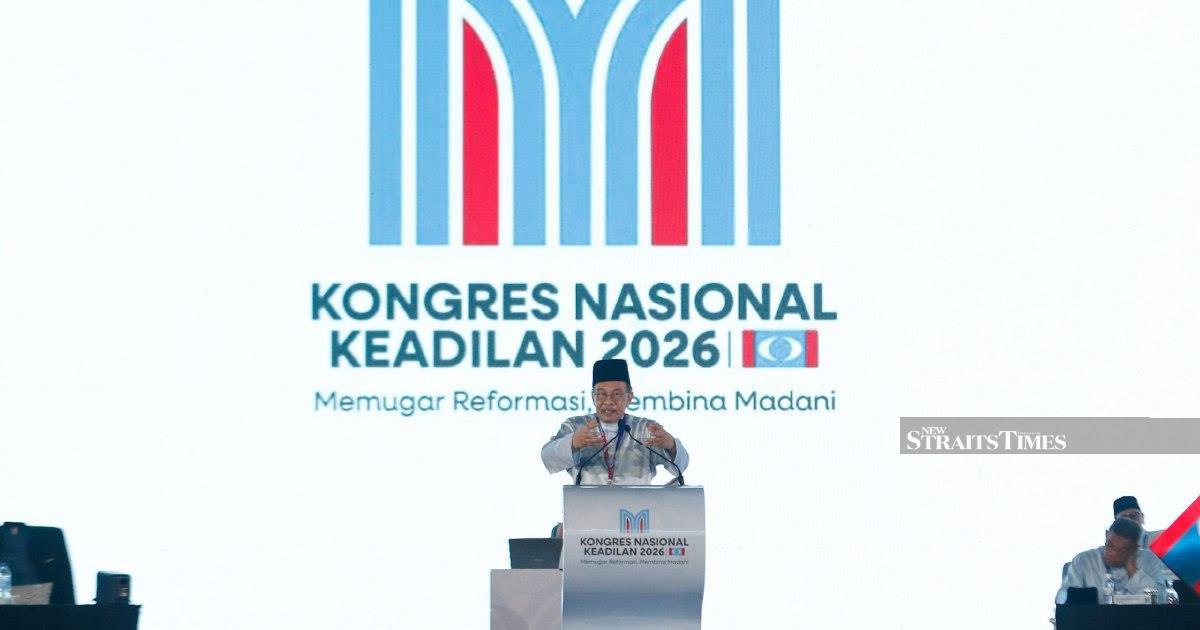
PKR president Datuk Seri Anwar Ibrahim has acknowledged that embezzlement took place within Tabung Haji, drawing on conclusions presented in the Royal Commission of Inquiry conducted into the troubled Islamic pilgrimage fund. The admission came during remarks at the PKR Congress gathering in Ayer Keroh, marking an explicit statement from the premier regarding financial misconduct at the institution that manages savings for Malaysian Muslims preparing for the hajj pilgrimage.
The Royal Commission of Inquiry into Tabung Haji has emerged as a significant accountability mechanism following years of public concern about the fund's financial health and governance. The investigation has produced detailed findings on how institutional resources were misused, contributing to broader discussions about administrative oversight and transparency within government-linked entities that handle public money. Anwar's public reference to the RCI outcomes underscores the political importance attached to addressing such breaches within Malaysia's Islamic finance sector, which operates under heightened scrutiny given its role in managing savings of hundreds of thousands of contributors.
Tabung Haji has long faced scrutiny over its management practices and financial performance. The fund, established to assist Malaysian Muslims in saving for the pilgrimage to Mecca, operates as a specialized financial institution with particular governance responsibilities. Over the years, various stakeholders have raised concerns about investment strategies, fee structures, and administrative efficiency. The RCI's detailed examination of operations has provided official documentation of specific instances where institutional funds were compromised, lending credibility to long-standing complaints from account holders and observers who questioned how the organization stewarded public trust.
The acknowledgement by Anwar carries weight beyond the immediate institutional context. As prime minister, his explicit confirmation of embezzlement validates the investigative work undertaken by the commission and signals governmental commitment to addressing financial irregularities within statutory bodies. This stance aligns with broader reform narratives that his administration has pursued regarding transparency and accountability in public institutions. For contributors to Tabung Haji, whose life savings are invested in the fund, such admission represents official recognition that their concerns about management integrity were grounded in documented reality.
The RCI's investigative mandate was to examine the fund's operations comprehensively, identify governance failures, and determine how financial losses occurred. Such commissions typically involve forensic financial analysis, witness testimony, and institutional record review. The findings would have traced specific transactions, identified responsible parties, and quantified the extent of improper fund use. The detailed nature of RCI conclusions provides a factual foundation for policy responses and potential enforcement actions, distinguishing these findings from mere allegations or speculation.
From a regional perspective, the Tabung Haji situation reflects broader governance challenges affecting Islamic financial institutions across Southeast Asia. Malaysia's case demonstrates both the vulnerability of specialized savings funds to mismanagement and the importance of institutional oversight mechanisms. Other countries with similar pilgrim fund structures monitor developments in Malaysia closely, as they navigate comparable governance and transparency issues. The transparency surrounding the RCI and its findings positions Malaysia within international standards for addressing financial irregularities in public institutions.
The political implications of addressing Tabung Haji embezzlement extend to PKR's positioning on accountability and anti-corruption governance. The party has consistently emphasized reform and institutional integrity as central planks of its political platform. Anwar's direct acknowledgement of the embezzlement, rather than minimizing or deflecting from the RCI findings, demonstrates alignment with stated party principles. This approach contrasts with institutional cultures that might suppress or downplay such findings to protect institutional reputation or implicate connected parties.
For contributors holding accounts at Tabung Haji, the RCI confirmation of embezzlement raises practical questions about fund recovery, compensation mechanisms, and structural reforms to prevent recurrence. The commission's work presumably extends beyond mere identification of wrongdoing to recommend corrective measures, enhanced oversight, and accountability mechanisms. Implementation of such recommendations would require coordination across multiple agencies and potentially legislative amendments to strengthen the fund's governance framework.
The broader Malaysian context includes ongoing discussions about institutional reform and accountability within government-linked companies and statutory bodies. Tabung Haji's situation illustrates how even institutions with specific social missions can experience management failures if governance structures lack adequate checks. The case therefore contributes to national conversations about best practices in institutional oversight, independent auditing, and whistleblower protections across the public sector.
Anwar's statements at the PKR Congress reflect the party's engagement with concrete governance issues affecting ordinary Malaysians. The acknowledgement of embezzlement, supported by RCI evidence, translates institutional findings into political discourse. This approach emphasizes that reform agendas require honest recognition of institutional problems before solutions can be effectively implemented. The path forward involves not only confirming where failures occurred but determining appropriate remedial actions and safeguards.
Moving forward, attention will focus on how the government implements RCI recommendations and whether enforcement actions target individuals responsible for embezzlement. The credibility of the accountability process depends on tangible consequences and measurable improvements in Tabung Haji's operational integrity. Contributors and stakeholders will monitor whether institutional reforms strengthen governance and restore confidence in the fund's stewardship of their savings. The RCI's work thus represents a necessary but incomplete step toward full resolution of the institution's governance challenges.

