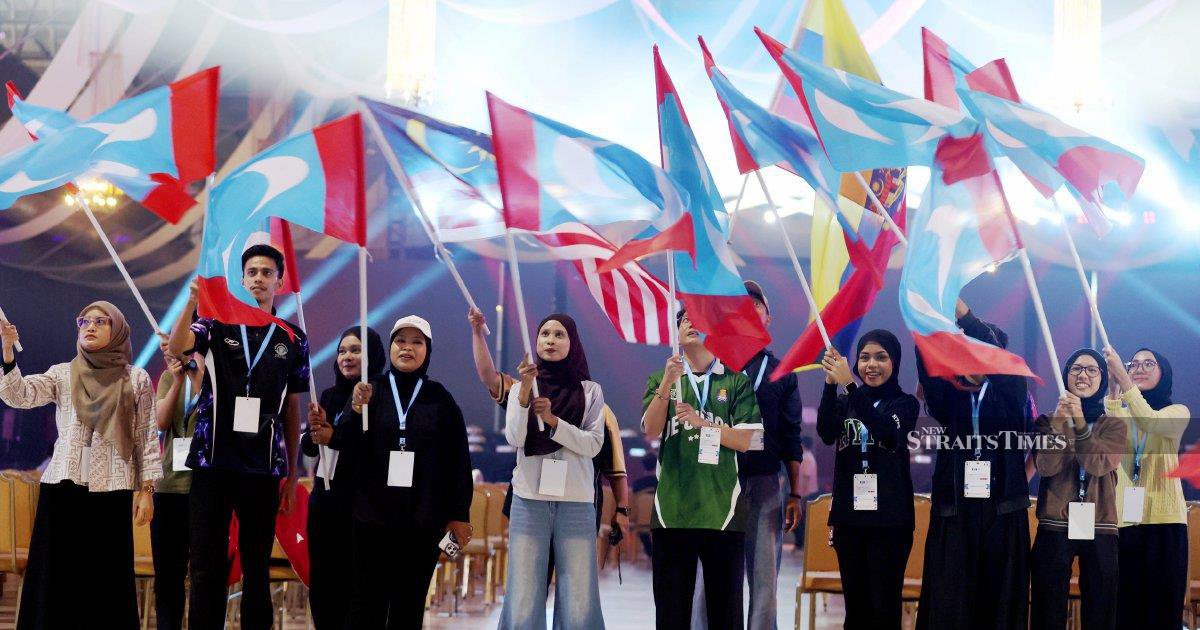
PKR's biennial congress in Melaka arrives at an inflection point for the party, with hundreds of delegates assembling at the Melaka International Trade Centre in Ayer Keroh confronting a sobering sequence of political reversals that extend beyond recent polling outcomes. The gathering takes place against the backdrop of poor showings in the Johor and Negri Sembilan state elections, defeats that underscore waning electoral appeal in key regional strongholds and raise questions about the party's direction and leadership effectiveness heading into crucial upcoming contests.
The timing of this congress is particularly consequential given that the party remains one of the primary components of the federal ruling coalition. PKR's capacity to maintain unity and project competence carries implications not only for its own fortunes but for the broader stability of the Pakatan Harapan alliance and, by extension, the government's parliamentary majority. Observers have noted that internal fractures, if left unaddressed, could accelerate defections and erode party discipline at a moment when disciplined coalition behaviour is essential for survival in Malaysia's volatile political environment.
The party has been buffeted by personnel conflicts and ideological tensions that have played out increasingly in public forums. These divisions have manifested across multiple levels, from grassroots membership disputes to disagreements among senior leadership cadres about strategic priorities and allocation of resources. Such internal discord typically diminishes party effectiveness in election campaigns and weakens messaging coherence at a time when PKR needs maximum organisational efficiency.
Electoral performance in Johor and Negri Sembilan offers concrete evidence of these underlying organisational challenges. Both states represent constituencies where PKR had anticipated competitive positions, making the defeats particularly stinging. Analysts suggest that fragmented internal messaging and reduced volunteer mobilisation—consequences of heightened internal tensions—contributed materially to disappointing campaign outcomes. The losses signal that voters may be developing perceptions of PKR as a party struggling with its own internal management.
The congress agenda will likely include candidly-worded addresses from party leadership seeking to restore confidence and articulate a coherent recovery strategy. Delegates will be attentive to how leaders diagnose recent failures and what remedies are proposed. The resolution of contested positions within party structures may offer signals about whether leadership is prepared to undertake substantive reforms or whether existing power arrangements will be essentially preserved despite electoral evidence suggesting current approaches are insufficient.
PKR's trajectory matters significantly for Malaysian political dynamics because the party occupies a pivotal middle position within Pakatan Harapan. Neither as heavily Muslim-oriented as PAS nor as predominantly non-Muslim as DAP, PKR has attempted to position itself as a multiethnic bridge party with broad appeal. However, this positioning becomes untenable if internal management problems undermine party credibility. Voter confidence erodes when parties appear consumed by internal battles rather than focused on delivering policy outcomes and constituent services.
The congress proceedings will also be scrutinised for what they reveal about demographic patterns within the party apparatus. Younger party members have expressed frustration with what they perceive as rigid hierarchies and limited opportunities for fresh voices. Addressing generational concerns could strengthen long-term party resilience, though doing so may require senior leadership to make uncomfortable compromises regarding power distribution and decision-making processes. The party's capacity to attract and retain younger activists depends partly on whether it demonstrates genuine openness to renewal.
Regional observers will be watching carefully for indications of PKR's stability, as political turbulence within Malaysia's ruling coalition creates vulnerability to opportunistic opposition movements. The Democratic Action Party and Malaysian United Indigenous Party, while themselves managing their own internal complexities, would benefit from any further deterioration of PKR's position. A weakened PKR makes it more difficult for Pakatan Harapan to mount cohesive electoral campaigns and complicates negotiation of coalition resource distributions in future contests.
The congress occurs within a broader context of voter sentiment that has shown increasing volatility across Malaysia. Economic pressures, cost-of-living concerns, and perceptions of governance effectiveness substantially influence electoral choices. Parties that project internal harmony and clear programmatic vision retain voter confidence more effectively than those appearing to be fractured by personality disputes and contested strategic directions. PKR's challenge involves both managing immediate internal problems and demonstrating to voters that the party leadership possesses the vision and administrative competence needed to address the substantive policy challenges Malaysians face.
As delegates convene, the congress represents an opportunity for PKR to undertake serious internal reckoning and chart a renewed path forward. The party's response to current difficulties will substantially influence its ability to stabilise its electoral base and maintain meaningful coalition presence in subsequent state and federal contests. Leadership decisions made during this gathering could determine whether PKR emerges stronger through recognised reform or continues along a trajectory of declining influence within Malaysia's political landscape.

