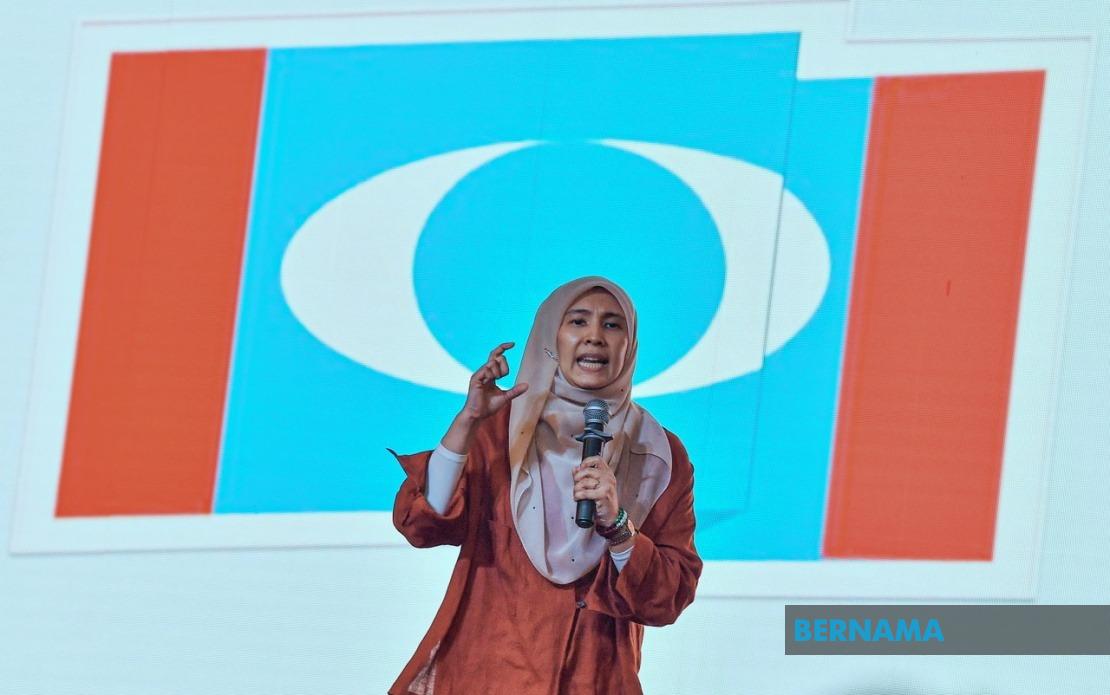
The People's Justice Party (PKR) has formally approved a temporary leave of absence for Deputy President Nurul Izzah Anwar, marking a significant shift in the party's upper leadership structure. The decision, announced on August 6, was reached during a meeting of PKR's Central Leadership Council (MPP) after the party deliberated on Izzah's request to step back from her position. The leave will take effect following the 2026 PKR National Congress, with the exact date of her return to be determined at a later stage.
PKR Information Chief Datuk Seri Fahmi Fadzil, who also serves as Malaysia's Communications Minister, conveyed the council's decision in a formal statement. According to Fahmi, the MPP carefully considered Nurul Izzah's request and the perspectives shared by party leadership before arriving at the consensus to grant the temporary leave. The arrangement reflects an effort by the party to accommodate Izzah's personal circumstances while maintaining continuity in its organisational operations during a critical period ahead of the next general election.
To manage the transition, PKR Vice-President Datuk Seri Saifuddin Nasution Ismail has been designated to carry out the responsibilities of Deputy President on an interim basis. This appointment ensures that the deputy leadership position remains filled by a senior party figure with established experience in party management and decision-making processes. Saifuddin Nasution's assumption of the role underscores the party's confidence in his capability to handle the added responsibilities while maintaining his existing vice-presidential functions.
Before stepping into her leave period, Nurul Izzah will complete a number of official engagements scheduled for mid-August. She is set to preside over the PKR Women's and Youth Wing congresses on August 14, demonstrating her continued involvement in party activities during the transition phase. These congresses precede the broader 2026 PKR National Congress, scheduled to take place in Melaka from August 15 to 16, where party delegates will gather to discuss organisational matters and chart the party's strategic direction.
The MPP meeting also addressed other significant personnel matters within PKR's operational hierarchy. The council agreed that party Vice-President Datuk Seri Amirudin Shari would assume full responsibility for the role of PKR Election Director. This consolidation of the election oversight function under Amirudin represents an effort to streamline decision-making authority and ensure coherent electoral strategy across the party's nationwide operations, a consideration of particular importance as Malaysia approaches its next electoral cycle.
Beyond leadership transitions, the MPP took stock of the party's recent electoral performance in two major state contests. PKR formally acknowledged and accepted the outcomes of the Johor and Negeri Sembilan state elections, reaffirming the party's commitment to respecting the democratic process and voter preferences. The party extended its appreciation to all party members and volunteers who had invested effort in these campaigns, recognising their contribution to the party's efforts despite the eventual results.
The council also expressed gratitude towards Datuk Seri Aminuddin Harun, who stepped down as Negeri Sembilan Menteri Besar. The party acknowledged Aminuddin's service across two consecutive terms in the role, praising his performance and leadership during his tenure. This formal recognition underscores PKR's tradition of honouring outgoing leaders and maintaining positive relations with those who have contributed significantly to the party's profile in their respective states.
In terms of membership growth, the MPP approved the admission of 3,533 new members who had registered through the party's online registration system between July 12 and August of the current year. This approval reflects PKR's ongoing efforts to expand its grassroots support and broaden its membership base. The online registration mechanism has enabled the party to streamline the membership intake process, reducing bureaucratic hurdles and making it more accessible for interested individuals across Malaysia to formally join the party.
The timing of these organisational changes comes at a period of strategic importance for PKR and the broader Malaysian political landscape. With general elections constitutionally due by 2026, the party is undertaking internal restructuring to position itself optimally for the electoral contest ahead. The leadership adjustments announced at this MPP meeting appear calibrated to address any constraints on key officials while ensuring that critical functions such as election direction and senior representation continue to operate smoothly under capable hands.
For Malaysian political observers, the development signals potential personnel shifts within PKR's leadership ranks ahead of major party congresses and national elections. The decision to grant Nurul Izzah a temporary rather than permanent leave suggests the possibility of her eventual return to the deputy presidency, preserving her place within the party's long-term leadership hierarchy. The arrangement also reflects the party's pragmatism in adapting its structure to accommodate the personal needs of key figures while sustaining organisational effectiveness.
The leadership restructuring also carries implications for PKR's coalition dynamics within the broader Pakatan Harapan alliance and the government's stability. As a major component party in the ruling coalition, PKR's internal coherence and strong leadership are critical to maintaining political stability at the federal level. The smooth execution of these leadership transitions demonstrates the party's institutional capacity to manage succession and delegation without disrupting its core functions or creating factional tensions.

