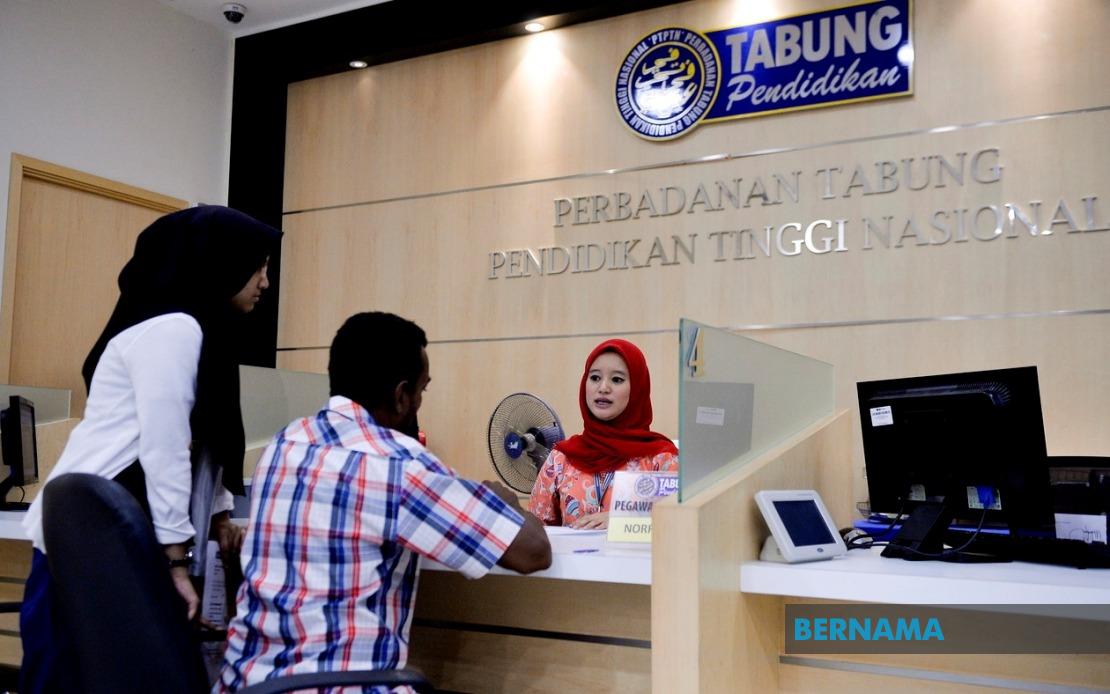
The Women's Wing of Parti Keadilan Rakyat has intensified pressure on the government to overhaul the National Higher Education Fund Corporation's debt recovery processes, demanding the elimination of a 15 per cent debt collection agency fee that borrowers currently face when their accounts are referred to third-party agencies. Speaking through its executive committee member Karen Kasturi, the faction has called for immediate implementation of reforms even as the government explores the broader question of whether PTPTN should continue to exist in its current form.
The core grievance centres on what the PKR Women's Wing characterises as an unjust compounding of financial hardship for struggling borrowers. Those whose accounts fall into arrears are frequently confronted with demands to pay substantial lump sums representing up to half their outstanding balance, and the 15 per cent fee imposed by debt collection agencies effectively increases their total debt burden at precisely the moment they are least able to afford it. For borrowers already operating on precarious financial margins, this additional charge represents not merely an inconvenience but a practical barrier to resolving their obligations.
Kasturi's statement highlights a systemic inconsistency that has created genuine confusion among the borrower population. Individuals seeking to address their repayment difficulties have been instructed to contact PTPTN directly to explore restructuring options, only to find themselves redirected to debt collection agencies without transparent explanation or documentation of their legal rights. This lack of clarity transforms what should be a straightforward administrative process into a confusing maze that discourages compliance even among borrowers genuinely committed to meeting their responsibilities.
The call for direct negotiation with PTPTN represents a fundamental shift in the proposed relationship between the fund and its borrowers. Rather than treating delinquency as an automatic trigger for outsourcing debt recovery, the PKR Women's Wing advocates for PTPTN to maintain direct oversight of restructuring discussions. This approach would presumably allow for individualised assessment of borrowers' circumstances and the design of repayment arrangements tailored to their actual financial capacity, moving away from the one-size-fits-all enforcement mechanisms currently employed.
Kasturi has also advocated for expanded flexibility within PTPTN's restructuring options and the introduction of targeted assistance schemes specifically designed for borrowers from the B40 and M40 income groups. These lower and lower-middle income categories represent a significant proportion of the student loan borrower population, individuals whose pursuit of higher education was predicated on the assumption that government financing would remain accessible and manageable. The PKR Women's Wing's emphasis on income-targeted relief acknowledges this reality and proposes that repayment obligations be calibrated according to actual earning capacity rather than fixed schedules.
Another significant concern raised involves potential erosion of Employee Provident Fund savings when these are deployed for PTPTN repayment. The PKR Women's Wing has expressed worry that intermediary charges, including fees levied by debt collection agencies, could substantially reduce the value of EPF withdrawals intended to settle education loans. This compounds the original problem: borrowers not only face the 15 per cent debt collection fee but also risk further financial leakage through additional deductions and charges applied to EPF disbursements.
The timing of this intervention is strategically important, arriving in the wake of Prime Minister Datuk Seri Anwar Ibrahim's recent statement to the Dewan Rakyat indicating the government's intention to explore the possibility of abolishing PTPTN entirely. While the PKR Women's Wing welcomes this broader examination of Malaysia's higher education financing architecture, Kasturi emphasises that contemplating structural reform should not delay action on immediate relief measures for current borrowers. The distinction is crucial: policy discussions about the future need not forestall addressing present suffering.
The framing of PTPTN borrowers as citizens deserving dignity rather than merely as accounts requiring collection represents a philosophical repositioning. Kasturi's statement explicitly rejects the creditor-debtor framing that dominates current PTPTN administration, instead positioning borrowers as Malaysians who accessed education through government policy and who now face genuine hardship in repayment. This rhetorical move carries policy implications: it suggests that solutions should prioritise rehabilitation and financial stability rather than punishment through accumulating fees and enforcement mechanisms.
For Malaysian policymakers and observers, the PKR Women's Wing's intervention raises important questions about the balance between fiscal responsibility and social obligation. The government's interest in potentially abolishing PTPTN suggests recognition that the current system may be fundamentally misaligned with contemporary economic realities and educational access principles. However, any transition away from PTPTN toward alternative financing models will require careful consideration of obligations owed to existing borrowers who entered agreements under previous frameworks and policy assumptions.
The call for engaging with Higher Education Minister Datuk Seri Dr Zambry Abd Kadir underscores that resolution likely requires coordination across multiple government entities. PTPTN's operational autonomy means that substantive changes to fee structures and restructuring procedures would require explicit ministerial direction and presumably legislative backing if statutory changes are required. The complexity of touching the PTPTN system explains why reform has proven elusive despite consistent pressure from affected borrowers and civil society advocates.
For Southeast Asia's broader context, Malaysia's PTPTN debate reflects challenges common across the region as countries grapple with making higher education simultaneously accessible and financially sustainable. Student debt burdens have risen across developed and developing economies, creating political pressure to reform loan structures, reduce or forgive debt, or fundamentally reimagine how tertiary education is financed. Malaysia's discussion positions it within a wider conversation about public investment in human capital and the appropriate distribution of costs between state and individual.
The PKR Women's Wing's advocacy also carries implications for public perception of loan-based education financing generally. As the organisation frames the current fee structure as exploitative and counterproductive, it contributes to broader questioning whether PTPTN's debt-collection mechanisms serve legitimate administrative purposes or have become ends unto themselves. If borrowers perceive the system as punitive rather than supportive, compliance and willingness to engage with PTPTN may decline regardless of the formal sanctions available to the fund.
Moving forward, the government faces a choice between continuing to manage PTPTN as currently structured while exploring its eventual abolition, or implementing interim reforms that immediately ease pressure on existing borrowers while longer-term alternatives are developed. The PKR Women's Wing has made a clear case that waiting for final decisions on PTPTN's future should not preclude action on the 15 per cent fee and direct restructuring access. Whether the government acts on this pressure will signal its commitment to balancing fiscal management with social welfare concerns.

