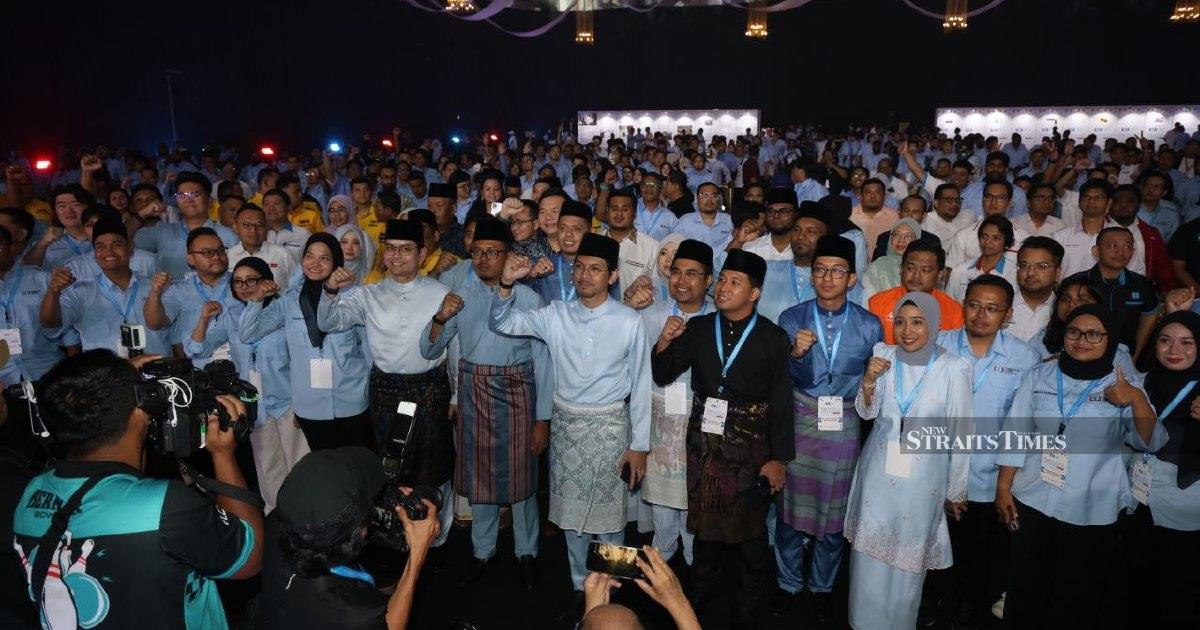
Pakatan Harapan faces a reckoning over its electoral performance, with the coalition being urged to accept responsibility rather than shift blame to voters for its rejection in the recent state elections in Johor and Negri Sembilan. Muhammad Kamil Abdul Munim, who leads the PKR Youth wing, delivered this stark assessment during remarks at Ayer Keroh, signalling internal acknowledgement that the coalition's problems are structural and require genuine remedial action.
The assessment from a prominent youth leader within one of PH's core parties is particularly significant because it reflects growing candour within the coalition about the disconnect between its messaging and voter sentiment. Rather than defensive posturing, Kamil's comments suggest some sections of the PH hierarchy recognise that continued electoral underperformance cannot be attributed to voter misunderstanding or external factors alone. This represents a departure from typical political spin and points to deeper strategic conversations happening within the coalition's upper echelons about how to arrest its declining fortunes.
Malaysia's political landscape has shifted considerably since Pakatan Harapan's historic 2018 victory, which upended decades of dominance by the Barisan Nasional coalition. That triumph rested on broad-based discontent and promises of systemic reform. However, the intervening years have witnessed a fragmentation of the original reform coalition, the defection of significant political figures, and a steady erosion of voter confidence. The recent defeats in Johor and Negri Sembilan underscore a troubling trajectory rather than representing isolated setbacks.
For Southeast Asian observers and Malaysian analysts, the significance of PH's current predicament extends beyond electoral mathematics. The coalition represents the region's most substantive attempt at democratic renewal and institutional reform in recent memory. Its stumbles carry implications for how Malaysian voters assess political alternatives and what they demand from governing coalitions. The broader question of whether reform-oriented movements can sustain momentum and deliver on ambitious programmes remains consequential for the entire region.
The particular context of Johor is worth examining closely. As Malaysia's second-largest state and a significant economic powerhouse, Johor's electoral outcome reverberates across national politics. Voter rejection in this traditionally competitive territory suggests PH has lost appeal among swing voters and working-class Malaysians who might have backed the coalition previously. Understanding the specific grievances that drove voters away requires more nuance than blanket accusations of voter irrationality—precisely the point Kamil appears to be making.
Negri Sembilan, meanwhile, occupies a different strategic position as a smaller but symbolically important state. Its location in the Klang Valley corridor and proximity to Kuala Lumpur makes it a bellwether for urban and semi-urban sentiment. Losses there indicate that PH cannot rely on its traditional support bases in urbanised areas where the coalition had imagined its messaging would resonate most powerfully. This geographic dimension to PH's setbacks suggests something more systematic than tactical electoral management can address.
The implicit argument within Kamil's remarks is that voter decisions reflect rational responses to PH's actual record and current offering rather than voter confusion or misplaced allegiance. This interpretation demands that the coalition conduct serious introspection about policy delivery, administrative competence, and whether it has successfully implemented the reform agenda that originally attracted supporters. A coalition that acknowledges this reality has a foundation upon which to build credibility restoration efforts, whereas one that deflects responsibility only deepens public cynicism.
For Malaysian voters considering which coalition deserves their trust going forward, assessments of competing parties' records matter profoundly. The evaluation centres on whether promises made translate into outcomes delivered, whether governments run efficiently and with integrity, and whether leaders acknowledge shortcomings honestly or resort to deflection. The current moment in Malaysian politics hinges significantly on this exact calculus. If PH can demonstrate genuine commitment to reform and deliver visible improvements in governance and service delivery, voter confidence might be recoverable. If the coalition instead retreats into defensive rhetoric, the electoral prospects worsen substantially.
The internal dialogue within PKR Youth also reflects generational dynamics within the coalition. Younger political figures often bring different perspectives than established party machinery, and their willingness to articulate uncomfortable truths suggests that elements within PH recognise the stakes involved. However, rhetoric alone changes nothing. Kamil's comments gain credibility only if they catalyse actual operational changes within the coalition that address root causes of voter alienation.
Regionally, the trajectory of Malaysian politics under Pakatan Harapan's challenged stewardship carries implications for how Southeast Asian societies approach democratic governance and institutional reform. The coalition's ability to navigate current difficulties without fracturing further will influence whether similar reform movements elsewhere in the region can sustain momentum and deliver on ambitious mandates. Malaysia's voters are ultimately the judges of whether the current coalition deserves renewed confidence, and that verdict will shape the nation's political trajectory for the coming years.

