PKR Youth (AMK) has begun accelerating its campaign preparations for the forthcoming Melaka state election, with party officials pledging to strengthen organizational capabilities and intensify community-level engagement across the state. The initiative marks an early mobilization effort as the ruling Pakatan Harapan coalition gears up for what could be a closely contested electoral battle in one of Malaysia's most politically volatile states.
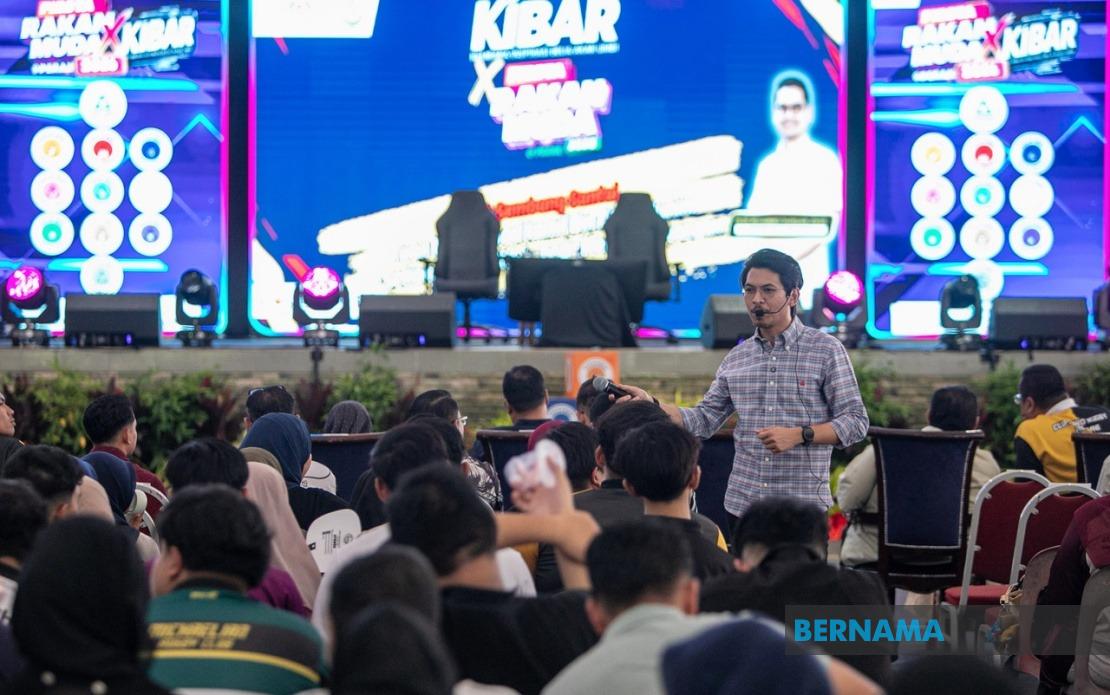
Muhammad Kamil Abdul Munim, the AMK chief, outlined the strategic priorities during remarks made at a youth-focused townhall event in Kuala Kangsar. He emphasized that state-level party officials have received explicit instructions to place maximum emphasis on operational readiness, ensuring that both the party's campaign infrastructure and ground-level programmes are optimized well in advance of voting day. This preparatory phase focuses on building robust electoral machinery that can effectively mobilize supporters and coordinate voter outreach across Melaka's constituencies.
The timing of these preparations is significant given that the 15th Melaka State Legislative Assembly's term expires in December, creating a defined window for the election campaign. While the Pakatan Harapan leadership has yet to finalize candidate selections and seat distribution among coalition partners, the ground-level preparation work is proceeding in parallel, reflecting the party's determination to hit the campaign trail with maximum organizational efficiency once leadership decisions are formalized.
Melaka represents contested political terrain for the Pakatan Harapan coalition. In the 2021 state election, the coalition secured five seats out of the 28-member assembly—comprising Kota Laksamana, Kesidang, Bandar Hilir, Bukit Katil and Ayer Keroh—while Barisan Nasional dominated with 21 seats and Perikatan Nasional captured two. This outcome underscores the significant ground PKR and allied parties must recover to substantially improve their electoral position. The preparation efforts being mobilized now suggest the coalition is approaching the contest with serious intent to expand its footprint in the state legislature.
For PKR Youth specifically, the Melaka campaign offers a crucial testing ground for the party's ability to mobilize younger voters and demonstrate organizational coherence among the Pakatan Harapan alliance. The youth wing's involvement in these early preparations reflects recognition that engagement with voters aged 18-40 will be central to any successful electoral bid. By investing in grassroots coordination now, the party hopes to build momentum that can be translated into youth turnout and enthusiasm during the actual campaign period.
Parallel to election preparations, AMK is simultaneously leveraging broader youth engagement platforms to strengthen party-society connections. At the Perak-level townhall session held in Kuala Kangsar, the party participated in the Kembara Inspirasi Belia Akar Umbi (KIBAR) programme, a Youth and Sports Ministry initiative designed to foster direct dialogue between young citizens and political leadership. The event attracted more than 600 participants aged 15 to 30, providing an opportunity for PKR to listen directly to grassroots concerns while promoting its policy positions and organizational vision.
Muhammad Kamil characterized the KIBAR programme as an essential mechanism for democratic engagement, noting that it creates dedicated space for young people to voice critiques, offer suggestions, and pose questions to senior party figures. This two-way communication model aligns with PKR's broader positioning as a reform-oriented party that values grassroots input in policy formation. For participants, the townhall format offers rare access to senior leadership and an opportunity to influence party thinking on issues affecting younger demographics—employment prospects, education policy, affordable housing, and political representation among them.
The AMK leadership indicated that the KIBAR programme will be systematically expanded across the country over coming months, with explicit focus on deepening youth participation in grassroots political processes. This expansion strategy suggests PKR and allied coalition partners view youth mobilization as strategically vital not merely for the upcoming Melaka contest but as a longer-term capacity-building investment. By establishing regular channels for youth engagement now, the party aims to cultivate a generation of politically active supporters who can sustain organizational momentum beyond any single electoral cycle.
For Malaysian observers monitoring Pakatan Harapan's trajectory, the PKR Youth preparations signal that the coalition is taking the Melaka election seriously despite relatively modest performance in 2021. The decision to front-load organizational work and amplify youth engagement suggests strategic recognition that electoral competitiveness depends heavily on advanced planning and grassroots activation. How effectively these efforts translate into actual campaign performance and electoral gains will become clearer once the Pakatan Harapan leadership finalizes candidate selections and campaign strategy.
The broader context here involves Melaka's significance within Malaysia's political landscape. As a state where no single party has achieved overwhelming dominance in recent cycles, the territory remains genuinely competitive. Strong performances by Barisan Nasional, Pakatan Harapan, and Perikatan Nasional factions demonstrate that voter preferences in Melaka are fluid and responsive to specific campaign messaging and local grievances. For PKR Youth and the broader Pakatan coalition, this fluidity represents both opportunity and vulnerability—a chance to substantially improve on 2021 results, but also a risk that organizational missteps or failure to articulate compelling policy platforms could see further losses.
The emphasis on election machinery and grassroots coordination also reflects lessons learned from recent electoral campaigns across Southeast Asia and Malaysia itself. Sophisticated voter targeting, organized volunteer networks, effective data management, and coherent messaging require months of preparation. By beginning these efforts now, PKR Youth is signaling to internal stakeholders that the party takes the Melaka contest seriously and is committed to professional, organized campaigning rather than ad-hoc electoral activism.
Moving forward, attention will focus on how Pakatan Harapan's national leadership resolves seat allocations and candidate selections. These decisions will largely determine whether PKR's preparatory groundwork translates into competitive campaigns in specific constituencies. Should the coalition present strong, locally-embedded candidates backed by robust campaign infrastructure, the party's early organizational investments may yield significant returns. Conversely, poor candidate selection or internal coalition friction could undermine even the most sophisticated campaign machinery. For now, the preparation phase continues in earnest, with PKR Youth positioning itself as the vanguard of coalition efforts to recapture lost ground in Melaka.

