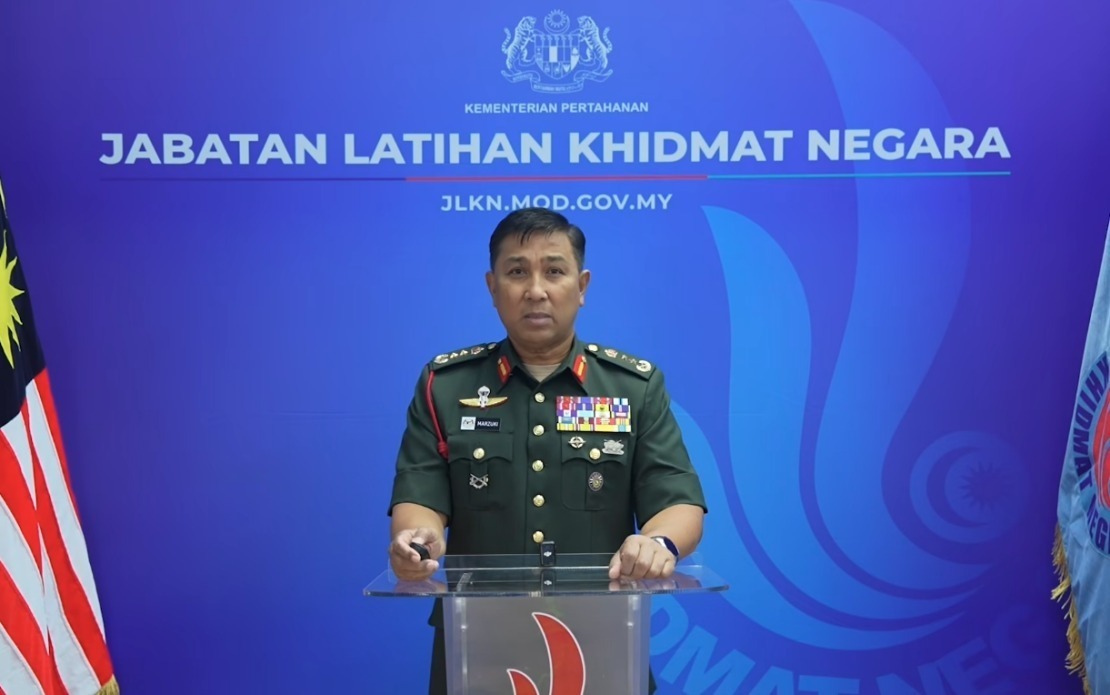
Balancing civic duty with military training objectives, Malaysia's National Service Training Department has authorised voting leave for 77 trainees enrolled in the PLKN 3.0 Series 3/2026 programme to participate in the Johor and Negeri Sembilan state elections. The arrangement underscores the government's commitment to preserving democratic participation rights even among those undergoing compulsory national service, a policy consideration that carries particular weight in Malaysia's electoral calendar where state polls occur at varying intervals throughout the year.
According to National Service Training Department director general Major General Datuk Marzuki Mokhtar, the decision reflects a deliberate effort to uphold trainees' constitutional rights without undermining the broader national education mission embedded within the compulsory service framework. This represents a pragmatic approach to reconciling two important state interests—the nurturing of civic responsibility through electoral participation and the completion of structured national service training designed to foster national unity and patriotic consciousness among young Malaysians.
The voting schedule has been calibrated to minimise disruption to training schedules. Among the affected trainees, 31 individuals voting in the Johor state election were granted leave to return to their respective camps the following day, allowing them to cast ballots while preserving continuity in their training curriculum. This compressed timeline reflects the proximity of the Johor election to the programme's start date, necessitating brief absence protocols that maintain overall programme cohesion.
The situation differs for trainees participating in the Negeri Sembilan election, scheduled for August 1. These 46 individuals will receive between two and three days of leave to accommodate travel requirements and voting procedures, a more generous allocation reflecting the temporal distance from the training programme's commencement and the logistical considerations of reaching voting locations from their assigned camps. Such differentiated leave arrangements demonstrate administrative flexibility in responding to Malaysia's decentralised electoral timeline.
The PLKN 3.0 Series 3/2026 programme maintains full operational capacity despite these electoral accommodations, with 870 confirmed trainees distributed across three primary training facilities. Camp 505 AW in Pekan, Pahang, houses the largest contingent at 500 trainees, while Camp 515 AW in Kuala Lumpur accommodates 250 participants and Camp 504 AW Bukit Keteri in Perlis hosts 120 trainees. This distribution reflects strategic geographic placement designed to foster inter-regional cohesion among Malaysia's younger generation whilst maintaining accessibility for trainees from different states.
The programme's duration from mid-July through late August positions it during a significant period in Malaysia's political calendar, with state elections creating potential scheduling complications for national service implementation. The department's ability to accommodate electoral participation demonstrates institutional maturity in managing competing state objectives—the need for cohesive national training experiences and the imperative to facilitate democratic engagement among eligible young voters. This balancing act proves increasingly important as Malaysia's electoral schedule becomes more densely packed with state-level contests.
For Malaysian voters and observers, the voting leave arrangement carries broader implications regarding the treatment of young citizens undertaking compulsory national service. It signals that participation in democratic processes remains a priority even within the structured environment of military-style training, a message that reinforces the foundational principle that Malaysia's democratic framework encompasses all eligible citizens regardless of their temporary institutional status. The decision also reflects confidence in trainees' commitment to both civic duty and their national service obligations.
The National Service Training Department has concurrently urged prospective trainees for the upcoming PLKN 3.0 Series 4/2026, particularly those born in 2008, to monitor official departmental channels for announcements regarding selection procedures and registration timelines. This advisory underscores the department's emphasis on transparent, standardised recruitment processes conducted exclusively through authorised government channels, a measure designed to combat misinformation and fraudulent recruitment schemes that occasionally circulate among prospective service participants.
The department explicitly cautioned potential applicants that BERNAMA, the official national news agency, has never appointed external agents or individuals for staff recruitment purposes. This warning addresses a persistent problem in Malaysian public sector recruitment where scammers pose as official representatives to solicit fees from unsuspecting candidates. By publicly clarifying legitimate recruitment procedures, the department aims to protect young Malaysians from exploitation whilst ensuring that candidate selection remains merit-based and transparent.
The voting arrangements for current PLKN trainees represent a practical resolution to the recurring challenge of accommodating electoral participation within structured national service programmes. As Malaysia continues to conduct state elections on varying schedules, such accommodations will likely become standard departmental practice, reflecting an institutional understanding that democratic participation and national service training, whilst sometimes competing for attention and resources, ultimately serve complementary national objectives. The approach adopted here suggests that future cohorts of PLKN trainees can anticipate similar flexibility when electoral calendars intersect with their training schedules.

