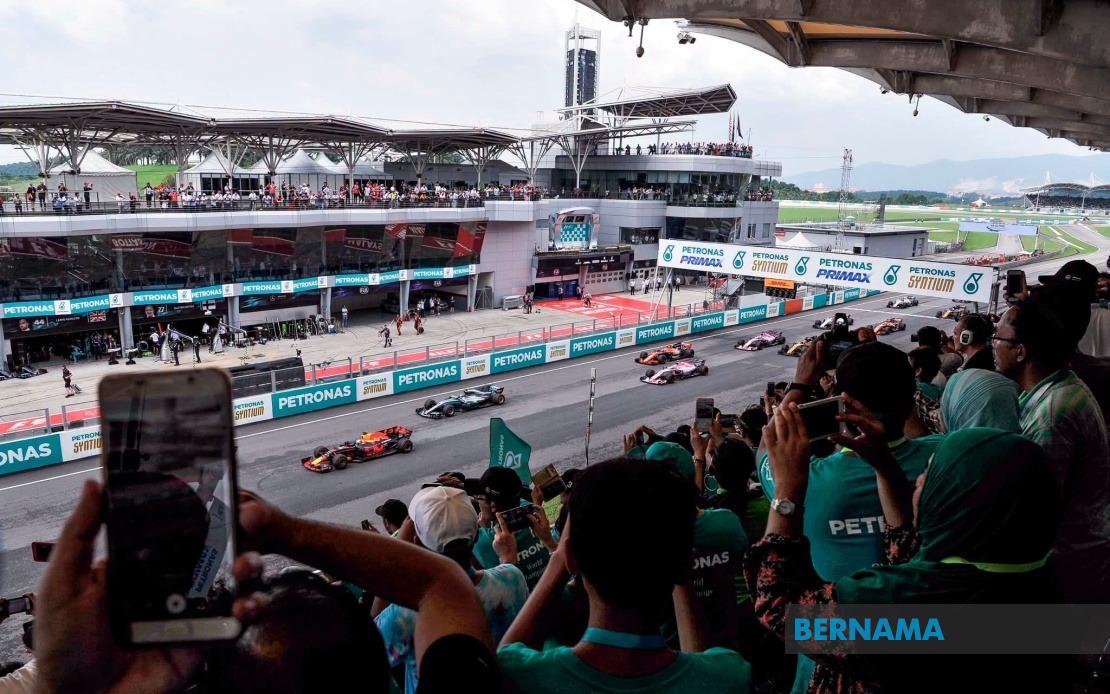
Prime Minister Datuk Seri Anwar Ibrahim unveiled an initiative today to bring Formula 1 racing within reach of ordinary Malaysians, launching subsidised MADANI tickets priced from RM200 exclusively for citizens holding a MyKad. The announcement marks a significant step in democratising access to the forthcoming Gulf Air Bahrain Grand Prix, scheduled to take place at Sepang International Circuit from October 2 to 4, 2026, providing ticket holders entry throughout the entire three-day event.
The initiative emerged following weeks of government deliberation to secure affordable spectator access to the international motorsport spectacle. Through diplomatic channels and mutual agreement with Bahrain, Malaysian authorities negotiated the special pricing structure to ensure that cost barriers would not prevent citizens from experiencing world-class racing. Anwar confirmed the development via social media, expressing optimism that the arrangement would expand opportunities for Malaysians to witness Formula 1 action live at the local circuit.
Sepang International Circuit has secured hosting rights for the Bahrain Grand Prix following geopolitical complications that forced postponement of the race from its original April date at the Bahrain International Circuit. The relocation to Malaysia represents a significant diplomatic achievement and demonstrates Kuala Lumpur's ability to step in as a reliable international sporting venue during a period of regional tensions in West Asia. This transfer of such a prestigious event underscores Malaysia's strategic importance within the global motorsport calendar.
The return of Formula 1 to Malaysian soil carries substantial historical significance. Sepang hosted the Malaysian Grand Prix annually from 1999 until 2017, when the race was discontinued from the F1 calendar. That decision reflected the mounting financial burden associated with hosting fees and licensing requirements—costs that had become increasingly unsustainable for the local circuit. The eventual removal of the Malaysian GP disappointed both motorsport enthusiasts and the broader tourism and hospitality sectors that benefited from the annual influx of international visitors and media attention.
The MADANI ticket initiative addresses concerns about public participation in major sporting events by leveraging government subsidy to bridge the affordability gap. Standard Formula 1 tickets typically command premium prices that place them beyond the reach of average Malaysian households. By capping entry fees at RM200 for domestic spectators, the government signals commitment to inclusive access and recognises the cultural value of enabling citizens to engage with world-class sporting entertainment. Further operational details regarding ticket distribution, seating allocation, and purchase procedures will be released by Sepang International Circuit in due course.
The race's return to Malaysia carries broader implications for the nation's international standing. Successfully hosting a rescheduled Grand Prix from another jurisdiction demonstrates Kuala Lumpur's capacity to manage complex logistical and diplomatic arrangements at short notice. The event will generate substantial economic activity across accommodation, transportation, food and beverage, and retail sectors throughout the Klang Valley and surrounding regions. International media coverage surrounding the October race will provide significant promotional exposure for Malaysia as a modern, well-organised sporting destination.
For Malaysia's automotive and engineering industries, the Formula 1 fixture offers networking opportunities and brand visibility on a global platform. Local companies involved in motorsport supply chains, hospitality services, and transportation infrastructure will benefit from heightened industry engagement and potential commercial partnerships. The visibility granted to Malaysian businesses and institutions through association with such a prominent international event can yield long-term commercial and reputational dividends.
From a motorsport development perspective, the return of Formula 1 to Sepang represents a symbolic reclamation of Malaysia's position within elite international racing. The nation has historically produced competitive racing drivers and boasts technical expertise in automotive engineering. The local Grand Prix serves as an aspirational benchmark for Malaysian motorsport talent and can inspire younger generations to pursue careers within racing and related engineering disciplines. Sepang's continued evolution as a world-standard circuit facility requires ongoing investment and innovation.
The Formula 1 and Fédération Internationale de l'Automobile confirmed the arrangement following formal negotiation between Malaysian and Bahraini authorities. This administrative coordination reflects the professional relationships maintained between sporting organisations and national governments, and demonstrates how diplomatic solutions can address geopolitical complications affecting the international calendar. The successful negotiation of this fixture placement preserves the integrity of the F1 season whilst accommodating regional security considerations.
For Malaysian sports enthusiasts and families, the MADANI ticket pricing represents an uncommon opportunity to access premium international sporting entertainment at subsidised cost. The three-day duration of the event enables spectators to plan extended attendance without incurring prohibitive expenses, potentially creating memorable family experiences and lasting connections to motorsport culture. Schools and youth organisations may also leverage the accessible pricing to facilitate educational excursions that demonstrate engineering principles and international competition within a practical, engaging context.
Looking forward, the successful execution of the 2026 Bahrain Grand Prix at Sepang could establish precedent for Malaysia to secure additional F1 races or alternative Formula 1-affiliated events. Demonstrating proficiency in hosting international motorsport at the highest level strengthens Malaysia's competitive position when future bidding opportunities emerge. The nation's infrastructure, governance capacity, and tourism industry maturity position it as an attractive destination for international sporting organisations seeking reliable partner venues in Asia-Pacific.
The announcement reflects broader government policy priorities emphasising inclusive economic participation and expanded public access to cultural and sporting experiences. By subsidising tickets through MADANI, authorities demonstrate commitment to bridging socioeconomic divides and ensuring that significant national events serve broader constituency interests rather than privileging affluent spectators exclusively. This approach aligns with aspirations toward more equitable and participatory governance frameworks within the Malaysian context.

