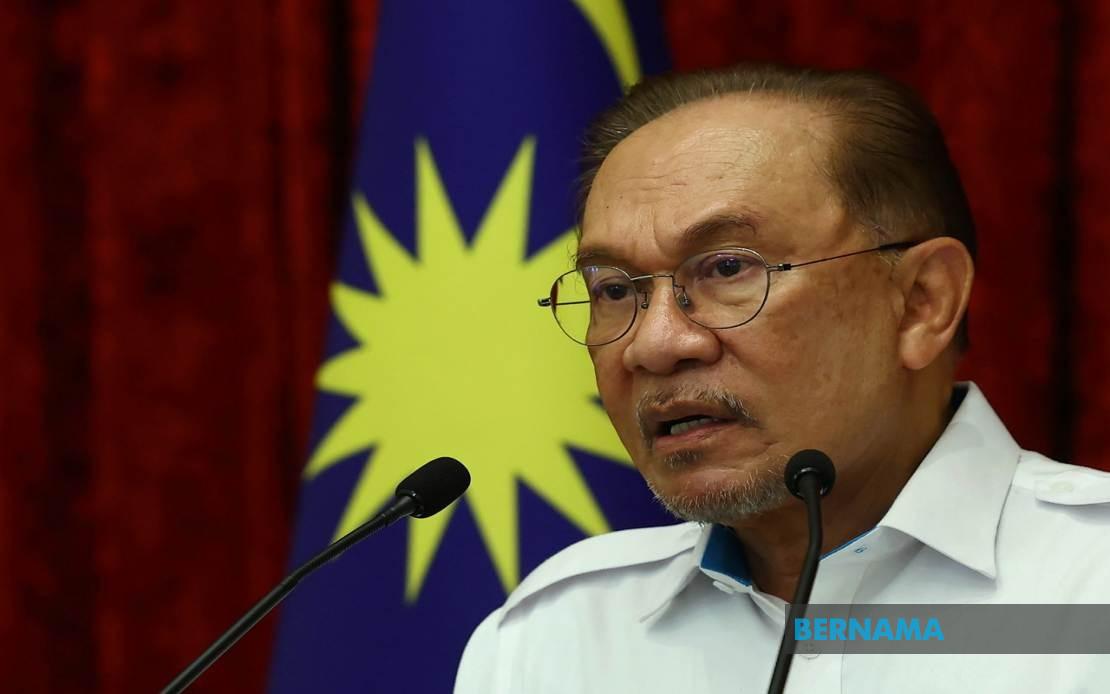
Prime Minister Datuk Seri Anwar Ibrahim has conveyed his regrets at not being present for today's parliamentary sitting dedicated to debating the Royal Commission of Inquiry Report concerning Tabung Haji, Malaysia's premier pilgrimage savings fund for Muslims. The absence comes during a period when the Prime Minister is receiving medical attention following a surgical intervention earlier this week. Through his senior press secretary Tunku Nashrul Abaidah, Anwar expressed his commitment to maintaining institutional integrity and ensuring that the trust vested in the governmental structures serving the Muslim community remains protected.
The Tabung Haji inquiry represents a significant moment for Malaysian governance, particularly given the fund's importance to over three million account holders and its central role in facilitating annual pilgrimages to Mecca. The Royal Commission of Inquiry was established to investigate matters of concern within the organisation, and Parliament's deliberation of its findings carries considerable weight in shaping potential reforms and policy adjustments. The Prime Minister's determination to follow the debate meticulously, despite his physical absence from the chamber, underscores the government's intention to address whatever recommendations emerge from this investigative process.
Anwar, who recently celebrated his 79th birthday, is currently recovering from an elective laparoscopic surgical procedure conducted to address a para-umbilical hernia. According to Dr Asri Ranga Abdullah Ramaiah, the head of the Prime Minister's medical team, the surgical intervention was successful. The non-invasive nature of laparoscopic surgery typically permits swifter recuperation compared to traditional open surgery, though post-operative care and gradual rehabilitation remain essential components of the recovery pathway. The Prime Minister's office has indicated that his condition is progressing favourably.
As part of his recuperation programme, Anwar is undergoing structured physiotherapy sessions administered by a specialised medical team. This rehabilitation phase is crucial for restoring mobility and strength following abdominal surgery, and the medical experts overseeing his care have crafted a comprehensive recovery programme. The Prime Minister's commitment to continuing this therapeutic regimen demonstrates a pragmatic approach to managing his health while maintaining engagement with critical governmental affairs through alternative means. The inclusion of intensive physiotherapy sessions reflects best medical practice for patients of advancing age undergoing surgical procedures.
The Malaysian public and international observers have taken note of the extensive outpouring of well-wishes directed toward Anwar. The Prime Minister's office extended gratitude to individuals from various walks of life who offered prayers and greetings in recognition of his recent birthday and his ongoing health challenges. Such expressions of goodwill are customary in Malaysian political culture, particularly when public figures face health setbacks. The acknowledgment of this support reflects the interconnected nature of Malaysian society, where religious and communal values intersect with expressions of political concern.
The decision to conduct a special parliamentary sitting specifically for the Tabung Haji RCI Report debate indicates the significance authorities attach to ensuring parliamentary scrutiny of the commission's findings. In Malaysia's Westminster-influenced system, such dedicated sittings provide structured opportunity for comprehensive examination of major investigative reports and their implications for policy and institutional management. The government's willingness to allocate parliamentary time to this matter demonstrates responsiveness to public interest in the stewardship of institutions managing collective resources.
There are broader implications for Malaysian governance in how the government manages the balance between executive health and operational continuity. The Prime Minister's office has navigated this situation by maintaining transparency regarding his medical status whilst ensuring that critical parliamentary functions proceed without delay. This approach respects both the Prime Minister's need for recovery and Parliament's constitutional prerogatives to conduct necessary business. The precedent established here will likely influence how similar circumstances are managed in future governmental instances.
From a Southeast Asian perspective, Malaysia's approach to managing governmental operations during leadership health challenges reflects institutional maturity. Unlike some regional counterparts, the Malaysian system permits governmental functions to continue through established protocols whilst leadership recovers from medical procedures. The transparency surrounding the Prime Minister's condition and his anticipated recovery timeline contributes to institutional credibility and public confidence in governmental stability during transitional periods. This openness stands in contrast to opacity that sometimes characterises health matters involving regional political leaders.
The Tabung Haji institution itself carries historical and cultural significance extending beyond its financial parameters. Established as a dedicated pilgrimage savings fund, it represents Malaysia's commitment to facilitating religious obligations for Muslim citizens. Any recommendations emerging from the Royal Commission of Inquiry have potential implications for millions of account holders and broader public trust in governmental management of resources dedicated to religious purposes. The Prime Minister's determination to remain engaged with the inquiry's parliamentary consideration, notwithstanding his medical constraints, signals executive awareness of these broader implications.
Looking forward, the Prime Minister's recovery trajectory will likely proceed according to the medical team's established protocols, with physiotherapy sessions occupying significant time in his schedule. Parliamentary proceedings regarding the Tabung Haji RCI will advance with or without his physical presence, though his remote engagement ensures that executive perspectives inform subsequent governmental responses to any recommendations. The intersection of personal health management and institutional responsibility that Malaysia is navigating underscores the complexities of modern parliamentary governance in Southeast Asia.

