Prime Minister Datuk Seri Anwar Ibrahim has launched a sharp rebuke at opposition parties, accusing them of weaponising the Tabung Haji scandal for political gain rather than genuinely addressing the plight of millions of depositors whose savings were mismanaged. In a Facebook statement, Anwar questioned whether parliamentary debate should centre on him personally or on the fundamental betrayal of trust that occurred within the religious endowment institution, which holds the pilgrimage savings of ordinary working Malaysians across diverse backgrounds.
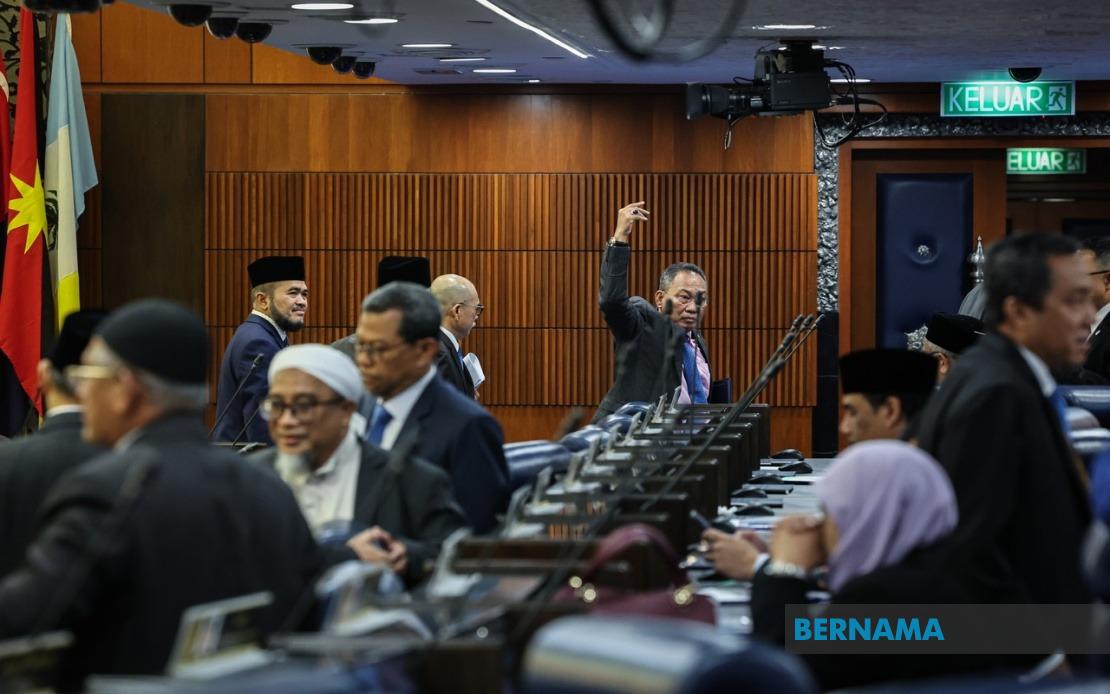
The Prime Minister's intervention came in response to opposition Members of Parliament staging a walkout from a special Dewan Rakyat sitting convened to discuss the Royal Commission of Inquiry report into Tabung Haji's operations. The lawmakers protested against Speaker Tan Sri Johari Abdul's decision to proceed with ministerial briefings on the 211-page RCI findings despite Anwar's absence due to medical treatment for a para-umbilical hernia requiring laparoscopic surgery and subsequent physiotherapy. Opposition chief whip Datuk Seri Takiyuddin Hassan had proposed adjourning the proceedings, a motion the Speaker rejected.
Anwar's frustration reflects a deeper tension in Malaysian politics around how institutional failures affecting vulnerable populations should be handled. The Tabung Haji crisis represents a substantial breach of public trust, involving weaknesses in management and governance spanning 2014 to 2020, according to the RCI report released on July 29. The institution serves as a crucial savings vehicle for fishermen, farmers, teachers, police personnel, soldiers, and retirees—predominantly from modest income backgrounds—who contribute throughout their working lives to fund the Islamic pilgrimage obligation. When such mechanisms fail, the human impact extends far beyond balance sheets.
The RCI investigation, established by the government in 2021 and formally commissioned in January 2022, identified systemic vulnerabilities in how Tabung Haji managed and operated its affairs during the six-year period under scrutiny. The report subsequently presented to Yang di-Pertuan Agong on August 30, 2022, contained 25 specific recommendations for institutional reform and recovery. By July 30, Tabung Haji had already begun implementing measures to address these shortcomings, with three-quarters of recommendations either completed or underway, indicating serious remedial efforts within the organisation.
Anwar's criticism of the Perikatan Nasional opposition coalition, particularly PAS's role as its leading party, sharpened when he questioned whether opposition leaders truly prioritised the welfare of lower-income depositors. He specifically highlighted the contradiction between PAS's public rhetoric about championing Malay-Muslim interests and their apparent willingness to abandon substantive debate on Tabung Haji's restoration in favour of parliamentary theatrics. The question cuts to the heart of political accountability in Malaysia, where religious and communal concerns are frequently invoked during electoral campaigns but sometimes deprioritised when inconvenient.
The timing of the opposition's boycott complicated an already sensitive situation. Anwar's medical absence, while legitimately explained, provided opposition figures an opening to protest the Speaker's procedural rulings and the government's handling of parliamentary business. However, in seizing this opportunity for procedural objection, critics argue that opposition lawmakers risked appearing to subordinate institutional reform to partisan advantage. This perception likely underpins the Prime Minister's pointed characterisation of their actions as political theatre rather than substantive engagement.
For Malaysian depositors and the broader public, the implications are significant. The RCI report represents official acknowledgment of governance failures that undermined an institution designed to facilitate religious obligation among working-class Muslims. The 75 per cent implementation rate of recommendations suggests momentum toward recovery, yet sustained political will remains essential. Tabung Haji's financial restoration requires continued administrative reform, stronger oversight mechanisms, and potentially legislative changes. Opposition scrutiny can strengthen such efforts through constructive criticism, but parliamentary walkouts arguably diminish rather than enhance accountability mechanisms.
The institutional context matters here as well. Tabung Haji operates in a space where religious sentiment, national identity, and socioeconomic vulnerability intersect. Millions of Malaysians, many with limited financial literacy and modest savings, depend on the institution's integrity. When governance fails in such contexts, consequences ripple through families and communities. The RCI process itself represents a positive step toward transparency and institutional learning. Whether parliament can maintain focus on genuine reform rather than partisan point-scoring will determine whether the inquiry leads to lasting improvement.
Anwar's intervention also reflects anxiety about opposition tactics potentially derailing reform momentum. Parliamentary disruptions, walkouts, and procedural protests can delay implementation of recovery measures, leaving depositors' interests in limbo. Conversely, opposition parties argue that rigorous scrutiny—including parliamentary confrontation when necessary—ensures government accountability and prevents whitewashing of serious institutional failures. This tension between reformist urgency and oppositional oversight remains unresolved in Malaysian parliamentary practice.
The broader political significance extends to how Malaysian governance addresses crises affecting vulnerable populations. When institutions serving lower-income citizens fail, should parliament prioritise rapid institutional recovery or exhaustive investigation and blame allocation? The answer likely involves both, yet opposition and government actors clearly disagree about balance and sequencing. For ordinary Tabung Haji depositors, these political calculations matter less than tangible progress toward restored financial security and resumed pilgrimage savings functions.
Moving forward, the RCI report provides concrete benchmarks against which progress can be measured. The 25 recommendations, with three-quarters already implemented, suggest Tabung Haji leadership is responding seriously to identified weaknesses. Parliamentary scrutiny, whether through government-led briefings or opposition questioning, should focus on these metrics rather than becoming vehicles for broader political conflict. Anwar's challenge to opposition figures to prioritise depositor interests over parliamentary tactics reflects this practical perspective, even if his own position as Prime Minister necessarily intertwines institutional reform with political considerations.

