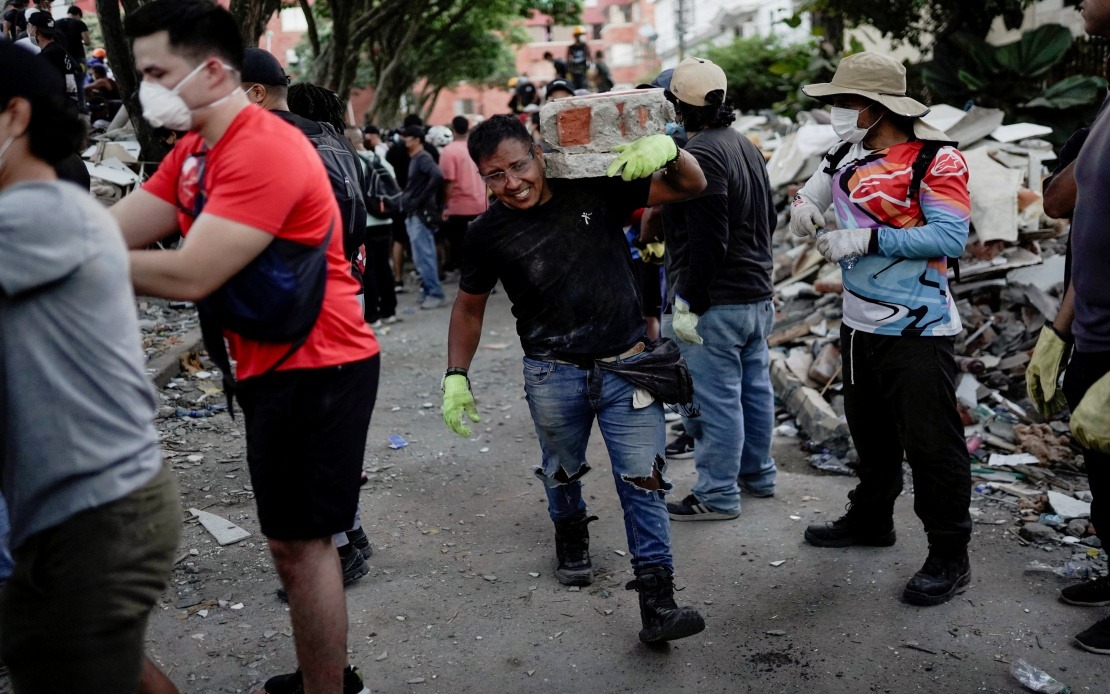
Prime Minister Datuk Seri Anwar Ibrahim has conveyed Malaysia's deepest sympathies to the Colombian people following a catastrophic earthquake that devastated the western portion of the South American nation. The natural disaster, which struck on Monday with a magnitude of 7.4, stands as one of the most powerful seismic events to affect Colombia in recent decades, leaving a substantial death toll exceeding 100 people and triggering extensive infrastructural damage across multiple municipalities.
In remarks posted on Facebook, Anwar articulated the Malaysian government's commitment to standing alongside Colombia during this period of acute national crisis. The Prime Minister's statement underscored that Malaysia recognises the gravity of the situation facing the Colombian population and acknowledges the scale of humanitarian need that has emerged in the aftermath of the tremor. By positioning Malaysia within the broader international community response, Anwar sought to reinforce bilateral goodwill and shared human values that transcend geographical distance.
The epicentre of the earthquake was located in the Chocó region, situated in Colombia's western territory, from where the destructive waves radiated outward to strike multiple population centres. Major cities including Cali, Pereira and Manizales experienced significant structural damage, with buildings compromised, infrastructure disrupted and essential services severely impacted. The geographical concentration of devastation in this western corridor has compounded the logistical challenges facing Colombian authorities attempting to mount rescue and relief operations.
Anwar's statement specifically acknowledged the extraordinary efforts being undertaken by rescue personnel and volunteer organisations who continue to navigate treacherous conditions in their search for survivors. The ongoing occurrence of aftershocks—a common phenomenon following major seismic events—has added complexity and risk to these life-saving operations, forcing rescue teams to balance urgency with safety considerations. The Prime Minister's recognition of these workers reflected an appreciation for the human cost of disaster response work, which often places responders themselves in considerable danger.
The Malaysian leader extended prayers for the swift medical recuperation of those injured in the disaster and expressed hope for the successful location of individuals still reported missing. This humanitarian dimension of Anwar's message resonated beyond diplomatic formality, acknowledging that recovery extends well beyond the initial rescue phase into long-term healing and psychological restoration for survivors. The inclusive language employed—encompassing those deceased, those injured, those rescued and those still unaccounted for—demonstrated comprehensive awareness of the disaster's multifaceted human impact.
The 7.4-magnitude earthquake represents a significant seismic event on the global scale, particularly for a country whose tectonic position along the Pacific Ring of Fire exposes it to regular earthquake risk. For Malaysian readers, the scale of devastation serves as a potent reminder of geological vulnerabilities that affect nations across the Asia-Pacific region and beyond. Seismic preparedness and disaster response capacity remain critical infrastructure considerations for governments throughout this interconnected world.
Anwar's diplomatic outreach carries implications for Malaysia's positioning within international affairs, reinforcing the nation's commitment to humanitarian principles and collective global responsibility during emergencies. Such statements, though rooted in immediate sympathy, contribute to the broader framework through which nations maintain cooperative relationships and demonstrate shared commitment to human welfare regardless of geographical or political boundaries. Colombia, though geographically distant from Malaysia, occupies an important position within the Latin American context and within broader international relations.
The earthquake also underscores the importance of international disaster response mechanisms and mutual aid frameworks that enable countries to coordinate relief efforts effectively. Malaysia, having experienced its own natural disasters including the 2004 Indian Ocean tsunami and various flooding events, maintains relevant expertise in disaster management that could potentially contribute to global response capabilities. Regional cooperation frameworks in Southeast Asia have similarly emphasised disaster preparedness and cross-border assistance protocols.
From a broader perspective, natural disasters of this magnitude illuminate the fragility of infrastructure and the critical importance of building codes, early warning systems and evacuation protocols. Colombia's experience will likely generate important lessons for other nations susceptible to seismic activity, contributing to the global knowledge base regarding earthquake resilience and post-disaster reconstruction. For Malaysia and its regional neighbours, such events reinforce the necessity of maintaining robust contingency planning and ensuring emergency response systems remain adequately resourced and regularly tested.
The immediate challenge facing Colombian authorities involves managing the dual imperatives of continuing search and rescue operations whilst simultaneously initiating damage assessment and relief distribution. International assistance, including medical supplies, rescue equipment and technical expertise, becomes invaluable during this critical window when survival prospects remain highest for those trapped or injured. Malaysia's expression of solidarity, whilst primarily symbolic, acknowledges the legitimacy of Colombia's appeals for international support during this humanitarian emergency.
As the international community mobilises its response to the Colombian earthquake, the incident serves as a sobering reminder of nature's awesome destructive capacity and humanity's continuing vulnerability to geological forces. The recovery process will extend across months and years, requiring sustained commitment from both Colombian authorities and international partners. Anwar's statement positions Malaysia within this extended commitment to supporting Colombia's reconstruction and the restoration of normalcy to affected communities, reflecting principles of international cooperation and shared human dignity that transcend borders and political systems.

