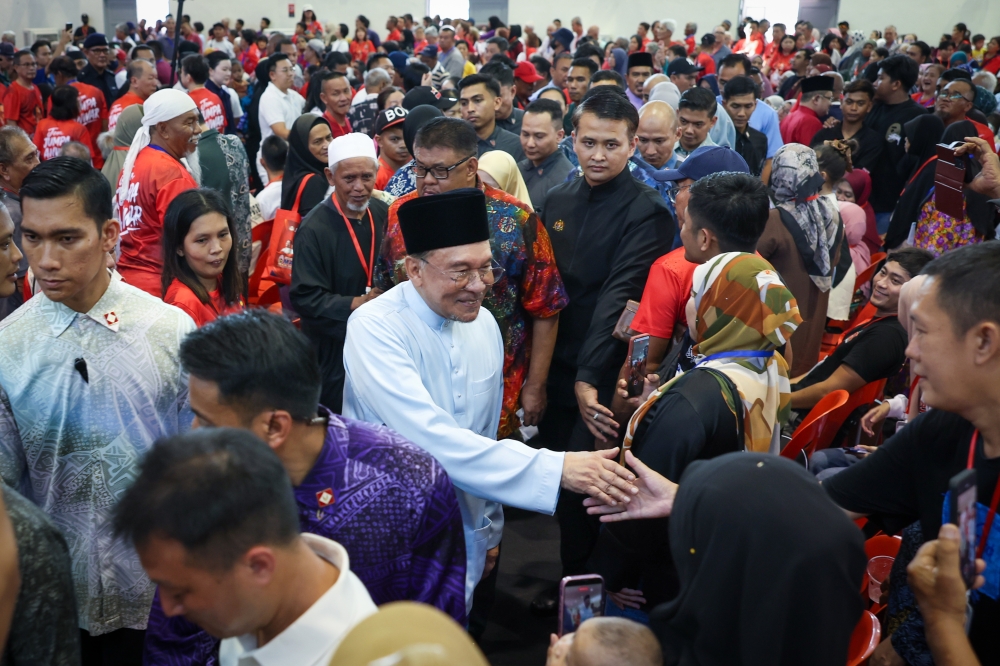
Prime Minister Datuk Seri Anwar Ibrahim is currently receiving medical examinations and specialist observation at a healthcare facility, according to a statement released by the Prime Minister's Office. The two-day observation period encompasses various diagnostic procedures and assessments by medical specialists, with the PMO confirming that the Prime Minister is undergoing the checks as a routine precautionary measure.
The disclosure of Anwar's medical appointment comes at a significant juncture for Malaysia's political landscape, as the nation continues to navigate complex economic and governance challenges under his administration. The transparency demonstrated by the PMO in publicly confirming the Prime Minister's health assessment reflects a practice of keeping the public informed about the wellbeing of the country's chief executive, a matter of considerable constitutional and public interest given the sensitive role the Prime Minister occupies in national affairs.
Malaysia has established constitutional and procedural conventions regarding the health status of the Prime Minister, with the Federal Constitution containing provisions for succession and interim governance should the need arise. The confirmation of routine health checks underscores the importance placed by the Office of the Prime Minister on maintaining comprehensive medical oversight and ensuring the head of government remains in optimal condition to discharge his duties. Such proactive health management is standard practice among Commonwealth nations with similar constitutional frameworks.
The timing of these medical examinations, while routine in nature, carries broader implications for Malaysia's political stability and economic management. The nation faces ongoing challenges including managing inflation pressures, maintaining fiscal discipline, and navigating regional geopolitical considerations. Assurances regarding the Prime Minister's health status help anchor market confidence and provide reassurance to both domestic and international stakeholders regarding governmental continuity and decision-making capacity.
Anwar's health status holds particular significance given his extensive political career spanning several decades, during which he has held numerous ministerial portfolios and navigated periods of considerable personal and political challenge. The continuity of his leadership has been central to Malaysia's reform agenda since taking office, with his administration having prioritised initiatives spanning economic diversification, anti-corruption efforts, and institutional strengthening. The two-day observation period allows medical teams to conduct thorough assessments ensuring the Prime Minister can continue executing these substantive policy priorities.
The Prime Minister's Office has maintained that Anwar's medical engagement remains routine and preventive in character, with no indication of acute medical concerns prompting the examination schedule. This proactive approach to health monitoring reflects contemporary best practices in healthcare management for senior government officials, particularly in demanding executive positions where fatigue and stress-related conditions can accumulate over sustained periods. The specialist consultations enable early detection of any potential health issues and contribute to long-term wellness maintenance.
From a constitutional perspective, Malaysia's governmental structure contains specific provisions addressing prime ministerial absences or incapacity. While the current examinations do not trigger such provisions, the clarity surrounding their nature and duration demonstrates institutional awareness of succession protocols. The Federal Constitution stipulates mechanisms for handling circumstances where a Prime Minister becomes temporarily unable to exercise their functions, with the Deputy Prime Minister assuming interim responsibilities under defined conditions.
Public communication regarding the Prime Minister's health reflects broader governance transparency principles that Malaysian policymakers have increasingly emphasised in recent years. The confirmation by the PMO stands in contrast to historical precedents where such matters were sometimes shrouded in opacity, reflecting evolving standards of governmental accountability and public information sharing. This approach builds institutional trust by providing factual, timely information rather than allowing speculation or rumour to circulate regarding leadership capacity.
The medical observation period necessitates adjustments to the Prime Minister's schedule, with official engagements and ministerial meetings being rescheduled or delegated during this timeframe. Malaysia's ministerial system permits such operational flexibility, with the Deputy Prime Minister and senior cabinet members capable of managing routine governmental functions during temporary absences. The coordination of such arrangements reflects the professional operational standards maintained within the Prime Minister's Office and broader executive apparatus.
Looking forward, the completion of these specialist assessments should provide comprehensive health data informing the Prime Minister's continued capacity to manage his demanding portfolio. The proactive nature of the examination regimen demonstrates commitment to evidence-based health maintenance rather than reactive medical intervention. For Malaysia's economic and political stakeholders, the timely communication from the PMO regarding these routine checks provides assurance of institutional steadiness and continuity in national leadership during a period when such stability remains important for regional confidence and domestic policy implementation.

