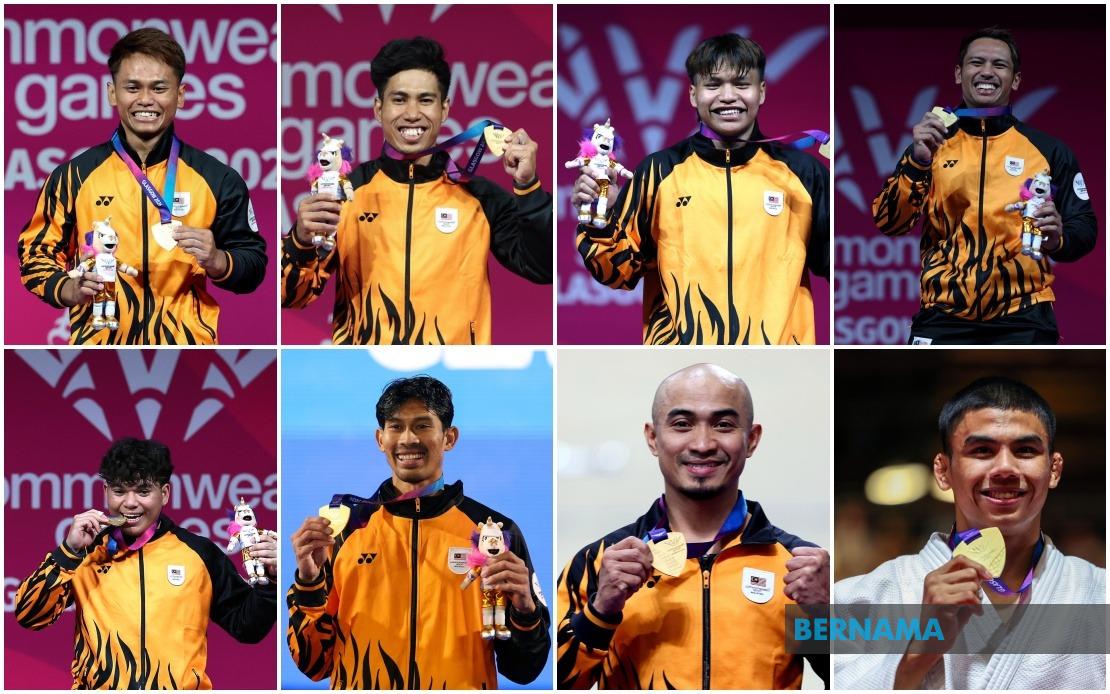
Prime Minister Datuk Seri Anwar Ibrahim has publicly commended Malaysia's entire sporting delegation for demonstrating exceptional resilience and pride during their campaign at the 2026 Glasgow Commonwealth Games in Scotland. Speaking through a Facebook post on August 3rd, the Premier expressed his satisfaction with how the national team represented the country on the international stage, highlighting their unwavering determination throughout the multi-sport competition.
Anwar's message extended beyond the athletes themselves, encompassing the broader ecosystem that supports Malaysian sport. He specifically acknowledged the vital contributions of coaching staff, competition officials, and support personnel who worked tirelessly behind the scenes to prepare and accompany the contingent. The Prime Minister's recognition underscores the reality that medal performances at major sporting events depend on far more than individual athlete talent—they require coordinated effort across multiple disciplines and roles.
The Malaysian team concluded the Glasgow Games in 10th position overall, accumulating a total medal haul of 16. While this result places Malaysia firmly in the middle tier of Commonwealth Games performers, the achievement carries particular significance given the intense competition among established sporting nations and rising athletic powers in the Commonwealth. The final standing reflects Malaysia's consistent presence as a serious contender in multi-sport events, even as the nation continues to develop its high-performance systems and investment in elite athletics.
Beyond the official acknowledgements, Anwar's comments reflect a broader Malaysian narrative about national pride in sporting achievement. The Prime Minister's invocation of religious sentiment—beginning with "Alhamdulillah" (praise be to God)—demonstrates how athletic performance resonates deeply within Malaysian culture and values. For many Malaysians, the nation's contingent at international games represents a source of collective identity and unity, transcending the usual partisan divisions that characterise domestic politics.
The Glasgow Games themselves held particular importance as Malaysia's preparation ground for future Commonwealth competitions and as a testing environment for emerging athletes. The 2026 event provided an opportunity for younger sporting talent to gain experience on a world stage, potentially building confidence and technical expertise that will benefit the country in subsequent competitions. For sports administrators and coaches, the results offer valuable data about programme effectiveness and areas requiring additional investment or strategic refocus.
Anwar's public congratulations also served a diplomatic function, reinforcing Malaysia's commitment to the Commonwealth sporting movement and the values it represents. The Commonwealth Games tradition, dating back decades, emphasises friendly athletic rivalry and the celebration of sporting excellence across participating nations. By personally commending the contingent, the Prime Minister signalled Malaysia's continued engagement with this international sporting framework and its dedication to excellence within it.
The acknowledgement of Malaysian citizens' prayers and support reveals how athletic competition at the Games level operates as a form of national mobilisation. Across Malaysia, families and communities follow their representatives' performances, with success generating widespread celebration and disappointment driving collective reflection. This grassroots engagement, when channelled positively through national leadership, can strengthen social cohesion and inspire younger generations to pursue athletic careers.
From a regional perspective, Malaysia's 10th-place finish at Glasgow positions the nation competitively within Southeast Asia. The achievement demonstrates that despite facing well-established sporting rivals both within and beyond the region, Malaysia maintains capacity to develop world-class athletes and deliver respectable performances at premier international events. This standing has implications for how Southeast Asian nations view their sporting capabilities relative to each other and to the broader global landscape.
The Prime Minister's statement also implicitly reinforces government support for sports development. By publicly celebrating the contingent's efforts and acknowledging the various stakeholders involved, Anwar created a positive narrative around investment in athletic programmes. Such political endorsement can help secure continued funding and resources for national sporting bodies, which depend on steady financial commitment to maintain training facilities, coaching expertise, and athlete welfare systems.
Looking forward, Malaysia will likely leverage the Glasgow Games experience as a platform for assessing strengths and weaknesses in its sporting infrastructure. The 16-medal haul provides a baseline for future competitions, while individual athlete performances offer insights into which sports merit increased development attention. Coaching staff will analyse performances across disciplines to identify whether specific sports require additional resources or strategic reorientation.
The response from the highest levels of government to the contingent's performance also sets expectations for how Malaysia approaches future international sporting engagements. By celebrating the team's effort and competitive spirit rather than focusing narrowly on medal counts, Anwar's message prioritises participation, representation, and national pride—values that resonate across Malaysian society regardless of specific results.

