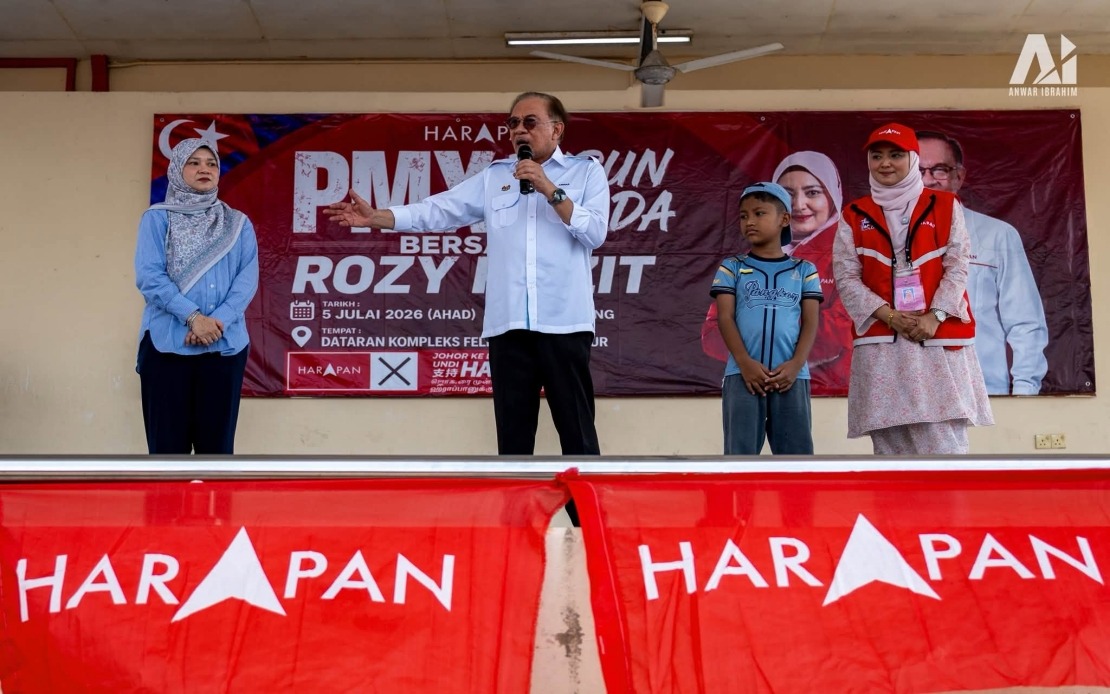
Prime Minister Datuk Seri Anwar Ibrahim has shared an account of a chance encounter that left a lasting impression on him during a recent visit to Johor. The story centres on nine-year-old Muhammad Afif Ikhwan from Kampung Pudu in Segamat, who undertook a remarkable journey through an oil palm plantation with his grandmother, Rosimah Mohammad, in hopes of catching a glimpse of the nation's leader.
The brief moment occurred at Felda Palong Timur during an official programme, when the young boy managed to reach through the crowd to shake hands with Anwar. Moved by the genuine effort and determination displayed by both grandmother and grandson, the Prime Minister subsequently arranged for an emissary to visit Muhammad Afif at his home, bringing with him a bicycle as a gesture of recognition and encouragement. In a Facebook post reflecting on the incident, Anwar described how this ostensibly fleeting interaction had profound significance for him, illustrating the power of simple human connection.
What renders this story particularly noteworthy is the extraordinary sacrifice made by Rosimah, a 58-year-old grandmother who made the decision to navigate her motorcycle through the challenging terrain of oil palm plantation tracks. The journey was undertaken with a singular purpose: to grant her grandson the opportunity to meet the Prime Minister in person. This act of devotion speaks volumes about family bonds and the willingness of older generations to go to extraordinary lengths for their grandchildren's happiness and inspiration.
Anwar emphasised in his reflection that such experiences serve as powerful reminders of the importance of maintaining compassion and humanity, regardless of the pressures and demands of high office. He noted that while managing national affairs and confronting substantial policy challenges, leaders must never allow themselves to become disconnected from the everyday aspirations and dreams of ordinary citizens. The encounter, though brief, crystallised for him the reality that what may seem insignificant to those in power can represent something monumental to those seeking merely a moment of recognition or connection.
For Malaysian readers, this incident carries broader implications about the nature of leadership and accessibility. It highlights a growing expectation among citizens that their elected officials remain grounded in human values and responsive to the hopes of common people. In the context of Southeast Asia, where hierarchical structures have traditionally dominated governance, such gestures of personal warmth and recognition can serve to bridge the psychological distance between leaders and the populace. The story suggests a leadership philosophy that values not merely policy implementation but also the cultivation of hope and inspiration within communities.
The significance of the bicycle gift extends beyond mere materialism. In rural areas like Segamat, such presents often represent genuine aspirational symbols for young people. The gift carries with it an implicit endorsement of Muhammad Afif's worthiness, a message that his determination and his grandmother's sacrificial love have been witnessed and valued by those in positions of influence. This type of recognition can profoundly impact a child's self-perception and motivation during formative years.
Anwar's decision to publicise this personal encounter through social media reflects a contemporary approach to leadership communication. By sharing the story, he transforms a private moment into a wider narrative about the values the government claims to uphold. The narrative emphasises compassion, humility, and the recognition that meaningful governance extends beyond legislative chambers and policy documents into the realm of human dignity and personal encouragement.
The episode also raises questions about the role of grandmothers in family structures across Malaysia and the region. Rosimah's actions exemplify the crucial caregiving and mentoring roles that older women often perform, frequently with limited recognition or support. Her willingness to undertake a physically challenging journey through plantation terrain demonstrates the vitality and resilience of Malaysia's senior citizens, contradicting stereotypes of aging populations as passive or economically unproductive.
For officials and administrators throughout Southeast Asia, the story presents an instructive lesson. It demonstrates that unexpected interactions, when approached with genuine empathy and followed through with tangible action, can generate goodwill that resonates far beyond the immediate moment. In an era of scepticism towards political institutions, such authentic moments of human connection possess considerable value in rebuilding trust between governance structures and communities.
Looking ahead, Anwar expressed hope that Muhammad Afif would cherish this memory as motivation to excel in his studies and ultimately contribute meaningfully to his family, community, and nation. This forward-looking perspective suggests an understanding that moments of encouragement during childhood can catalyse long-term positive trajectories. The story serves as a reminder that leadership impact is not solely measured through grand policy achievements but also through the capacity to inspire hope in individuals, particularly the young, who represent a nation's future.

