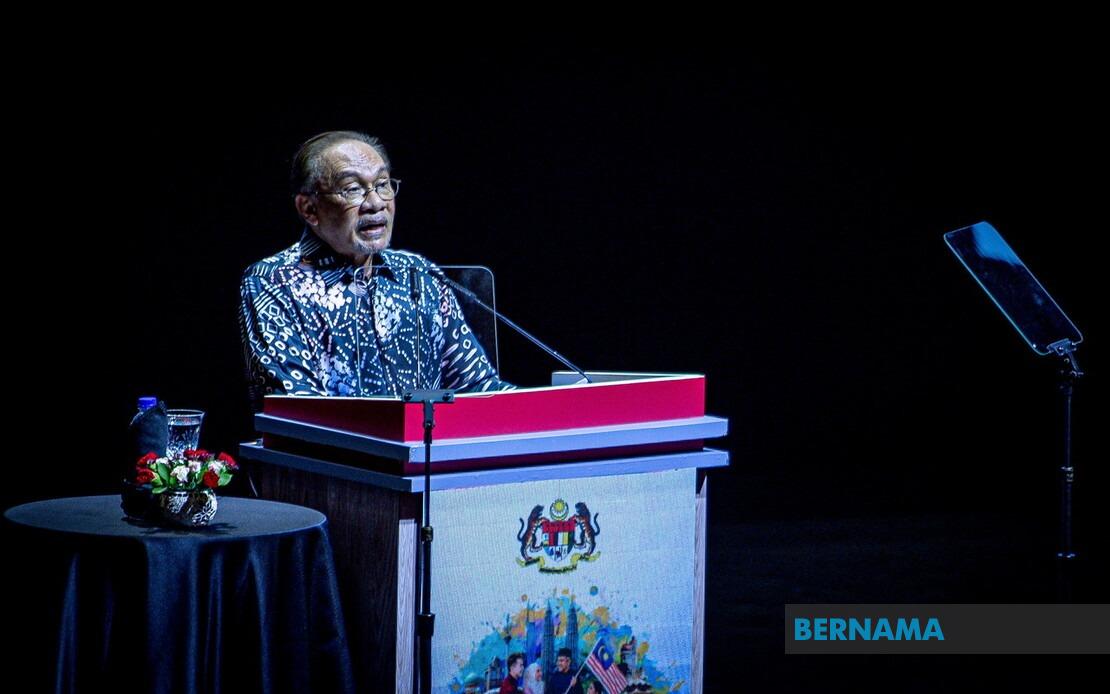
Prime Minister Datuk Seri Anwar Ibrahim announced six targeted measures on Friday to alleviate mounting cost-of-living pressures affecting Malaysian households, with all initiatives scheduled to commence on September 1. Speaking at the Putrajaya International Convention Centre during the 2026 National Day Prime Minister's Address, Anwar outlined a comprehensive package encompassing fuel subsidies, school maintenance allocations, artificial intelligence integration, healthcare digitalisation, e-Invoicing systems and microfinancing options. The government framed these initiatives as a direct response to persistent public concern over daily expenses and economic strain, particularly as inflation continues to weigh on household budgets across the nation.
Anwar acknowledged that despite previous government interventions, significant challenges persist in providing relief to ordinary Malaysians contending with elevated living costs. He stressed that the Cabinet, working alongside Deputy Prime Minister Datuk Seri Dr Ahmad Zahid Hamidi and other senior ministers, remains acutely aware that existing measures have not fully resolved affordability issues affecting families throughout the country. The Prime Minister's candid admission that the government has "never assumed that we have solved all the problems" reflects growing political pressure to demonstrate tangible progress on an issue consistently ranking among voters' top concerns.
The announcement carries particular timing significance, arriving on the eve of Malaysia's National Day celebrations. Anwar framed the measures as symbolic gestures acknowledging the struggles of schoolchildren, young people, housewives and mothers—demographic groups often bearing disproportionate burdens when household economies tighten. By linking the relief package to national celebrations, the government sought to position itself as responsive and attuned to grassroots economic anxieties during a period when national sentiment and unity feature prominently in public discourse.
Fuel subsidies represent the most visible component of the relief package. Maintaining or expanding petroleum product support addresses one of the most direct cost pressures affecting both individual motorists and commercial operators. Fuel pricing significantly influences transportation costs, which cascade through supply chains affecting grocery prices, delivery charges and broader inflation. For Malaysian consumers already managing tight household budgets, any reduction in fuel-related expenses potentially generates meaningful savings across multiple spending categories.
School maintenance funding addresses infrastructure and operational needs within educational institutions, potentially reducing indirect costs families face through school fees and supplementary charges. This element particularly benefits lower and middle-income households dependent on public education systems. By strengthening school resources, the government aims to reduce financial burdens on parents while simultaneously improving learning environments for students.
The healthcare digitalisation component modernises medical service delivery through technology platforms. Digital healthcare systems can reduce consultation costs, eliminate unnecessary travel expenses and streamline patient administration. For Malaysians accessing public healthcare services, digitalisation potentially enhances efficiency and accessibility, particularly benefiting those in rural or remote areas where specialist services remain geographically distant. This forward-looking measure also positions Malaysia's healthcare infrastructure for long-term sustainability amid demographic aging and rising treatment costs.
Artificial intelligence integration suggests the government is pursuing technological advancement as an economic efficiency tool. AI applications across government services could theoretically reduce bureaucratic delays, lower administrative costs and improve service quality. However, successful AI implementation requires substantial investment in infrastructure, staff training and cybersecurity—areas where Malaysia continues developing expertise. The announcement signals intent to modernise governance, though tangible benefits may require extended implementation periods.
E-Invoicing standardisation streamlines business transactions and tax administration by digitising invoice generation and submission. Businesses, particularly small and medium enterprises, benefit from reduced paperwork, faster payment processing and improved compliance tracking. By formalising this system nationally, the government aims to enhance tax collection efficiency while reducing administrative burdens on private sector operators. For consumers, improved business efficiency potentially translates to more competitive pricing and better service quality.
Microfinancing expansion addresses credit access for low-income entrepreneurs and small business operators often excluded from conventional banking systems. Enhanced microfinance availability enables individuals to establish income-generating activities, start enterprises or manage unexpected expenses through manageable loan products. This initiative targets economic self-sufficiency rather than dependency on government handouts, reflecting contemporary development thinking emphasising entrepreneurship and financial inclusion.
The announcement's comprehensiveness spanning subsidies, education, technology, healthcare, business administration and financial services reflects recognition that cost-of-living pressures operate across multiple economic dimensions. No single policy intervention addresses housing affordability, food costs, utilities, transportation and childcare simultaneously—forces collectively determining household financial health. By deploying measures across different sectors, the government attempts demonstrating broad engagement with interconnected economic challenges.
For Southeast Asian observers, Malaysia's approach represents one region's attempt balancing immediate fiscal relief against sustainable economic management. Fuel subsidies, while politically popular, carry significant budgetary costs and distort market signals. Simultaneously, neglecting affordability concerns risks political instability and erosion of public confidence in government capability. The Malaysian government's dual messaging—acknowledging unresolved problems while presenting solutions—reflects the delicate political equilibrium required when addressing widespread economic anxiety.
Implementation quality will ultimately determine these measures' effectiveness and public reception. Policy announcements lacking robust execution mechanisms, adequate funding or bureaucratic coordination frequently disappoint constituents expecting tangible improvement. The September 1 start date provides a concrete timeline for Malaysians to assess whether government commitments translate into genuine relief or remain primarily rhetorical gestures. Deputy Prime Minister Datuk Seri Dr Ahmad Zahid Hamidi, Communications Minister Datuk Seri Fahmi Fadzil and other Cabinet members present at the announcement bear responsibility for ensuring coordinated, effective execution across these diverse initiatives.

