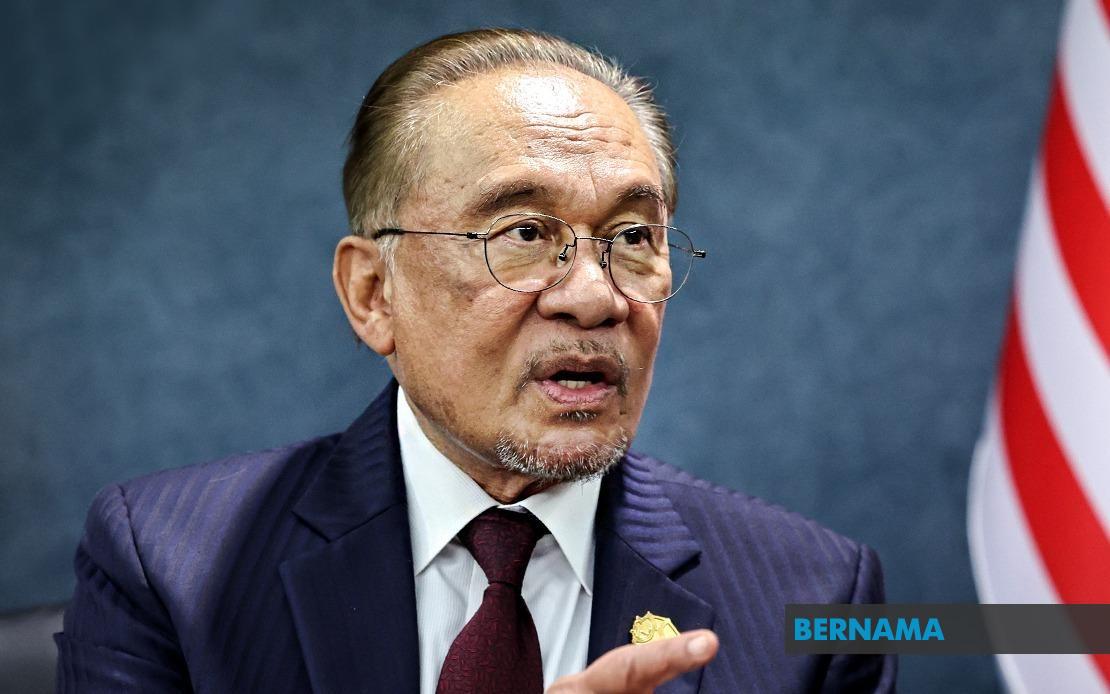
Prime Minister Datuk Seri Anwar Ibrahim is set to take centre stage at the ASEAN-Russia Business Forum in Kazan, delivering remarks to business leaders and government representatives from across Southeast Asia and Russia. The event, held at Kazan IT Park, underscores Malaysia's active participation in advancing regional cooperation with Moscow at a critical juncture in geopolitical relations. Anwar, who also holds the Finance Ministry portfolio, will articulate Malaysia's vision for deepening economic engagement and exploring new opportunities within the broader ASEAN-Russia framework.
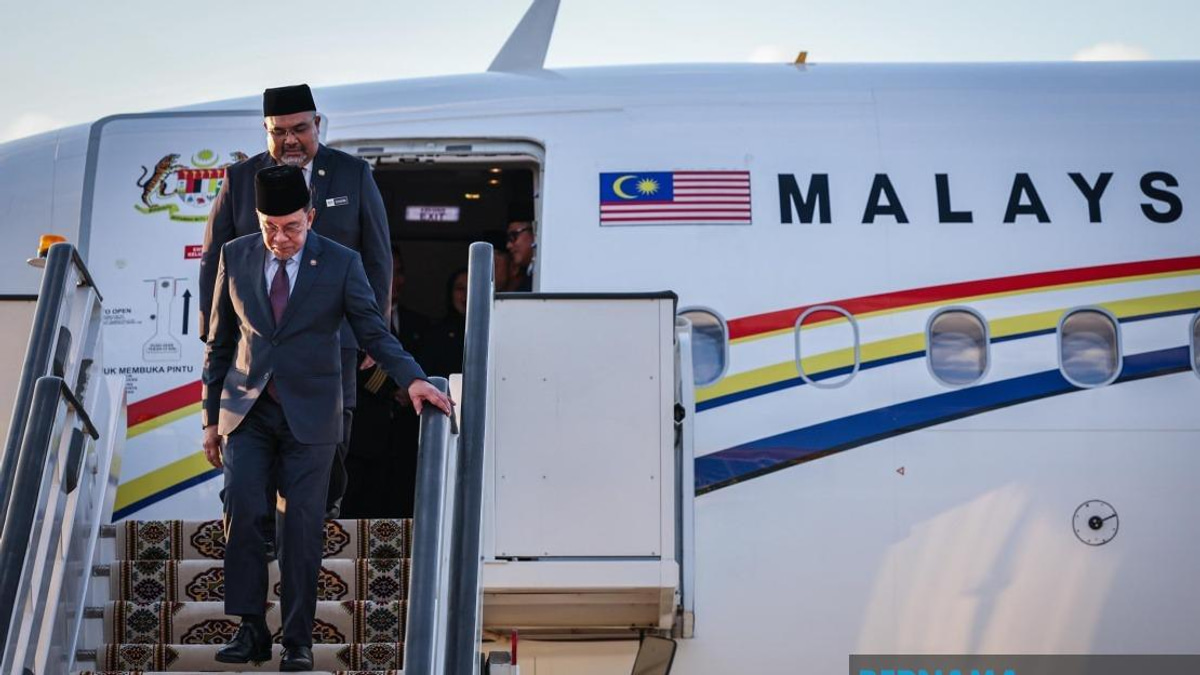
The forum represents just one component of a carefully orchestrated diplomatic schedule designed to elevate bilateral and multilateral engagement. Following his address to business participants, Anwar will attend the ASEAN-Russia Commemorative Summit Gala Dinner at the prestigious Tatar State Academic Theater, where he is expected to participate in a courtesy call with Russian President Vladimir Putin. These layered engagements signal Malaysia's commitment to maintaining high-level dialogue channels with Russia while navigating complex regional dynamics.
Kazan, the capital of the Republic of Tatarstan, serves as a symbolically important venue for these discussions. Situated at the confluence of the Volga and Kazanka rivers approximately 800 kilometres east of Moscow, the city commands a population of roughly 1.3 million residents and holds a distinctive position in the Russian federation. Often referenced as the nation's third capital after Moscow and Saint Petersburg, Kazan has evolved into a major cultural and economic centre. Its more than millennium-long history and prominence as a hub of Islamic culture and heritage give it particular relevance for ASEAN engagement, bridging Eastern and Western spheres while fostering dialogue between the Russian and Muslim worlds.
The timing of this year's summit carries added significance, coinciding with the 35th anniversary of ASEAN-Russia dialogue relations. The relationship traces back to 1991 when formal dialogue commenced, subsequently advancing through institutional development. Russia attained full ASEAN Dialogue Partner status in 1996, a milestone that formalised its position within the regional architecture. More recently, in 2018, the partnership was elevated to Strategic Partnership status, reflecting both organisations' commitment to expanding collaboration across political-security dimensions, economic cooperation, and socio-cultural exchange.
For Malaysia specifically, Russia occupies a strategic position within the broader trading landscape. In 2025, Russia ranked as Malaysia's ninth-largest trading partner among European nations, with bilateral trade reaching RM8.72 billion, equivalent to approximately USD2.04 billion. This substantial volume reflects decades of consistent commercial engagement and mutual economic interest. Malaysian exports to Russia concentrate heavily in electrical and electronic products, machinery components, equipment and spare parts, alongside processed food items. The reverse flow comprises primarily petroleum products, mineral resources, chemicals, and chemical-based formulations, demonstrating complementary trade patterns that benefit both economies.
At the multilateral level, ASEAN-Russia commerce demonstrates healthy momentum despite geopolitical headwinds. Total trade between the regional bloc and Russia reached USD18.1 billion in 2024, indicating sustained commercial vitality. Russian foreign direct investment in ASEAN economies amounted to USD92.97 million, equivalent to RM367.90 million, though this figure suggests considerable untapped potential for expanded capital flows. These numbers reflect both the depth of existing engagement and the strategic importance Southeast Asian policymakers attach to maintaining economic channels with Moscow.
The ASEAN-Russia partnership occupies a unique space within Southeast Asia's external relations architecture. Unlike engagement with Western powers where security alliances and alignment concerns predominate, the relationship with Russia is fundamentally pragmatic, rooted in economic complementarity and shared interests in regional stability. For Malaysia, this balance proves particularly valuable, enabling the country to pursue diversified international partnerships without creating unnecessary friction with other major stakeholders.
Anwar's participation in the Kazan forum demonstrates Malaysia's active approach to advancing this relationship beyond traditional diplomatic courtesies. As Finance Minister, his presence signals that economic development and financial cooperation merit high-level political attention. This positioning reflects Malaysia's broader strategic calculus: deepening engagement with Russia in sectors offering genuine value creation while maintaining equilibrium across a complex web of regional and global partnerships.
The business forum component of these proceedings deserves particular attention, as it provides tangible platforms for Malaysian enterprises to explore Russian market opportunities and establish commercial networks. Many Malaysian companies remain underexposed to Russian markets, representing a gap that targeted engagement at high-level forums like this can help address. Conversely, Russian investors and trading houses may discover untapped opportunities within Malaysia's dynamic economy and its position as a gateway to Southeast Asian markets.
Looking forward, Malaysia's active engagement at this commemorative summit reinforces its commitment to constructive, non-aligned diplomacy. In an era of heightened great power competition, ASEAN's ability to maintain productive relationships with multiple global powers represents a crucial asset. Malaysia, as a founding ASEAN member and respected voice within the bloc, plays a significant role in moderating regional positions and demonstrating that prosperity and stability depend on inclusive engagement rather than zero-sum competition.
The broader context of this forum underscores evolving regional priorities. Beyond traditional security concerns, Southeast Asian nations increasingly prioritise economic resilience, technological cooperation, and sustainable development partnerships. ASEAN-Russia engagement increasingly reflects these realities, with forums like the Kazan business conference creating structured opportunities for private sector participation and commercial relationship-building. For Malaysia, such platforms offer avenues to strengthen economic ties while contributing to regional architecture that accommodates diverse partnerships and reflects the principle that prosperity emerges through open, balanced international cooperation.