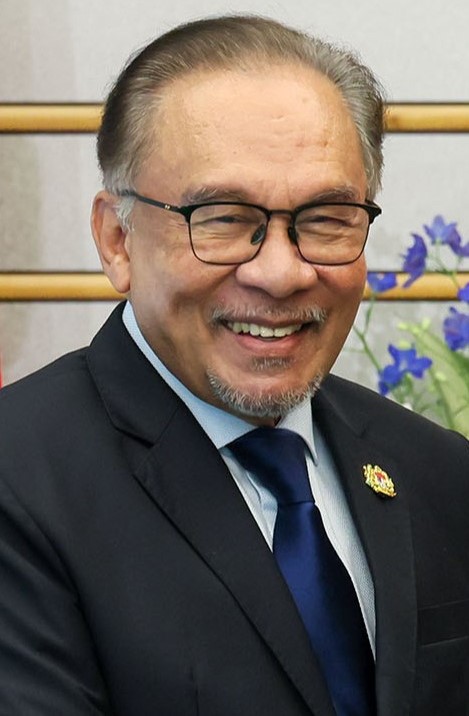
Prime Minister Datuk Seri Anwar Ibrahim is making his second appearance in Johor within three days, arriving in Segamat today to oversee two community engagement initiatives in the district located approximately 200 kilometres south of Johor Bahru. The visit underscores the government's sustained focus on the state ahead of the upcoming state election, with Anwar continuing efforts to connect with voters across different constituencies and demographic groups.
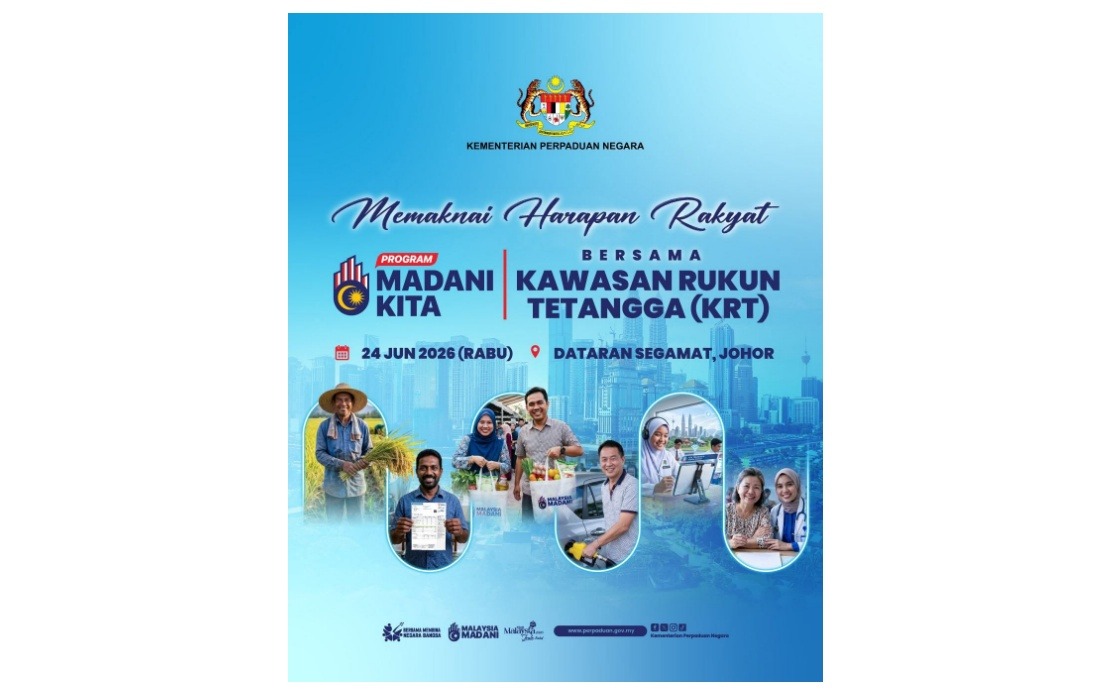
The centrepiece of today's itinerary is the official launch of the MADANI KITA programme, scheduled for 5 pm at Dataran Segamat in partnership with the area's Rukun Tetangga (KRT). This initiative reflects the government's broader strategy of leveraging neighbourhood associations as grassroots conduits for policy messaging and community mobilisation. The programme's design aims to foster greater social cohesion by strengthening interpersonal bonds among residents while simultaneously promoting awareness of government policies and development initiatives at the village level.
Following the formal ceremony, Anwar will transition to a more informal engagement, joining residents for the "Jom! Makan Durian" programme at Yayasan Bazaar in Segamat starting at 6.30 pm. This relaxed setting, centred around sharing the region's iconic durian harvest, demonstrates a calculated approach to political outreach—moving beyond formal platforms to create casual, everyday interactions where voters can engage with their prime minister in familiar social contexts. Such community-oriented events have become hallmark activities of Anwar's political strategy, blending governance visibility with accessible, culturally resonant gatherings.
Anwar's Segamat engagement follows his announcement of the full Pakatan Harapan candidate slate just days earlier in Bukit Gambir, Tangkak. The coalition will contest all 56 state seats in the Johor election with 20 candidates from PKR, 19 from Amanah, and 17 from DAP, representing the agreed distribution formula among the three parties. This candidate announcement marked a significant step in PH's electoral preparations, signalling the coalition's commitment to competitive positioning across the state's diverse constituencies.
The electoral timeline is now firmly established, with the Election Commission setting nomination day for June 27, early voting scheduled for July 7, and polling day designated for July 11. This compressed calendar means that candidates and parties have limited time to build momentum and secure voter support, making ground-level engagement activities such as today's Segamat visit strategically important. For Anwar personally, high-visibility campaign appearances reinforce his role as party leader and national figurehead while building grassroots connections essential for Pakatan Harapan's electoral prospects.
Segamat itself represents an important battleground in the Johor contest. As an inland district with significant agricultural interests and a mixed demographic composition, the area reflects broader socioeconomic divides and communal patterns found across Johor's interior constituencies. The dual-programme approach—blending formal policy communication through MADANI KITA with casual social engagement around durian—demonstrates political sophistication in addressing both substantive governance messaging and emotional connection with voters.
The MADANI KITA programme framework is particularly significant for understanding the government's community engagement philosophy. Rather than top-down policy dissemination, the initiative frames government-citizen interaction through the lens of neighbourhood strengthening and racial harmony. This positioning reflects lessons from previous electoral cycles and broader demographic sensitivities in Malaysian politics, where messaging centred on unity and local empowerment resonates across diverse voter groups.
For Malaysian readers, these developments carry implications beyond Johor's state politics. The scale and intensity of Anwar's campaign presence, coupled with the coalition's comprehensive candidate list, signal Pakatan Harapan's determination to make meaningful gains in a state traditionally dominated by other political forces. How voters respond to these engagement efforts—and whether grassroots activities translate into electoral support—will provide important signals about voter sentiment and coalition performance heading into potential future national electoral contests.
The compressed campaign calendar and multiple engagement activities also reflect the operational demands on a prime minister conducting active campaigning while managing national governance responsibilities. This balancing act remains a notable feature of Anwar's political strategy, with high-profile visits to key states complemented by ongoing federal administration. The Segamat programmes represent one instance in what will likely be an intensive campaign schedule across Johor through July 11, with continued emphasis on community-level engagement as the cornerstone of Pakatan Harapan's electoral approach in the state.