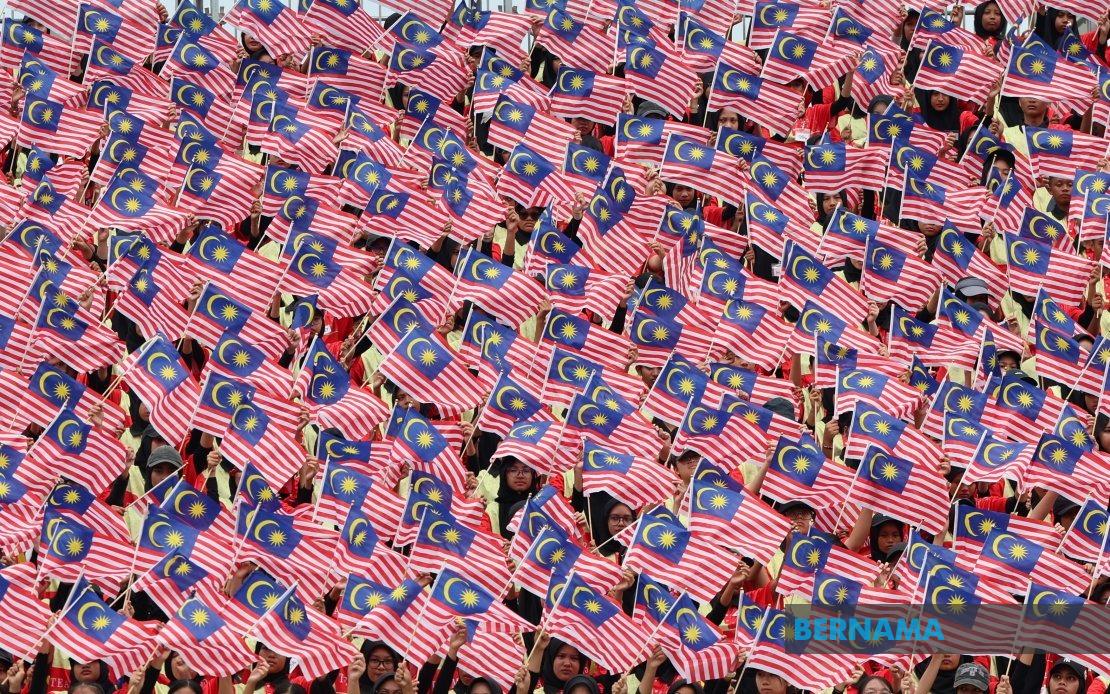
Prime Minister Datuk Seri Anwar Ibrahim is set to officially launch the 2026 National Month and Fly the Jalur Gemilang campaign on July 19 at the Sultan Azlan Shah Institute of Health Training in Tanjung Rambutan, Ipoh, an event anticipated to draw around 3,000 participants from various segments of the community.
The initiative forms part of the broader commemoration of National Day and Malaysia Day 2026, known locally as HKHM2026. The gathering will bring together representatives from the MADANI Community alongside trainees and personnel of the health training institute, creating a multisectoral platform for celebrating national pride. While the in-person attendance is limited to venue capacity, organisers have made provisions for wider public engagement through multiple broadcast channels and digital platforms.
According to Perak State Government officials, viewers unable to attend physically will have access to live coverage via Radio Televisyen Malaysia and Bernama television channels. The Ministry of Communications and the Department of Information Malaysia have also committed to streaming the event across their official Facebook pages, ensuring that citizens across the country can participate in the symbolic moment from their homes or workplaces.
To facilitate public access to comprehensive and reliable information surrounding the 2026 celebrations, the Ministry of Communications has established the Merdeka360 Portal as a centralised digital repository. This platform aggregates essential details regarding the festivities, serving as an authoritative source for Malaysians seeking updates on programming, themes, and participation opportunities. The creation of such a portal reflects the government's recognition that modern celebrations require integrated communication strategies spanning traditional and digital media.
A cornerstone of this year's campaign is the 1 Rumah 1 Jalur Gemilang initiative, which encourages households nationwide to display the Malaysian flag as a tangible expression of patriotism and national belonging. Perak officials have actively appealed to citizens to purchase and hoist flags in support of this symbolic movement, framing flag-flying as both a personal commitment and a communal responsibility that strengthens social cohesion during festive periods.
Alongside enthusiasm for display, authorities have emphasised the importance of maintaining the dignity and appearance of the national symbol. Officials have cautioned against flying flags that show signs of wear, discolouration, or physical damage, stressing that a tattered or faded flag undermines the reverence due to national insignia. This guidance reflects broader cultural sensibilities in Malaysia regarding the sanctity of state symbols and the standards expected of citizens when representing their nation. Proper flag maintenance thus becomes an extension of patriotic conduct itself.
Officials have encouraged Malaysians to extend the celebration beyond individual households by fostering enthusiasm within their immediate circles. The strategy involves engaging family members, neighbours, colleagues, and broader community networks to participate in flag displays, creating a cascading effect of patriotic expression across residential and commercial landscapes. This grassroots mobilisation approach recognises that national celebrations gain momentum when participation becomes normalised across multiple social domains rather than confined to official events.
Social media has been explicitly identified as a crucial channel for amplifying the patriotic message and mobilising younger demographics. Officials have called upon Malaysians to leverage their digital platforms to share images, stories, and messages celebrating the national occasion, thereby extending the reach of the campaign far beyond physical gatherings or traditional media. This digital strategy acknowledges shifting patterns of information consumption and community engagement, particularly among younger citizens who derive substantial portions of their news and cultural content from online sources.
The thematic framework for the 2026 celebrations centres on "Malaysia MADANI: Kesejahteraan Dinikmati," which translates to "Malaysia MADANI: Shared Prosperity." Communications Minister Datuk Seri Fahmi Fadzil announced that this theme, alongside the Malaysia MADANI logo, will serve as the defining visual and conceptual identity for the festivities extending into 2026. The choice of "shared prosperity" as a central motif reflects the government's emphasis on inclusive economic participation and societal wellbeing as cornerstones of national progress.
The official National Day ceremonies scheduled for August 31 will take place at Dataran Putrajaya, maintaining what organisers describe as a modest yet vibrant celebration. This deliberate scaling represents a departure from ostentation in favour of accessibility and substance, allowing broader participation whilst maintaining the ceremonial significance traditionally associated with the occasion. The balance between restraint and vitality suggests an official philosophy that national pride need not be expressed through grandiose displays but rather through sincere, widespread participation across society.
For Malaysian readers, these developments signify the government's commitment to embedding patriotic sentiment throughout civil society ahead of major national milestones. The 2026 celebrations, occurring during a significant period in Malaysia's political cycle, carry particular weight as opportunities to reinforce national cohesion and shared identity. The emphasis on digital participation and grassroots engagement indicates recognition that contemporary patriotism requires strategies extending beyond elite-driven ceremonial events to encompass active citizenship from ordinary Malaysians across diverse geographic and demographic categories.

