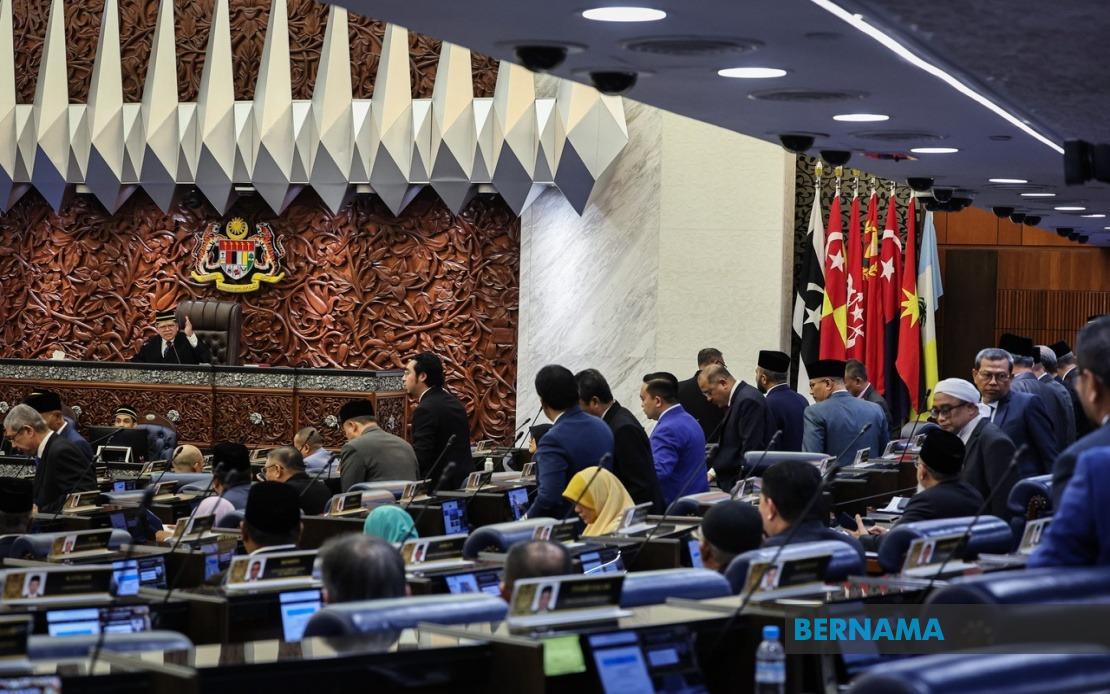
Parliament's special sitting to examine the Royal Commission of Inquiry report on Tabung Haji management descended into controversy when several opposition Members of Parliament staged a walkout, prompting sharp criticism from the Prime Minister's Senior Political Adviser. Tengku Datuk Seri Zafrul Tengku Abdul Aziz challenged the decision of lawmakers to absent themselves from deliberations on one of Malaysia's most significant concerns affecting Muslim and Malay economic interests, particularly the accumulated savings of ordinary Malaysians entrusted to the institution.
The 211-page RCI report, which examined Tabung Haji's management and operations between 2014 and 2020, was tabled by Minister in the Prime Minister's Department (Religious Affairs) Dr Zulkifli Hasan during the special parliamentary session. The investigation's findings had been withheld from public view until late July, when the government determined that transparency warranted its full disclosure. This decision to open the report to parliamentary scrutiny represented a significant moment for accountability regarding an organisation managing the pilgrimage savings of approximately 10 million contributors nationwide.
Tengku Zafrul's intervention through social media articulated a fundamental principle about parliamentary responsibility. His assertion that lawmakers should engage substantively with policy matters regardless of the Prime Minister's attendance reflects broader expectations of elected representatives to fulfil their legislative duties. The adviser questioned the logic of using the Prime Minister's absence as justification for disengagement, particularly when the subject matter transcended partisan considerations and touched the financial security of a substantial portion of the Malaysian population. This framing shifted the discourse from procedural grievances to substantive obligations.
Among those departing the chamber were prominent opposition figures, including Opposition Leader Datuk Seri Hamzah Zainudin and Perikatan Nasional chief whip Datuk Seri Takiyuddin Hassan. The Perikatan Nasional bloc's coordinated withdrawal signalled deliberate parliamentary tactics, though the underlying motivations remained contested. Tengku Zafrul's response suggested the walkout represented either a misreading of parliamentary conventions or a calculated political statement that risked appearing indifferent to matters of genuine public concern.
The scale of the Tabung Haji situation cannot be overstated within Malaysia's economic and social landscape. As one of the nation's most significant financial institutions managing pilgrimage savings and investment portfolios, revelations regarding management failures during the 2014-2020 period carried implications extending far beyond institutional governance. For millions of Muslim savers, many from modest income backgrounds, their accumulated contributions represented genuine financial security for future hajj pilgrimages or retirement benefits. Parliamentary scrutiny of how these funds were managed constituted a fundamental democratic accountability mechanism.
Tengku Zafrul's subsequent statements elaborated on the imperative for constructive parliamentary engagement. He encouraged MPs to utilise the sitting for questioning government decisions, advancing critical debate, and demanding factual justification for policy positions. This framing positioned legitimate opposition as distinct from ceremonial boycotts or performative disengagement. The adviser's reasoning suggested that parliamentary effectiveness depended on sustained engagement even when fundamental disagreements existed between government and opposition. Disagreement itself was presented as healthy and necessary, provided it operated through evidence-based argumentation rather than symbolic protest.
The Tabung Haji controversy represents a test case for Malaysian parliamentary conventions during increasingly polarised political circumstances. The RCI's investigation had presumably identified significant concerns warranting public knowledge and parliamentary examination. That substantial portions of the opposition chose withdrawal over substantive criticism raised questions about whether parliamentary institutions could function effectively amid deepening partisan divisions. The Dewan Rakyat session ostensibly offered an opportunity for transparent public reckoning with institutional failures, yet its disruption by the walkout truncated that democratic process.
For Malaysian observers and international observers of Southeast Asian democracy, the incident illuminates tensions between partisan opposition strategies and institutional parliamentary functions. Whether the opposition's absence reflected principled objection to government handling of the matter or reflected broader strategic choices regarding parliamentary participation remained somewhat unclear. Tengku Zafrul's intervention suggested the government view interpreted the walkout as counterproductive and potentially damaging to opposition credibility on matters of genuine public importance. His appeal to MPs as representatives of constituents holding Tabung Haji savings reframed the debate away from executive-legislative conflict and toward citizens' interests.
The timing of the RCI report's public release and parliamentary consideration reflected evolving transparency expectations within Malaysian governance. Earlier governments had kept similar inquiries confidential or delayed publication indefinitely. The decision to table the report before all MPs, permitting full parliamentary examination, represented a procedural step toward institutional accountability. Opposition participation in such deliberations, even from a highly critical posture, would have substantiated the transparency initiative and demonstrated parliamentary oversight functioning as intended.
Moving forward, the Tabung Haji management failures identified by the RCI will require legislative and regulatory responses from government. Parliamentary debate and opposition scrutiny potentially could have sharpened such responses, identifying gaps and proposing amendments. The walkout's consequence was removal of opposition voices from shaping potential reforms affecting an institution directly relevant to opposition-supporting constituencies. For Malaysians with savings in Tabung Haji, the parliamentary absence of opposition oversight may ultimately prove counterproductive to their interests.
Tengku Zafrul's remarks essentially repositioned the debate from personalised criticism of the Prime Minister toward institutional questions about parliamentary culture during politically fractious periods. His central argument—that MPs possess an obligation to engage substantively with matters affecting constituents regardless of other political considerations—articulates a vision of parliamentary responsibility that transcends partisan calculation. Whether this appeal influences opposition parliamentary strategy during future sittings remains uncertain, but the underlying tension between institutional function and political contestation it exposes will likely persist.

