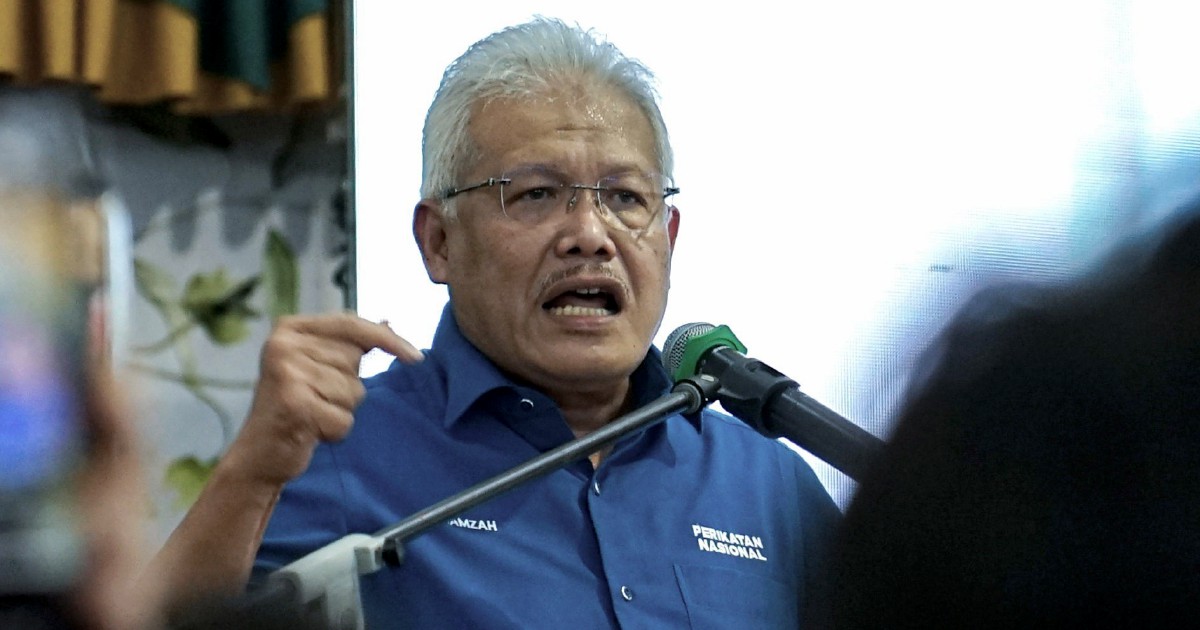
Perikatan Nasional (PN) has unveiled a unified electoral identity with Barisan Nasional (BN) by adopting the acronym 'PBN' for their coordinated campaign in the Negri Sembilan state election. The branding exercise represents a strategic move to streamline messaging and project a consolidated political front to voters in the central Malaysian state, with party officials framing the partnership as a natural alignment of political interests.
The decision to create a distinct acronym encapsulating both coalitions reflects the increasingly sophisticated approach Malaysian political alliances have taken toward voter engagement. Rather than campaign separately under existing BN or PN banners, the combined entity signals to the electorate a unified vision and shared governance agenda. This rebranding strategy mirrors similar coalition arrangements seen across Southeast Asia, where fractionalised political landscapes often require cross-coalition cooperation to secure sufficient parliamentary seats.
Negri Sembilan has historically been a Barisan Nasional stronghold, but the emergence of Perikatan Nasional as a serious electoral contender has forced traditional power brokers to recalibrate their strategies. The state assembly currently comprises 36 seats, and forming government requires a simple majority. By pooling their respective organisational resources and candidate networks under the PBN banner, the two coalitions aim to present voters with a compelling alternative to Pakatan Harapan, the ruling federal coalition.
The timing of this announcement carries broader implications for Malaysia's post-2023 political realignment. Since the last general election, the political landscape has undergone substantial upheaval, with unprecedented coalition formations and shifting factional loyalties becoming routine. The PN-BN arrangement in Negri Sembilan suggests that both entities have concluded they can achieve better electoral outcomes through cooperation rather than competition, a calculation that may reverberate through calculations for other state elections scheduled within the coming months.
For Perikatan Nasional specifically, the Negri Sembilan arrangement represents validation of its maturation as a coalition capable of negotiating at parity with established power structures. Formed relatively recently by consolidating smaller Islamist and Malay-nationalist parties, PN has sought to demonstrate it can govern effectively and attract pragmatic political partners. The willingness of Barisan Nasional—historically Malaysia's dominant political force—to adopt shared branding suggests both sides view each other as sufficiently credible and complementary partners.
Barisan Nasional's participation in the PBN construct reveals the federation's recognition that its traditional electoral machinery, once sufficient to guarantee dominance, now requires reinforcement through contemporary alliances. The historic coalition has faced erosion of support among urban constituencies and younger voters, while maintaining strongholds in rural areas and among older demographics. The inclusion of PN's organisational presence, particularly in rural Malay-majority constituencies, potentially addresses these demographic vulnerabilities.
The PBN acronym itself carries symbolic weight beyond mere abbreviation. By creating a new identity distinct from both parent coalitions, the arrangement establishes psychological separation from the political baggage each carries. Voters fatigued by long-standing factional disputes within Barisan Nasional or sceptical of Perikatan Nasional's relative inexperience might find the fresh branding more appealing than traditional labels. This phenomenon parallels successful rebranding efforts undertaken by political coalitions in other regional democracies seeking to reset voter perceptions.
Candidacy negotiations and seat allocation between PN and BN components in Negri Sembilan will test the durability of this arrangement. Coalition mathematics in state elections typically force difficult compromises, as both partners demand competitive constituencies for their respective party members. How effectively these organisations manage internal expectations while maintaining unity becomes critical to the partnership's credibility. Past Malaysian coalition experiments have foundered when seat-sharing disputes undermined public confidence in the arrangement.
The Malaysian state election cycle presents unique strategic opportunities for coalition experimentation. State contests permit parties to test electoral arrangements before committing to larger federal partnerships, and serve as proving grounds for coordinating machinery and messaging. The Negri Sembilan experience will undoubtedly inform calculations within both PN and BN regarding potential federal-level cooperation, should electoral mathematics necessitate coalition government formation after the next general election.
Regional observers note that such coalition formations reflect broader trends across Southeast Asia toward fluid, issue-based political alignments that depart from traditional left-right ideological spectrums. Malaysian politics has increasingly operated according to ethnic, religious, and factional calculations rather than programmatic platforms. The PN-BN arrangement underscores this reality—a partnership born of structural political mathematics rather than shared policy commitments or ideological affinity. Both coalitions simply recognise that joint electoral competition maximises their collective chances of governing Negri Sembilan.
The coming weeks will reveal whether PBN gains traction as more than mere administrative branding. Campaign effectiveness and voter reception will determine whether the new identity generates genuine momentum or remains a superficial organisational convenience. State election results in Negri Sembilan will offer crucial insight into coalition viability and provide template assessments for potential larger political restructuring nationally.

