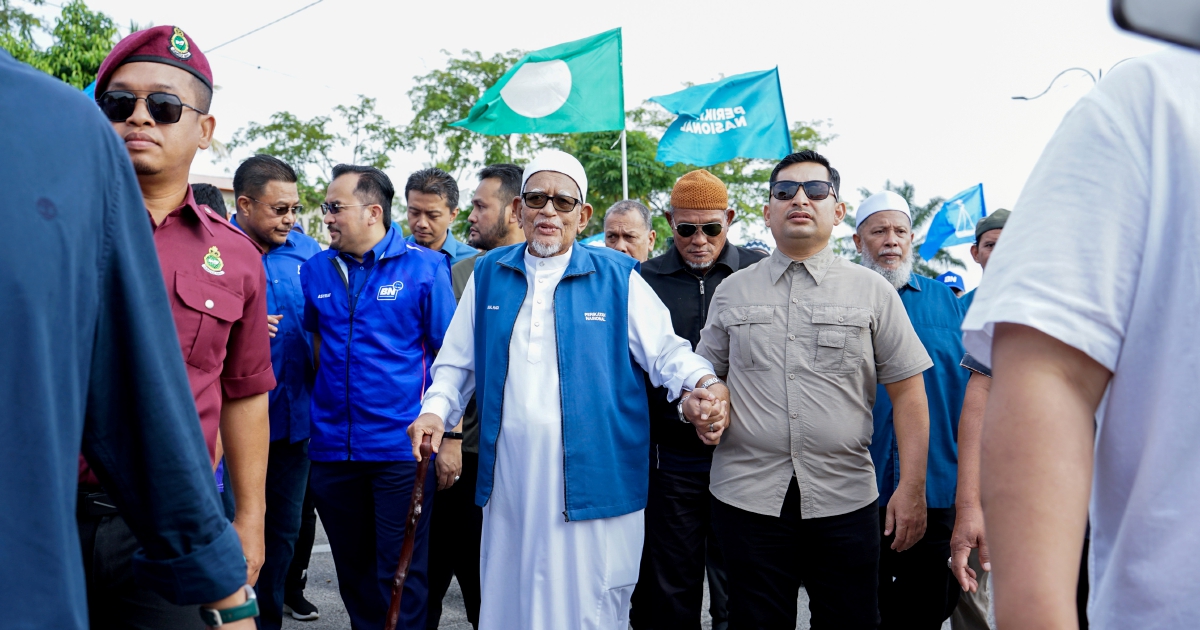
Perikatan Nasional and Barisan Nasional are in the midst of negotiations to settle the division of contested seats for the Melaka election, according to Pas president Tan Sri Abdul Hadi Awang. The discussions appear to be proceeding on track as both coalitions work to finalise their arrangements before polling day.
The ongoing talks underscore the delicate political balancing act required when two major coalition blocs seek to cooperate at the state level. Perikatan Nasional, which comprises PAS, BERSATU, and several component parties, has been attempting to expand its footprint beyond its traditional strongholds in the northeast. Barisan Nasional, the historically dominant coalition that governed Malaysia for decades, has sought to rebuild its credibility and electoral appeal after significant losses in recent years. Melaka represents an important testing ground for whether these two coalitions can work together constructively.
For Malaysian political observers, seat negotiations between rival blocs reveal much about shifting power dynamics and pragmatic coalition-building. The Melaka polls carry implications that extend well beyond the state's boundaries. The state has proven to be a bellwether for electoral trends, and the result could influence calculations for future national-level alliances. Both coalitions recognise that Melaka's outcome may shape perceptions about which partnership offers the most viable path to governance at the national level.
Historically, Melaka has been a mixed battleground. While Barisan Nasional has retained influence in the state, Perikatan Nasional and its predecessor blocs have gained traction in certain constituencies. The negotiation process highlights how both sides believe cooperation offers better prospects than contesting against each other. In Malaysian electoral mathematics, where no single bloc often commands an outright majority across all states, such arrangements have become increasingly common and necessary.
The specifics of seat allocations typically involve horse-trading based on several factors: historical performance in individual constituencies, perceived electability of candidates, and the relative strength of each coalition's component parties within the state. PAS, as the largest component within Perikatan Nasional, likely holds significant sway in determining how seats are divided between its partners. Similarly, within Barisan Nasional, UMNO and its allied parties would typically play decisive roles in determining their own internal distribution.
For voters in Melaka, seat allocation negotiations carry practical significance. The outcome will determine which candidates appear on ballots and which coalition controls resources and campaign momentum in each district. These decisions made in high-level talks often have cascading effects on grassroots campaign strategies and local political dynamics. Communities may see their representative candidates change or remain consistent depending on how these negotiations conclude.
The timing of Hadi's statement is notable. By publicly confirming that talks are ongoing, PAS's leadership appears to be signalling to party cadres and supporters that a resolution is imminent. This communication strategy serves multiple purposes: it demonstrates that Perikatan Nasional is a responsible coalition partner capable of reaching agreements, and it manages internal party expectations by framing negotiations as routine rather than contentious.
Seat negotiations in Malaysian state elections often require careful management of intra-coalition sensitivities. Smaller parties within each bloc frequently fear being marginalised or allocated unwinnable constituencies. These concerns can complicate discussions and occasionally derail agreements if not handled tactfully. The fact that negotiations are proceeding suggests that both Perikatan Nasional and Barisan Nasional leadership have maintained sufficient consensus and unity to prevent public squabbling that could undermine either coalition's electoral prospects.
From a Southeast Asian perspective, Malaysia's coalition politics represent a distinctive model of power-sharing and negotiated governance. While electoral systems in the region often produce outright majorities or clear winners, Malaysia's federal structure and diverse demographics frequently necessitate arrangements where multiple parties govern together. Observers from other Southeast Asian democracies sometimes study these mechanisms to understand how ethnically and religiously diverse nations manage competitive yet stable politics.
The Melaka election also occurs within a broader context of shifting national coalitions. Perikatan Nasional's attempts to work with Barisan Nasional at the state level, even while maintaining separate identities at federal level, reflect pragmatic recognition that electoral success often requires flexibility and willingness to cooperate on specific issues. This approach contrasts with more rigid ideological positioning and demonstrates how Malaysian politics increasingly emphasises issue-specific alliances rather than permanent antagonism.
Looking ahead, the successful completion of seat negotiations would reinforce the credibility of both coalitions. If they can reach equitable agreements and present unified campaigns, they may prove formidable in Melaka. Conversely, if negotiations stall or result in contested allocations that trigger internal dissatisfaction, the resulting discord could weaken their combined electoral performance. The coming weeks will be crucial in determining whether these discussions yield the stable arrangements necessary for effective campaign execution.
Both coalitions face pressure to demonstrate that they can govern responsibly. Melaka voters, like Malaysians generally, increasingly demand delivery on concrete issues: economic opportunity, infrastructure, healthcare, and education. Election negotiations and seat allocations matter primarily insofar as they produce representatives capable of addressing these concerns. The outcome in Melaka may therefore ultimately hinge less on the negotiation mechanics and more on which coalition convinces voters it can better manage state affairs and improve quality of life.

