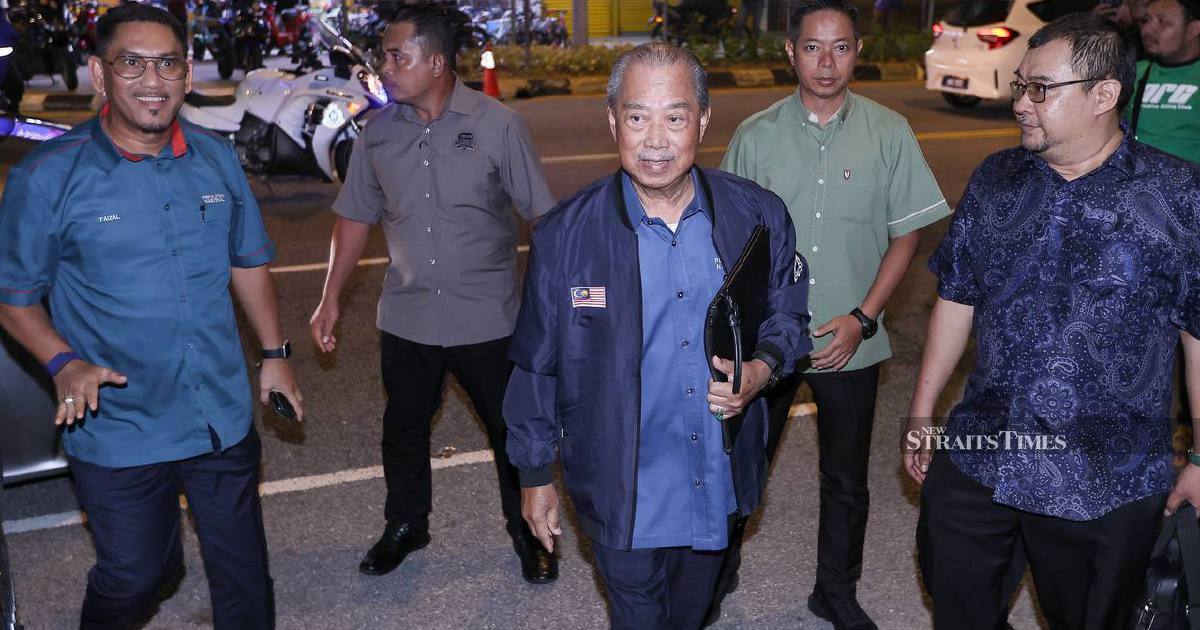
Perikatan Nasional leadership assembled at PAS headquarters in Kuala Lumpur for an emergency Supreme Council session, underscoring the coalition's confrontation with mounting challenges at a critical moment in Malaysia's political landscape. The unexpected gathering of senior figures from the Islamic-based opposition alliance reflects deepening strains that have tested the cohesion of one of Southeast Asia's most significant political formations.
The decision to call an urgent meeting demonstrates the gravity of circumstances facing PN, which emerged as the dominant opposition force in the 2022 general elections before experiencing substantial setbacks that diminished its parliamentary influence and regional foothold. The coalition, comprising PAS, Bersatu, and several smaller components, has experienced recurring friction over strategic direction, resource allocation, and the scope of collaboration with other opposition elements seeking to challenge Malaysia's ruling administration.
As an Islamic-anchored movement, PAS has long maintained ideological distinctiveness within PN, often prioritising religious governance frameworks and Islam-centric policy positions that occasionally diverge from Bersatu's more secular-leaning pragmatism. These philosophical differences have periodically surfaced during critical political moments, requiring intensive negotiation and consensus-building to maintain coalition stability. The emergency convening suggests that unresolved tensions have reached a threshold necessitating leadership intervention and collaborative problem-solving at the highest tier.
For Malaysian observers, the timing of such high-level assemblies carries significant implications regarding parliamentary dynamics and the trajectory of opposition politics ahead of potential electoral contests. PN's stability directly influences the broader opposition landscape, affecting how alternative visions for national governance gain traction among voters seeking change. Coalition fractures could redistribute parliamentary seats and alter the balance of forces in the Dewan Rakyat, potentially benefiting either incumbent administrators or rival opposition entities.
The regional context amplifies these developments, as Malaysia's political configurations influence ASEAN's stability and Southeast Asia's democratic trajectory. A fragmented opposition potentially strengthens executive authority in ways that regional observers monitor closely. Conversely, cohesive opposition movements contribute to competitive pluralism and institutional checks that characterise mature democracies within the regional community.
PAS leadership's decision to host the emergency session at its headquarters underscores the party's centrality within PN's architecture, despite periodic assertions of Bersatu dominance during certain political phases. The venue selection carries symbolic weight, affirming PAS's foundational role while potentially signalling its commitment to preserving coalition viability even amid disagreements over tactical matters or ideological emphasis.
The emergency nature of the gathering contrasts sharply with regularly scheduled council proceedings, suggesting that PN leadership confronts issues transcending routine administrative or policy matters. Whether these relate to parliamentary alliances, electoral preparation, internal party movements, or external pressures from competing political forces remains unclear from initial reporting, yet the scale of gathering itself indicates consequential deliberations.
Historically, opposition coalitions in Malaysia have experienced significant turbulence during periods of external pressure or internal leadership transitions, with emergency meetings frequently preceding announcement of strategic shifts, leadership realignments, or clarifications regarding coalition parameters. The PN gathering fits this established pattern, suggesting stakeholders anticipate significant communications or decisions emerging from the session.
For Malaysian political analysts, the meeting represents another chapter in PN's evolution since its 2022 breakthrough, when it captured the popular imagination as a viable governing alternative. The coalition's subsequent struggles—including defections, state-level setbacks, and competition from other opposition forces—have tested leadership resolve and organisational resilience throughout the intervening period.
The emergency session also reflects broader Southeast Asian patterns wherein opposition coalitions require constant recalibration to maintain viability amid shifting electoral calculations and evolving voter preferences. Regional democracies have witnessed numerous coalition dissolutions and reformations, suggesting that such emergency gatherings represent normal aspects of opposition politics rather than exceptional occurrences requiring alarm.
Moving forward, observers will scrutinise whether PN leadership emerges with strengthened unity and clarified strategic direction, or whether the session merely delays addressing fundamental structural tensions within the coalition. The credibility of PN's political offering depends substantially on demonstrating capacity for internal governance and consensus management—qualities that emergency meetings either reinforce or undermine depending on their outcomes and subsequent implementation.
The broader implications for Malaysian democracy hinge on whether PN consolidates its opposition role with enhanced coherence, or whether fragmentation accelerates, potentially benefiting alternative political configurations that Malaysian voters might consider as genuine alternatives to incumbent governance structures.