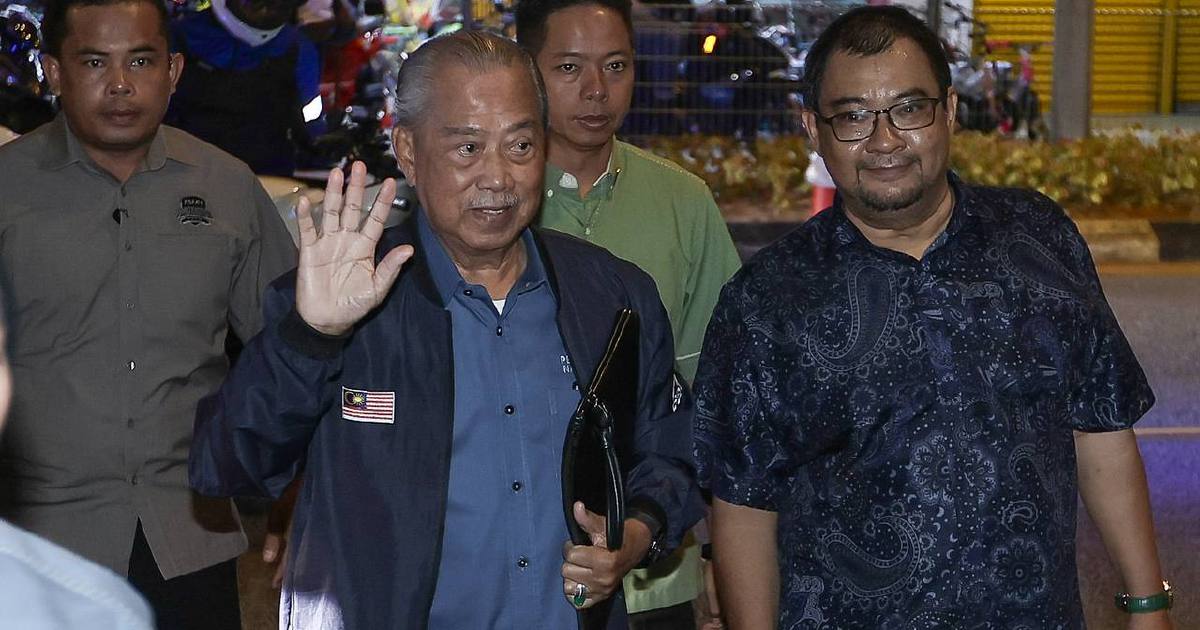
The Perikatan Nasional opposition coalition convened an emergency gathering of its Supreme Council in Kuala Lumpur, drawing sharp focus to the bloc's internal dynamics and future direction. The hastily arranged session, according to statements from the coalition leadership, prioritised broader coalition strategy and evaluating prospective new membership applications rather than examining the status of Bersatu, the Islamist party that forms a cornerstone of the PN structure alongside PAS and other constituent members.
The deliberate exclusion of Bersatu-related matters from the emergency agenda signals a calculated political approach by PN's top tier. By focusing the discussion on coalition expansion and strategic positioning, the leadership appears to be navigating around what many observers regard as a sensitive internal matter. The timing of such an emergency session typically suggests urgency on the coalition's part, yet the choice to compartmentalise discussions indicates an effort to manage competing priorities and potential fractures within the opposition bloc.
Bersatu, historically significant as the vehicle for former Prime Minister Mahathir Mohamad before coming under the stewardship of Muhyiddin Yassin, occupies a complex position within Malaysian opposition politics. The party's relationship with other PN components has undergone various iterations, shaped by shifting electoral alliances and differing ideological emphasis between secular-nationalist and Islamist wings of the coalition. The absence of direct discussion about Bersatu's future membership or role raises questions about whether unresolved tensions exist beneath the surface of the opposition bloc's public facade.
Coalition-building remains a critical preoccupation for PN as it seeks to strengthen its electoral appeal ahead of any forthcoming general election. The focus on evaluating new membership applications suggests the bloc views expansion as strategically valuable, potentially indicating an attempt to broaden its appeal beyond its core constituencies. This forward-looking stance contrasts notably with what appears to be a postponement of internal accountability discussions, a dynamic that frequently characterises Malaysian political coalitions attempting to maintain public unity while managing private disagreements.
The timing and composition of emergency meetings often reveal much about a coalition's priorities and internal health. By addressing external expansion while deferring internal member discussions, PN's leadership communicates both ambition and caution—a recognition that the opposition bloc has growth potential but also acknowledges complexities that require separate handling. Such bifurcated agendas frequently emerge when coalitions face pressure from multiple directions simultaneously.
For Bersatu specifically, the exclusion from direct discussion might represent either a deliberate shelving of contentious issues or a signal that the party's position remains secure enough not to require immediate clarification. The Islamist party has maintained significant organisational capacity and electoral representation, particularly in states like Kedah and Terengganu, making it difficult for PN to sideline without substantial cost. However, the party's periodic shifts in alignment and strategic direction have occasionally created friction within the broader opposition apparatus.
The PN coalition's internal architecture reflects broader challenges facing Malaysian opposition politics. Multiple parties with differing policy emphases and organisational structures must coordinate strategy and messaging while preserving individual party interests. This balancing act becomes more delicate when coalitions attempt simultaneous expansion—courting new members while managing existing ones—without explicitly addressing potential conflicts or overlapping territorial or ideological claims.
Regional implications of PN's coalition trajectory merit consideration for Malaysian politics writ large. A strengthened opposition coalition could present a more formidable electoral challenge to the current government, particularly if the bloc successfully integrates new members while maintaining internal cohesion. Conversely, unresolved tensions over individual member status could undermine such consolidation efforts, allowing government-aligned parties to exploit divisions through targeted recruitment of dissatisfied component members.
The Supreme Council's focus on expansion and coalition matters also reflects pragmatic assessment of current political conditions. Rather than engaging in potentially divisive internal reviews, PN's leadership appears to prioritise demonstrating forward momentum and organisational vitality. This approach carries risks—unaddressed tensions rarely dissipate and often intensify—but may reflect judgement that the moment for external-facing activity outweighs the returns from internal consolidation discussions.
Observers of Malaysian opposition politics will likely monitor whether Bersatu-related issues resurface at subsequent PN meetings or whether they remain deliberately shelved. The coalition's trajectory in coming months, including its ability to integrate new members while maintaining internal stability, will substantially determine whether it can genuinely threaten government dominance. The emergency meeting's agenda choices therefore carry implications extending well beyond procedural matters, touching on whether the opposition coalition possesses sufficient internal discipline and alignment to function as an effective governing alternative.