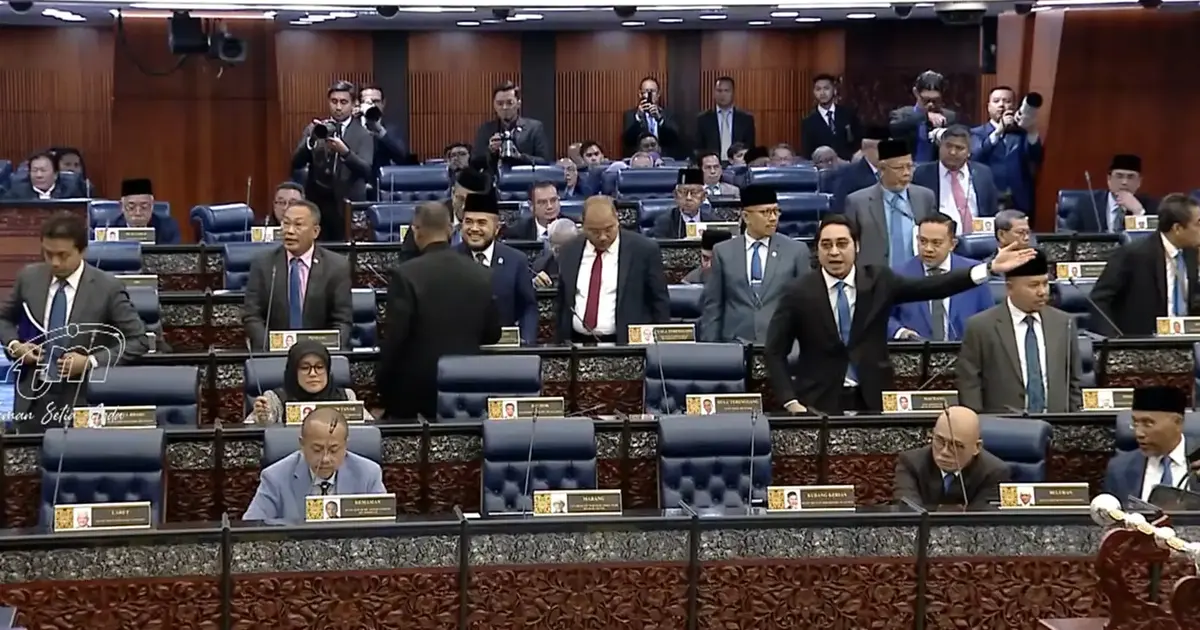
Members of Perikatan Nasional walked out of the Dewan Rakyat after the speaker declined their request to reschedule a specially convened sitting, deepening parliamentary tensions over procedural matters and political representation. The opposition coalition had argued that the session should only proceed once the prime minister was available to participate in proceedings, viewing his absence as undermining the legitimacy and purpose of the gathering.
The walkout represents a significant show of parliamentary dissent and highlights ongoing friction between the government and opposition blocs over the conduct of legislative business. By withdrawing from the chamber, PN members signalled their rejection of what they perceived as an arbitrary scheduling decision that sidelined a key stakeholder in parliamentary debate. Such coordinated departures, though dramatic, remain a recognised if uncommon tactic for expressing institutional disagreement in Malaysia's Westminster-style system.
Perikatan Nasional's position rests on the principle that a sitting of national importance ought to accommodate the head of government, particularly when substantive policy matters or confidence votes are anticipated. The coalition has framed its stance as defending parliamentary integrity rather than obstructing business, arguing that meaningful legislative sessions demand full executive participation. This framing attempts to recast what opponents might characterise as obstruction into principled institutional advocacy.
Notably, Bersatu, a coalition partner within Perikatan Nasional's broader structure, did not join the walkout, creating a visible fracture within the opposition bloc. This divergence suggests internal disagreements over tactics and priorities, with some factions potentially viewing the walkout as counterproductive or preferring to engage through other means. Such splits can weaken collective opposition leverage and indicate shifting alignments within Malaysian parliamentary politics.
The speaker's refusal to postpone underscores the independence of Malaysia's parliamentary presiding officers, who exercise considerable discretion over the scheduling and conduct of legislative sessions. Speakers in the Malaysian Parliament hold significant institutional power and traditionally maintain political neutrality, though their decisions inevitably generate controversy from various quarters. The speaker's resolve to proceed despite PN's objections demonstrates commitment to parliamentary continuity and suggests the sitting addresses matters deemed too urgent to defer.
This episode reflects broader tensions inherent in Malaysia's political landscape following recent electoral outcomes and shifting coalition dynamics. The relationship between government and opposition remains contested, with disagreements over procedural matters often masking deeper policy or constitutional disputes. Walkouts and parliamentary manoeuvres have become increasingly common as political actors compete for influence and attempt to shape parliamentary narratives.
For Malaysian observers, the incident raises questions about the effectiveness of such protests in advancing political objectives. While walkouts generate media attention and demonstrate party solidarity, their practical impact on legislative outcomes remains questionable. The sitting proceeded regardless, suggesting that symbolic opposition lacks the coercive power to halt parliamentary business when the speaker and government majority remain determined to proceed.
The absence of the prime minister from the sitting, whether by choice or necessity, inevitably affects parliamentary dynamics and public perception of the government. Opposition parties gain rhetorical ammunition from executive absenteeism, while the government must explain the prime minister's unavailability to the public and media. Such explanations often prove politically costly, particularly if the sitting addresses confidence matters or significant policy announcements.
Regionally, Malaysia's parliamentary conduct attracts attention from other Southeast Asian democracies grappling with similar institutional challenges. The country's relative parliamentary stability, despite periodic crises, offers lessons in how Westminster systems navigate political turbulence. However, escalating parliamentary confrontation and procedural disputes risk eroding the consensus that underpins legislative functionality.
Looking forward, the PN walkout signals that opposition blocs will continue employing parliamentary tactics to challenge government decisions and assert their institutional presence. Whether such tactics prove effective or merely performative depends on broader political developments, voter sentiment, and the government's ability to maintain its parliamentary majority. Future sittings will likely witness continued jostling over procedural matters as Malaysia's competitive political environment intensifies.
The incident ultimately underscores that Malaysian Parliament remains an arena of genuine contestation where procedural rules, constitutional powers, and political calculations interact dynamically. The speaker's authority, the government's majority, and the opposition's capacity for disruption create ongoing tension that defines contemporary Malaysian legislative politics. Understanding these dynamics remains essential for tracking the country's political trajectory and institutional health.

