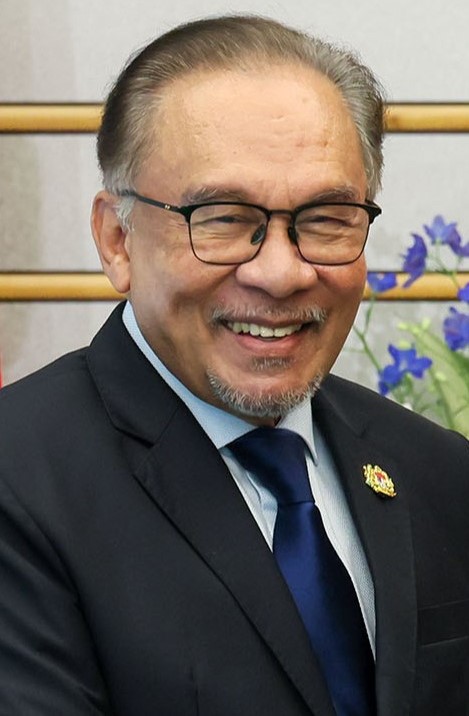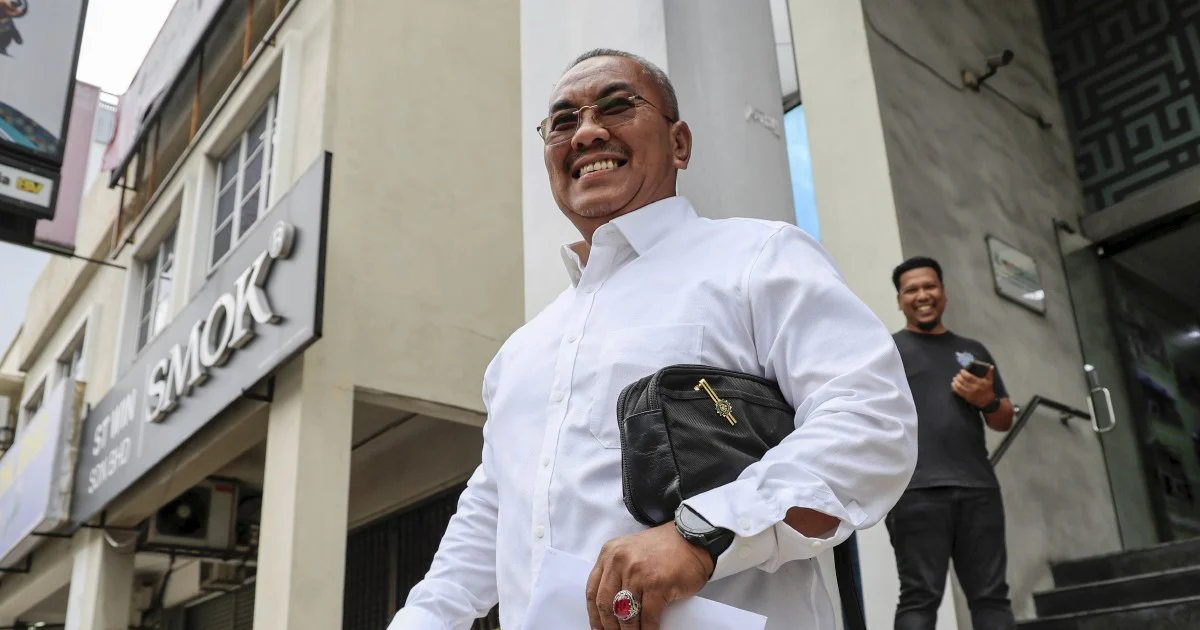
Perikatan Nasional's election machinery has moved past a critical internal hurdle with the completion of seat negotiations for the upcoming Johor state election. Datuk Seri Sanusi Md Nor, steering the coalition's electoral preparations in his capacity as PN election director, confirmed on Monday that all outstanding disputes over candidate allocation have been settled, clearing the path for formal candidate announcements.
The resolution of 34 overlapping seats represents a significant achievement for the opposition-aligned coalition, which has faced increasing internal tensions as its member parties compete for stronger footholds in states traditionally contested among multiple political forces. Johor's electoral landscape has historically been a testing ground for coalition stability, given its size and political significance within the larger Malaysian context. The state sends 56 representatives to the state assembly, making it a high-stakes arena where seat allocation decisions directly influence each party's representation and influence within the coalition itself.
PN's internal negotiations highlight the delicate balancing act required when independent political parties with distinct voter bases must operate under a common electoral banner. The coalition comprises Parti Islam Se-Malaysia (PAS), Bersatu, Gerakan, Perikatan Nasional, and other smaller partners, each bringing different regional strengths and support networks to the alliance. In Johor specifically, these parties have traditionally competed with both Barisan Nasional and Pakatan Harapan, making seat allocation exercises particularly complex as coalition leaders must weigh historical performance, local party machinery, and electoral viability of individual candidates.
The successful conclusion of these negotiations suggests that PN's leadership has managed to broker compromises acceptable to the larger parties within the coalition, though the specific terms and concessions offered remain undisclosed. Such internal arrangements typically involve trading constituencies between parties, with stronger partners in particular regions ceding certain seats to coalition members seeking growth opportunities. Sanusi's announcement indicates that party presidents and senior negotiators have achieved sufficient consensus to move forward, though underlying tensions may resurface during campaign activities or if electoral performance disappoints coalition expectations.
For Malaysian political observers, PN's ability to maintain internal cohesion during seat negotiations carries broader implications for opposition politics in the country. A fractured coalition entering state elections risks splitting anti-government votes across multiple candidates in individual constituencies, inadvertently benefiting the ruling coalition. Conversely, a united PN presence in Johor could galvanise opposition supporters and potentially challenge BN's traditional stronghold in the state, depending on voter sentiment and campaign effectiveness across both coalitions.
The timing of the announcement also reflects PN's need to accelerate preparations as state election dates remain uncertain. Malaysian state elections can be triggered by multiple factors, including dissolution of the state assembly or completion of the incumbent administration's term. With negotiations concluded, PN can now focus on candidate vetting, campaign infrastructure development, and voter outreach programmes—critical activities that require substantial lead time in a competitive electoral environment.
Johor's electoral dynamics have shifted considerably over recent years, with Pakatan Harapan making significant inroads alongside PN's emergence as a credible opposition force. The 2022 general election saw PN making substantial gains nationwide, though its performance in individual states varied significantly. In Johor, the coalition will need to capitalise on any anti-incumbency sentiments while maintaining internal party discipline to avoid public disputes that could undermine its election message.
Sanusi's role as election director positions him as a key architect of PN's electoral strategy across multiple upcoming contests. Beyond Johor, the coalition faces election cycles in other states, and the precedent established through Johor negotiations may influence how future seat disputes are resolved. Successful compromise in this instance could establish templates for coalition management that prove valuable as PN navigates the complex landscape of Malaysian electoral politics over the coming months.
The resolution of overlapping seats also permits PN to present a unified candidate list to voters, reducing confusion that arises when multiple candidates from the same coalition compete in single constituencies. Clear candidate allocation strengthens PN's electoral messaging and demonstrates coalition coherence to voters evaluating whether to support the alliance. Furthermore, it allows individual parties to focus campaign resources on assigned constituencies rather than expending energy on internal competition with coalition partners.
Looking ahead, PN's performance in the Johor election will serve as a barometer for coalition strength heading into potential federal election campaigns. Strong electoral results would validate the coalition's electoral strategy and strengthen the position of parties like PAS and Bersatu within the broader opposition movement. Conversely, disappointing outcomes could reignite disputes over seat allocation and coalition direction, potentially unravelling the compromises carefully negotiated through these concluded talks.