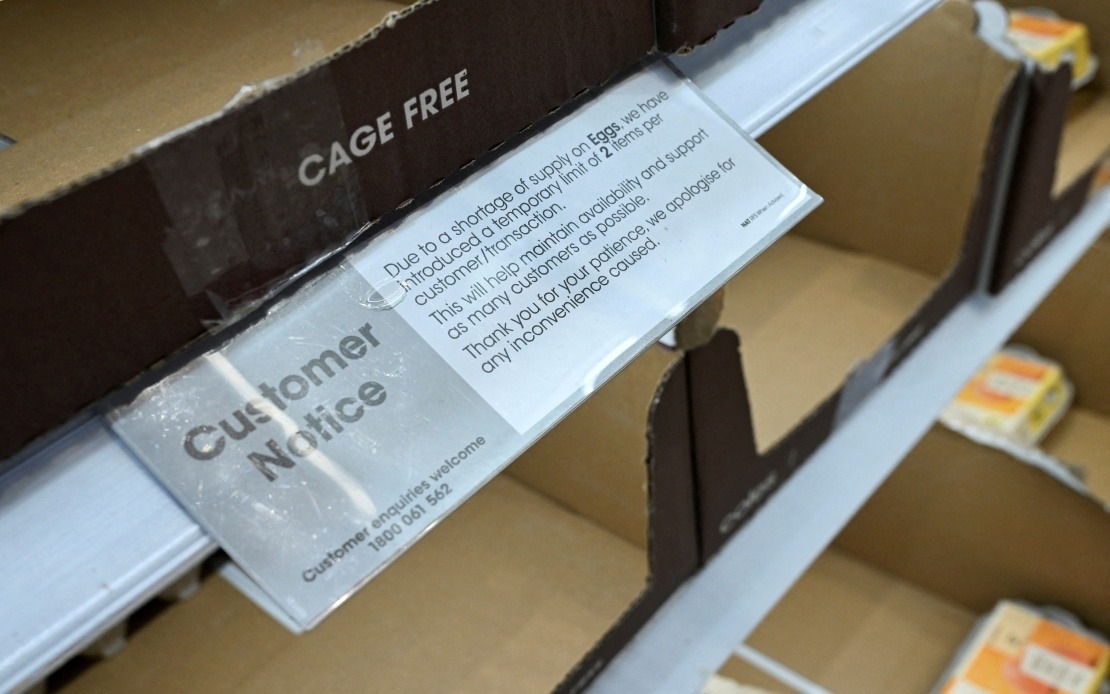
Papua New Guinea has moved swiftly to protect its poultry industry by imposing a blanket suspension on all chicken meat, poultry products, and eggs imported from Australia. The decision by PNG's National Agriculture and Quarantine Inspection Authority came after authorities detected two cases of the highly pathogenic H5N1 avian influenza strain in Western Australia. The import restrictions took effect on Monday, according to a notice issued by Australia's Department of Agriculture, Fisheries and Forestry (DAFF) on Tuesday.
The detection of H5N1 in Western Australian wildlife has triggered a cascade of trade barriers that underscore the delicate balance nations must maintain between protecting domestic food security and maintaining regional commerce. While Australian authorities maintain that the country continues to meet international standards set by the World Organisation for Animal Health (WOAH) for poultry exports, PNG has chosen to err on the side of caution. This approach reflects growing regional anxiety about disease transmission through the supply chain, particularly given the proximity of the two countries and existing trade dependencies.
The economic implications are substantial. Australia exported A$133 million worth of chicken meat in the 2023-24 financial year, marking a record for the nation's poultry sector. PNG alone accounted for A$60 million of this figure, representing nearly half of Australia's chicken meat export value. For Australian producers reliant on this market, PNG's import suspension represents a significant blow to revenue streams and market planning. The timing compounds concerns, as poultry represents an increasingly important protein source for developing economies across the Pacific region.
Australia's largest poultry producer, Ingham's, has taken preemptive action to mitigate potential spread. The company announced a comprehensive lockdown of its entire Western Australian operations, implementing strict biosecurity protocols to contain any risk of disease transmission. Such measures demonstrate the seriousness with which the industry views the H5N1 threat and the potential for cascading economic damage if the virus were to establish itself in commercial poultry stocks. Ingham's response also signals to other trading partners that Australia is taking active steps to manage the outbreak.
Julie Collins, Australia's Minister for Agriculture, Fisheries and Forestry, has moved quickly into diplomatic engagement with PNG authorities. Speaking to the Australian Broadcasting Corporation on Wednesday, Collins emphasized that the federal government is working directly with PNG to restore market access. She outlined the government's commitment to providing trading partners with necessary assurances about Australia's poultry safety status. This high-level political engagement underscores the importance of the PNG trade relationship and the government's determination to resolve the dispute promptly.
The H5N1 detection in Western Australia adds to mounting concerns about avian influenza across the Indo-Pacific region. The strain represents a particular threat due to its lethality and potential for transmission. While the cases detected in Australia thus far have been in wildlife populations rather than commercial poultry operations, trading partners view any presence of the virus as grounds for precautionary measures. PNG's decision reflects this prevailing risk-averse stance among regional nations attempting to protect their own agricultural sectors.
For Malaysian readers and Southeast Asian observers, this incident illuminates the fragility of regional food supply chains and how a single disease detection can rapidly disrupt trade relationships and threaten livelihoods across interconnected economies. The Pacific and Southeast Asian regions share similar climatic conditions that favor avian influenza transmission, and many countries here depend significantly on poultry imports from Australia and other suppliers. PNG's action may signal a broader shift toward stricter import protocols among regional trading partners concerned about disease introduction.
The suspension also highlights the tension between maintaining international trade standards and implementing domestic protective measures. Australia's assertion that it remains compliant with WOAH standards may technically be correct, yet individual nations retain the sovereign right to impose additional restrictions based on their own risk assessments. This creates a complex landscape where trade disputes may arise not from Australia's failure to meet international benchmarks, but from individual nations' varying thresholds for acceptable risk.
Resolution of this trade dispute will require Australia to demonstrate either that the H5N1 cases in Western Australia pose no threat to commercial poultry operations, or that comprehensive containment measures have eliminated any transmission risk. Collins's diplomatic outreach suggests confidence in achieving rapid restoration of market access, though the timeline remains uncertain. In the interim, Australian producers face potential inventory challenges and lost market opportunities, while PNG consumers may face reduced chicken supply or higher prices as alternative sources are sourced.
The broader regional implications extend beyond the immediate Australia-PNG relationship. Other Southeast Asian importers of Australian poultry may be monitoring developments closely, potentially adopting similar restrictions if the H5N1 situation in Western Australia is perceived as worsening. This could fragment trade flows across the region and create pressure on alternative suppliers. For Malaysia, which imports poultry products from multiple sources, the situation underscores the importance of maintaining diversified supply chains and robust biosecurity frameworks to protect domestic producers and ensure food security.

