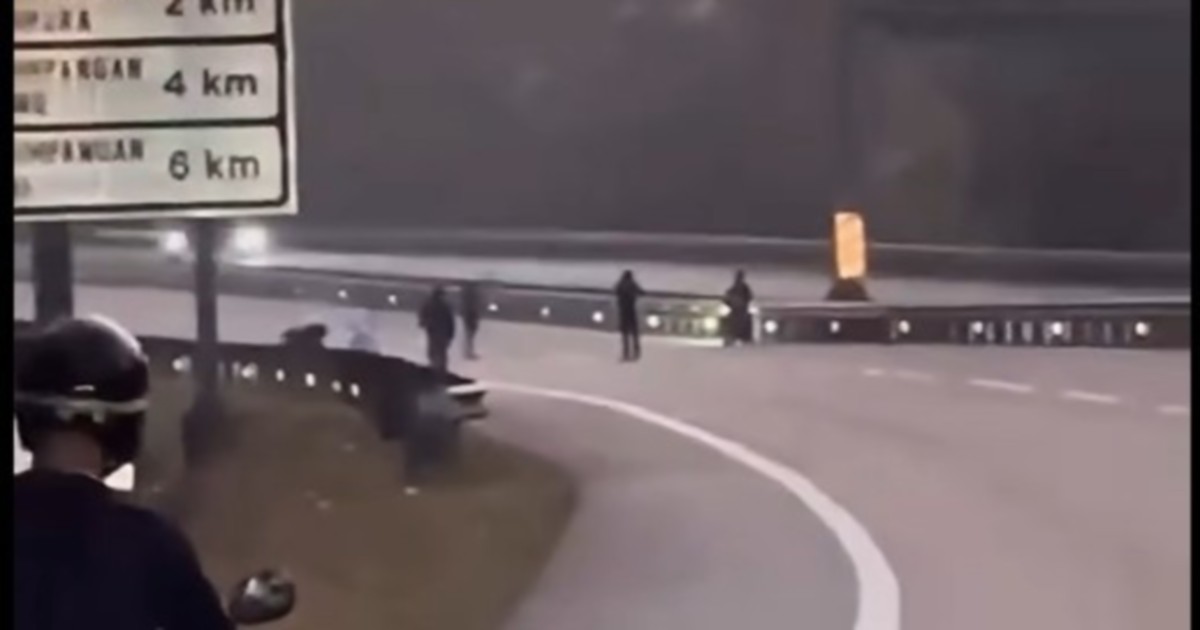
A fresh round of arrests has intensified enforcement efforts against dangerous street racing activities in Johor, with three more men remanded in custody over involvement in an illegal motorcycle race staged on the Second Link highway. The detention of these individuals brings the cumulative arrest tally to 11 as authorities pursue a comprehensive investigation into the incident.
The Second Link, a critical highway corridor connecting Johor Bahru to Singapore, has long served as a transit route for thousands of commuters daily. Its wide stretches and relatively clear lanes during off-peak hours have unfortunately made it attractive to illegal racing enthusiasts seeking venues for unsanctioned speed competitions. Such activities pose severe public safety risks, endangering not only the participants but also innocent road users who may encounter these reckless drivers.
The escalating series of detentions suggests police are methodically working through layers of involvement in the racing operation. Initial arrests likely captured core organisers and key participants, while subsequent waves may be targeting peripheral figures including spectators, lookouts, and potential financial beneficiaries. This comprehensive approach indicates a determination to dismantle the entire network supporting such illegal activities rather than merely addressing surface-level offenders.
Motorcycle racing on public highways remains a persistent law enforcement challenge across Malaysia and the wider Southeast Asian region. Beyond the immediate danger posed by extremely high speeds in uncontrolled environments, these events frequently attract gambling elements and may involve stolen vehicles or unregistered motorcycles. The social costs extend beyond potential accidents to include resource allocation, as police must divert personnel and equipment to manage such incidents.
Johor authorities have intensified road safety campaigns in recent years, particularly along major expressways and federal routes where such activities tend to concentrate. The Second Link, as a designated international gateway, receives particular scrutiny given its significance for regional connectivity and the reputational implications of safety incidents on such prominent routes. Consistent enforcement messaging is essential to deter would-be participants who might otherwise view the consequences as unlikely.
For Malaysian motorists regularly traversing these highways, awareness of potential illegal racing activities remains important for personal safety. The unpredictability of street racers—who operate without regard for traffic regulations or other road users—creates hazardous conditions that defensive driving alone cannot fully mitigate. Public cooperation in reporting suspicious gatherings and dangerous behaviour patterns supports police intelligence-gathering operations.
The remanding of suspects allows investigators extended time to pursue forensic analysis, financial transaction tracking, and witness interviews. Each detained individual represents an opportunity to gather intelligence about the financing, organisation, and participation networks underpinning these events. Such investigations often reveal connections to broader crime ecosystems involving vehicle tampering, insurance fraud, or organised gambling syndicates.
International cooperation frameworks have become increasingly relevant to combating cross-border racing culture in Southeast Asia. The geographical proximity of the Second Link to Singapore means some participants or organisers may have transnational connections, requiring coordination between Malaysian and Singaporean authorities. Intelligence sharing about recurring suspects, vehicle details, and organisational patterns enhances the effectiveness of enforcement on both sides of the border.
The consequences for convicted offenders in motorcycle racing cases can be substantial under Malaysian traffic and penal codes. Charges may encompass dangerous driving, breach of vehicle regulations, and potentially organised crime legislation depending on the scale and structure of activities. The involvement of 11 individuals suggests this was not merely a spontaneous gathering but rather a planned event, potentially elevating the severity of applicable charges.
Longer-term solutions require addressing the underlying attractions of illegal racing through alternative outlets. Some jurisdictions have experimented with licensed track facilities, racing schools, and legal motorsport events that channel enthusiasm toward regulated environments. Malaysia's motorsports industry, though smaller than regional neighbours like Thailand or Singapore, has capacity for expansion that could redirect dangerous street racing energies into legitimate competitive channels.
For the Malaysian motoring public, this enforcement action represents a visible commitment to highway safety standards. The cumulative effect of consistent arrests and prosecution serves as deterrent messaging beyond individual cases. However, sustained success requires not merely periodic crackdowns but continuous presence, community engagement, and infrastructure improvements that reduce the appeal of public highways as racing venues.
The investigation remains ongoing as police continue processing evidence and conducting interrogations. Additional arrests remain possible as the investigation deepens and new information emerges from detained suspects. The outcome will likely inform future policing strategies regarding organised illegal racing activities along major Malaysian expressways.

