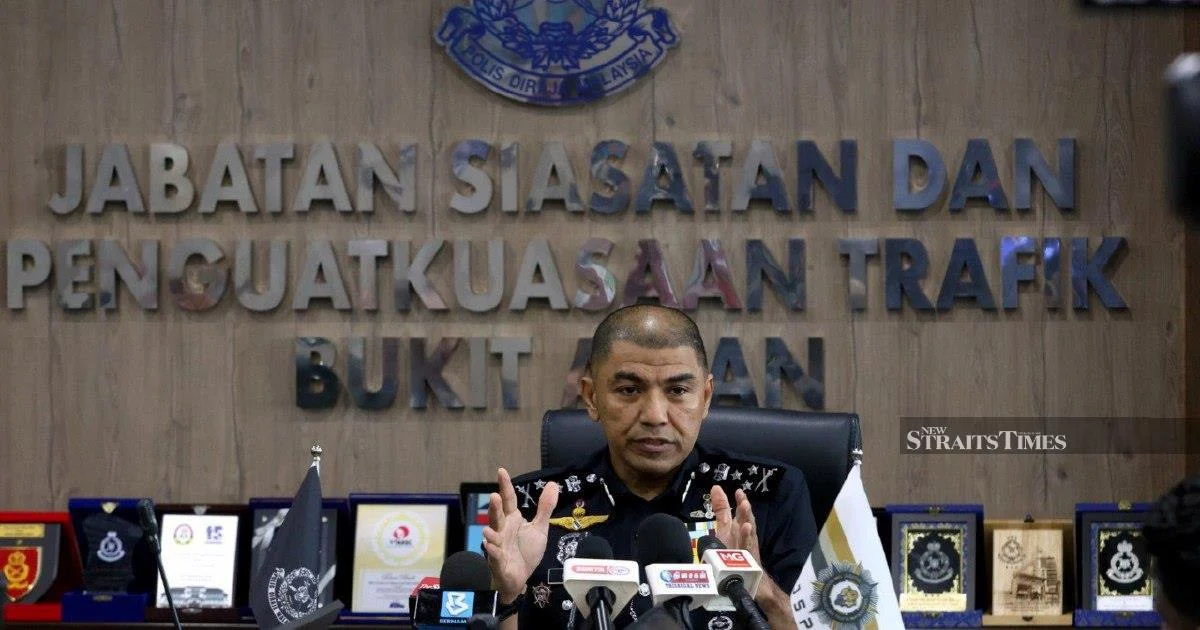
Malaysian police have rounded up 121 commercial vehicle operators on suspicion of driving while impaired by drugs, according to results from an intensive three-month enforcement campaign conducted across the country. The scale of the crackdown underscores mounting official anxiety about substance abuse among the drivers responsible for transporting goods and passengers on Malaysia's roads.
The arrests were made as part of a coordinated national initiative to combat impaired driving, a practice that poses serious safety risks given the size and weight of commercial vehicles. Heavy trucks and buses travelling at speed when operated by impaired drivers create elevated hazards for other motorists, pedestrians, and the drivers themselves. The police operation targeted this vulnerable sector specifically, deploying enhanced roadside screening procedures and intensified patrols on major commercial routes.
Concerns about drug-impaired commercial driving have grown as authorities observe patterns of substance consumption among operators seeking to manage fatigue during long-haul journeys. Stimulants and other drugs are sometimes used by drivers attempting to maintain alertness on extended routes, a particularly acute issue given Malaysia's significant logistics industry and the reliance on road transport for regional trade. The prevalence of such behaviour has prompted law enforcement to prioritise this demographic in recent anti-drug operations.
The three-month period of enhanced enforcement reflects a strategic shift toward prevention and detection of drug use at the point of vehicle operation, rather than focusing solely on supply-side interdiction. By targeting drivers directly, authorities aim to disrupt the cycle of impaired commercial driving before incidents occur. This proactive approach acknowledges that once a substance-impaired driver takes the wheel of a multi-tonne vehicle, the consequences for public safety become potentially catastrophic.
For Malaysia's transport and logistics sector, the arrests signal that regulatory scrutiny is intensifying. Commercial operators face reputational and operational risks if their drivers are implicated in drug-related offences. Many haulage companies maintain strict internal policies regarding driver fitness, yet the scale of this enforcement action suggests current industry self-regulation mechanisms may not be adequately preventing drug use among their workforce.
The issue carries particular significance for Southeast Asia's wider transport networks. Malaysia serves as a crucial transit hub for regional commerce, with drivers and vehicles frequently crossing borders. If impaired driving becomes endemic among commercial operators, it affects not only domestic road safety but also the reliability and safety of cross-border supply chains that neighbouring countries depend upon. The enforcement operation therefore has implications that extend beyond Malaysia's borders.
Drug screening at the roadside presents logistical challenges, particularly on high-traffic commercial routes where enforcement presence must be balanced against maintaining traffic flow. The fact that 121 drivers were apprehended over three months suggests that either substance abuse among commercial drivers is sufficiently widespread that detection rates remain relatively high, or that police have deployed significantly enhanced screening capacity. Either interpretation raises questions about the true prevalence of impaired driving in this sector.
The penalties and consequences for convicted commercial drivers can range from licence suspension and fines to imprisonment, depending on the substance involved and whether incidents resulted in accidents. Many commercial operators lose their livelihoods upon conviction, as driving restrictions make them unable to perform their primary employment. This punitive framework aims to deter substance use, but the continued arrests suggest deterrence mechanisms are not yet fully effective.
Moving forward, the results of this crackdown will likely inform police resource allocation and potentially trigger industry-level responses. Transport and logistics companies may implement more rigorous pre-employment and periodic drug screening of their own workforces, or introduce monitoring technologies aimed at detecting signs of impairment during operations. Insurance providers may also adjust premiums or coverage terms for companies with drivers who have been involved in substance-related incidents.
Public health dimensions also warrant attention. Drug abuse among commercial drivers points to broader substance use challenges that extend beyond the driving context. Rehabilitation and support services tailored to drivers could address underlying addiction issues, offering an alternative pathway to prosecution alone. However, such services remain limited in Malaysia, and most interventions remain criminal-justice focused.
The enforcement operation represents a necessary but incremental step in addressing a persistent road safety challenge. With commercial vehicles accounting for a significant portion of traffic on major Malaysian highways, the behaviour and fitness of their operators remains central to overall road safety performance. Sustained attention to this issue, combined with both enforcement and support services, will be required to meaningfully reduce drug-impaired driving among commercial operators.

