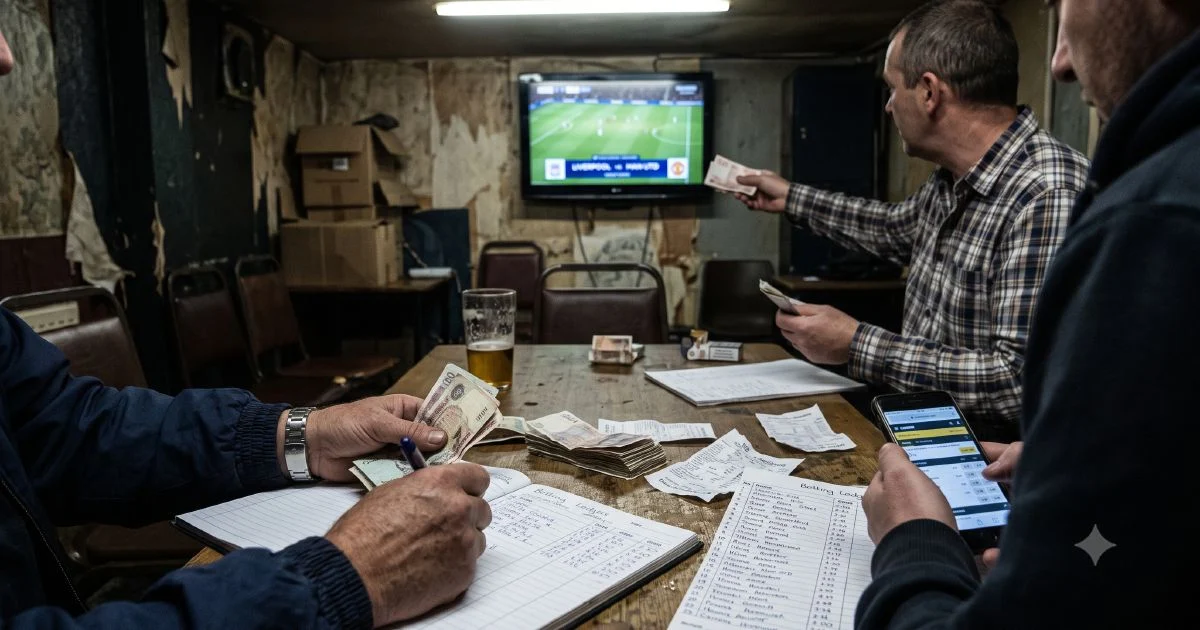
A sweeping nationwide police operation has dismantled a significant portion of Malaysia's underground betting networks, resulting in the arrest of 331 suspects and the identification of betting transactions totalling over RM2.63 million. Dubbed Operation Soga XI, the enforcement drive targeted the proliferation of unlicensed sports betting syndicates and online gambling platforms that have capitalised on global sporting events, particularly the approaching FIFA World Cup 2026.
The scale of the operation underscores the persistent challenge authorities face in combating illegal gambling enterprises across Malaysia. Despite existing regulatory frameworks and licensing requirements, underground betting remains deeply entrenched in Malaysian society, with operators continuously adapting their methods to evade detection. The World Cup, as one of the world's largest sporting spectacles, traditionally sees a spike in betting activity both licensed and unlicensed, making such enforcement operations particularly necessary during tournament cycles.
Operation Soga XI represents a coordinated multi-agency approach involving police units across different states and federal territories. The operation's timing ahead of the FIFA World Cup 2026, scheduled to take place in North America, reflects law enforcement's strategy of preempting anticipated surge in gambling demand. By striking now, authorities aim to dismantle infrastructure and networks before the tournament generates peak interest and wagering volumes across the country.
The RM2.63 million in identified betting transactions provides a window into the economic scale of illegal gambling operations. This figure likely represents only a portion of total unlicensed betting activity, as law enforcement typically can only uncover transactions directly linked to arrested individuals or monitored platforms. The actual size of Malaysia's underground betting economy is considerably larger, encompassing numerous syndicates operating through terrestrial networks, social media channels, messaging applications, and increasingly sophisticated online platforms hosted on offshore servers.
The 331 arrests encompass individuals at various levels of the betting ecosystem, from street-level agents collecting bets from neighbourhood customers to organisers and financiers running larger operations. Understanding this hierarchical structure is crucial for disrupting the sustainability of these networks. While arresting frontline operators provides temporary disruption, targeting the financial backers and organisational heads proves more effective at permanently dismantling syndicates. The distribution of charges across different operational levels will become apparent as cases progress through Malaysia's judicial system.
Online gambling presents particular enforcement challenges that Operation Soga XI likely encountered. Illegal betting platforms operate across jurisdictional boundaries, with many servers housed in countries with permissive regulatory environments or weak law enforcement cooperation. Operators use encryption, cryptocurrency payments, and rotating domain names to maintain anonymity and evade detection. Malaysian police must increasingly coordinate with international counterparts and internet service providers to trace transactions and identify operators, a resource-intensive process that stretches law enforcement capacity.
The existence of licensed, regulated sports betting alternatives through Magnum 4D, Da Ma Cai, Toto, and a limited number of online operators authorised by the government creates an interesting policy dimension. These legal platforms offer lower odds and tax revenue flowing to the government, yet substantial numbers of Malaysians continue patronising illegal operators. Reasons include superior odds, convenience of online access, lower minimum stakes, and ability to bet on international matches that licensed operators may not offer. The persistence of illegal betting despite legal alternatives suggests that regulatory barriers and taxation levels drive customers toward underground networks.
From a regional perspective, Malaysia's crackdown aligns with broader Southeast Asian concerns about gambling's social costs and organised crime connections. Illegal betting syndicates frequently intersect with money laundering operations, loan sharking, and other criminal enterprises. Thailand, Singapore, and Indonesia have similarly intensified enforcement against unlicensed gambling. However, the cross-border nature of online betting means regional cooperation frameworks remain underdeveloped compared to drug trafficking cooperation, leaving opportunities for operators to exploit gaps in coordination.
The FIFA World Cup 2026 presents both a challenge and opportunity for Malaysian authorities. The tournament will inevitably stimulate betting demand, and law enforcement must sustain vigilance across multiple platforms. Simultaneously, the heightened attention and resources dedicated during tournament periods creates chances to gather intelligence, identify networks, and pursue longer-term investigations. The success of Operation Soga XI will largely be determined by whether arrests translate into prosecutions resulting in meaningful sentences that deter participation in illegal gambling enterprises.
Prevention through public awareness campaigns highlighting the legal and financial risks of unlicensed betting remains underutilised in Malaysia. Many casual bettors may not fully appreciate the legal penalties or the financial instability of underground operators. Enhanced education efforts, particularly targeting younger demographics increasingly accessing betting through social media, could reduce demand for illegal services. Public health perspectives emphasising problem gambling risks have also gained prominence internationally, offering potential frameworks for Malaysia to adopt in complementing enforcement-focused approaches.
The government's policy response will be closely watched. Whether arrested individuals face prosecution under existing gambling laws, whether those laws are strengthened to impose harsher penalties, and whether regulations governing licensed operators are adjusted to better compete with unlicensed alternatives will all influence the betting landscape over coming years. Some jurisdictions have explored legalisation and strict regulation of online sports betting as an alternative to enforcement-heavy strategies, though such approaches remain politically contentious in Malaysia's conservative environment.
Moving forward, sustaining pressure on illegal betting operations requires continued inter-agency coordination, technological investment in surveillance and forensic capabilities, and international cooperation. Operation Soga XI demonstrates commitment to enforcement, yet the underlying demand for betting will persist regardless of arrests. Addressing root causes through regulatory reform, licensed market development, and public education represents the comprehensive approach required to meaningfully reduce illegal gambling's footprint in Malaysian society.

