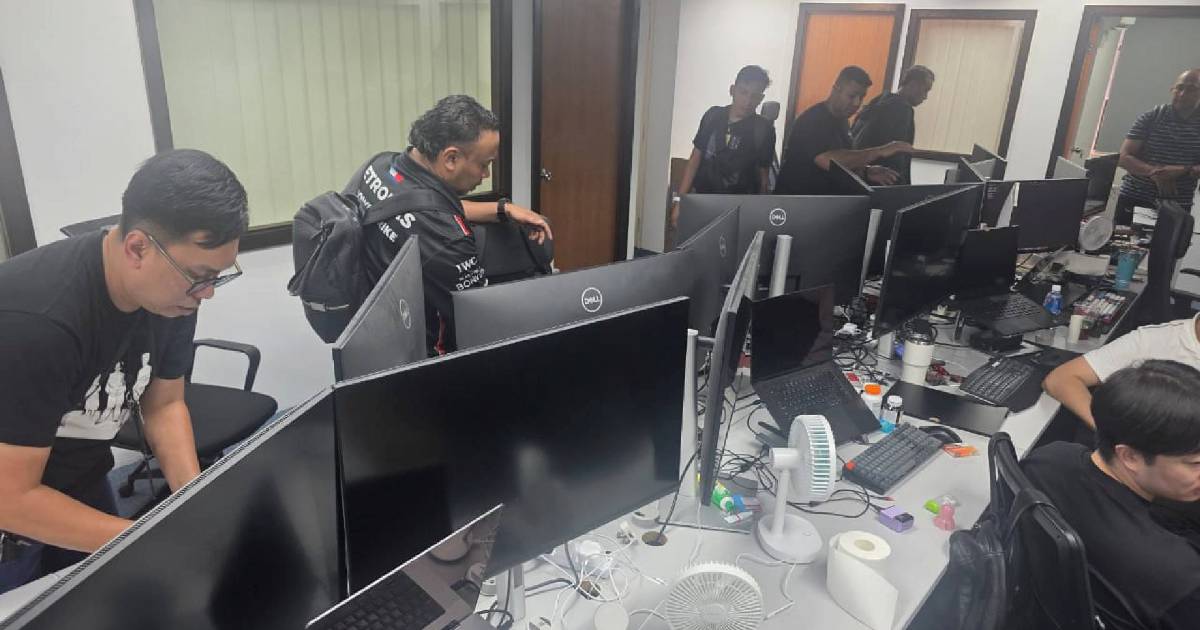
Police in Kuala Lumpur have rolled out a significant crackdown on illegal sports gambling, arresting eleven individuals during a targeted operation against a World Cup betting syndicate operating from an office building in Taman Desa, Brickfields. Among those detained were six South Korean nationals, signalling the international reach of the illegal wagering network that authorities had been investigating.
The raid represents the latest enforcement action in the Malaysian authorities' ongoing battle against organised gambling operations. Such syndicates, particularly those linked to major sporting events, have become increasingly sophisticated in their use of technology to evade detection. Call centres serve as the operational hub for these networks, where staff coordinate betting activities, process wagers, and manage client communications with a level of operational security designed to frustrate law enforcement.
The targeting of this particular operation during the World Cup period underscores the heightened law enforcement attention that accompanies major international sporting tournaments. Major football competitions create spikes in illegal betting activity, as the global interest in matches makes these events prime windows for underground gambling networks to maximise their operations and turnover. The presence of South Korean nationals within the syndicate suggests the network may have served customers across East Asia or operated as part of a larger transnational gambling enterprise.
Kuala Lumpur and the surrounding Klang Valley region have historically harboured numerous underground betting operations, many taking advantage of the city's status as a regional business hub. The cosmopolitan nature of the capital provides cover for such activities, with office buildings in commercial districts like Brickfields being ideal locations for operators seeking to maintain a veneer of legitimacy. Authorities have progressively refined their intelligence-gathering and raid techniques to penetrate these operations.
The involvement of foreign nationals in such rings reflects a broader pattern in Southeast Asian gambling enforcement. Many underground betting syndicates operate as multinational enterprises, with operatives and management drawn from multiple countries. South Korea has a substantial expatriate community in Malaysia, and some elements have been historically involved in various illegal enterprises. The composition of this particular group suggests a professionally managed operation with a defined hierarchy and specialised roles.
Under Malaysian law, operating an illegal gambling operation carries serious penalties. Those convicted may face substantial fines and imprisonment, with sentences potentially extending several years depending on the scale of the operation and individual roles within the syndicate. Organisers and managers typically face harsher penalties than lower-level operatives. The legal framework reflects the government's firm stance against gambling activities that operate outside the tightly regulated legal framework governed by licensed entities like Magnum 4D, Da Ma Cai, and Toto.
The raid outcomes will likely include the seizure of operational materials—mobile phones, computers, ledgers, and financial records that document betting transactions and client information. Such evidence becomes crucial for prosecutors establishing the scope and financial scale of the operation. Authorities will scrutinise these materials to determine whether this call centre was an independent operation or merely one node within a larger network spanning multiple locations across Malaysia or the region.
From an intelligence perspective, the operation provides valuable insights into current syndicate structures and methods. Law enforcement agencies throughout Southeast Asia increasingly share information about transnational gambling networks, recognising that such activities often involve money laundering and links to other organised crime. The recovery of client records could lead authorities to identify numerous individuals placing illegal bets, potentially generating additional investigations and prosecutions.
The broader context for this enforcement action reflects Malaysia's commitment to maintaining strict gambling controls. While licensed lottery and horse racing betting remains legal and heavily regulated, unlicensed gambling operations continue to proliferate, particularly those offering online platforms and call centre services. These unregulated operations deprive the government of tax revenue and create opportunities for money laundering and financial crime.
For South Korean nationals detained in connection with the operation, the situation represents a serious complication for those implicated in management or organisational roles. The involvement of foreign operators often triggers additional scrutiny from immigration authorities, potentially resulting in visa cancellations, deportation proceedings, and entry bans. This creates deterrent effects both for the individuals involved and for others considering involvement in such schemes.
The operation also highlights the persistent challenge law enforcement faces in combating gambling rings that adapt quickly to enforcement pressure. Syndicates rotate locations, change communication methods, and employ various obfuscation techniques. Success in dismantling one operation often generates intelligence that helps authorities target related networks, creating a cascading effect that can significantly disrupt illegal gambling activities across a region.

