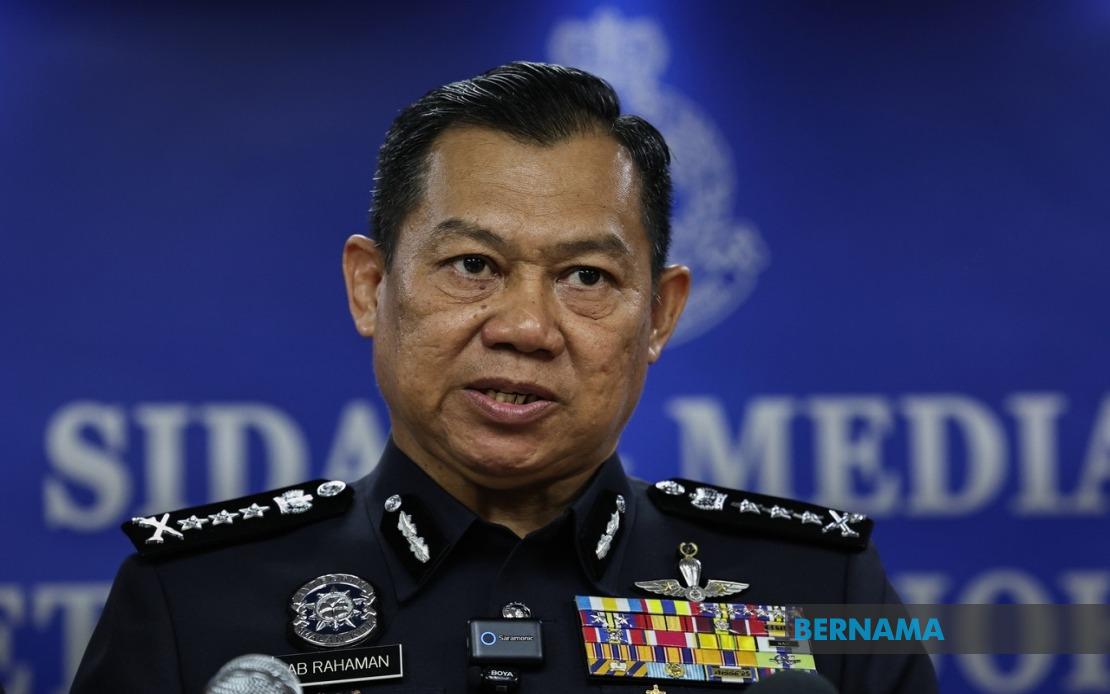
The Royal Malaysia Police has announced a comprehensive security mobilisation for the forthcoming Johor State Election, committing nearly 12,000 personnel to oversee the electoral process. According to Johor Police Chief Datuk Ab Rahaman Arsad, the force will position 11,926 officers and personnel strategically throughout the election period to preserve order and facilitate smooth polling operations. The deployment strategy reflects the police's commitment to protecting democratic processes in one of Malaysia's largest and most significant states.
The security operation will unfold across five distinct phases, with commanders adjusting personnel distribution as operational circumstances demand. This phased approach allows the police to calibrate its response to specific requirements at each stage of the election cycle, from campaign activities through to counting and result verification. Datuk Ab Rahaman explained during a briefing at Johor Police Contingent Headquarters that the flexibility embedded within the deployment plan enables rapid reallocation of resources should emergent security concerns arise.
Beyond the core PDRM establishment, the Johor Police Contingent has secured substantial reinforcement from specialised units under the Internal Security and Public Order Department. This collaborative framework incorporates 54 officers and 701 additional personnel drawn from the General Operations Force, Federal Reserve Unit, PDRM Air Unit, and Marine Police Force. The inclusion of maritime and aerial capabilities underscores the comprehensive nature of the security apparatus, particularly relevant given Johor's geographic spread and coastal characteristics.
The deployment of the General Operations Force represents a significant escalation in readiness, as this unit typically handles sensitive public order situations requiring specialised training. The Federal Reserve Unit's involvement further signals the authorities' determination to prevent disorder and maintain the integrity of the electoral environment. The inclusion of air and marine units, while perhaps less visible to the general public, demonstrates proactive contingency planning for various scenarios that might unfold across the state's diverse terrain.
For Malaysian voters in Johor, this substantial security presence aims to create an environment where citizens can exercise their democratic rights with confidence. The visible police deployment, combined with specialised units operating behind the scenes, is intended to deter potential troublemakers and reassure the electorate that their safety is a priority. Previous state and general elections have shown that adequate security preparations contribute significantly to voter turnout and public confidence in the electoral process.
The five-phase deployment structure reflects lessons learned from previous major electoral exercises across Malaysia. Early phases typically focus on preventing pre-election violence and ensuring campaign activities remain orderly, while later phases concentrate on polling day security and post-election management. This tiered approach allows commanders to maintain operational tempo while avoiding the resource strain of maximal deployment throughout the entire period.
For Southeast Asian observers, Malaysia's elaborate election security machinery reflects both the maturity of its democratic institutions and the seriousness with which election management is undertaken. Compared to some regional counterparts, the emphasis on maintaining public order through police presence rather than military deployment demonstrates the civilian-led character of Malaysian electoral administration. The coordination between different police units and specialised forces indicates sophisticated interagency planning.
The timing of such deployments carries particular significance in Johor, where electoral outcomes have historically shaped national political trajectories. As a state with substantial population and economic influence, any disruption to the electoral process could reverberate across Malaysia's political landscape. The police's comprehensive preparation thus serves not merely local purposes but safeguards the integrity of democratic processes with statewide and potentially national implications.
Resource allocation on this scale necessitates careful planning and coordination across multiple police branches. The integration of personnel from different operational backgrounds requires clear command structures and unified objectives. Training protocols and communication systems must ensure that thousands of officers from various units can function cohesively despite their different specialisations and regular posting locations.
Community policing considerations also inform the deployment strategy, as the heavy police presence must balance security imperatives with public accessibility and trust. Voters need to feel that police are present to protect them rather than intimidate them, a delicate equilibrium that experienced commanders attempt to achieve through appropriate personnel positioning and engagement protocols. The professionalism of deployed officers significantly influences whether the public perceives the security operation as protective or oppressive.
The operational expense associated with deploying nearly 12,000 personnel reflects the government's prioritisation of electoral integrity. Beyond direct cost, the withdrawal of these officers from regular duties across Johor creates temporary capacity challenges in routine policing, requiring careful scheduling to minimise public safety impacts. Police headquarters must ensure that election security needs do not compromise regular crime prevention and response capabilities.
Looking forward, the success of this deployment will be measured not merely by the absence of major incidents but by voter perception of safety and confidence in the electoral process. The police's communication strategy, explaining the presence of various security units to the public, will influence how citizens interpret and respond to the visible security apparatus. Clear, transparent messaging about why different police units are deployed helps demystify security operations and builds public confidence.