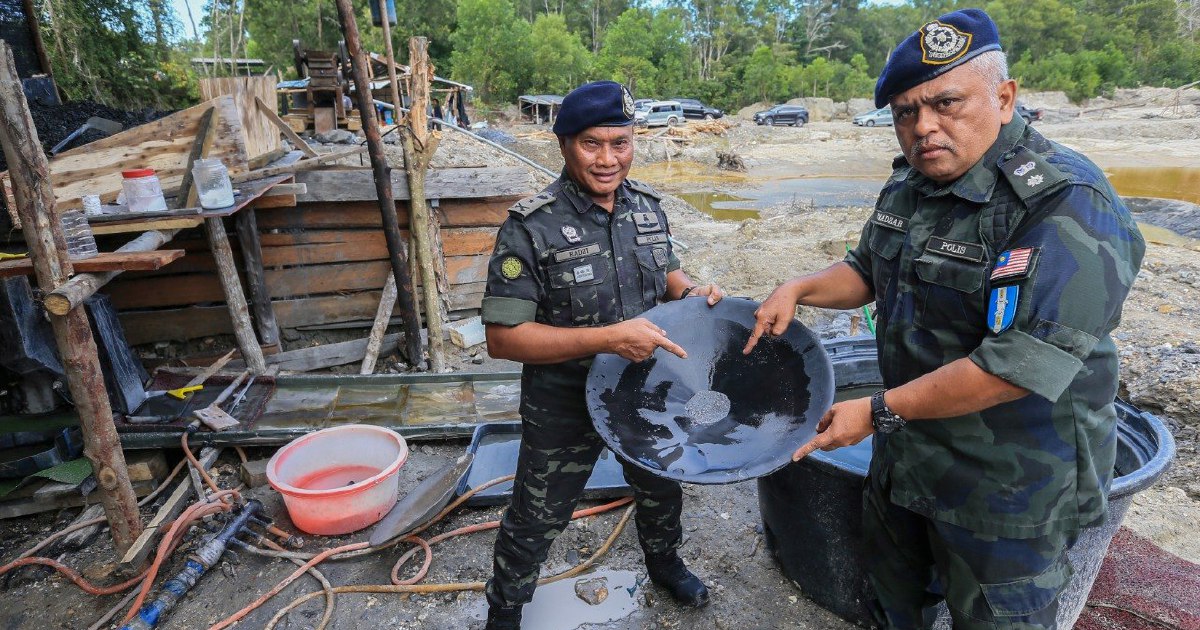
Police in Terengganu have broken up a sophisticated underground gold mining syndicate that was generating substantial daily profits through illicit extraction operations. The enforcement action, which unfolded at Bukit Kor in the Marang district, resulted in the detention of 15 individuals allegedly involved in running what authorities believe was the 'Mak Siti' syndicate.
The operation represented a significant commercial enterprise within Malaysia's illegal mining landscape. Financial records and witness statements indicated the cartel was extracting revenues of approximately RM13,000 daily from its clandestine gold extraction activities. This scale of operation suggests the syndicate had established secure distribution networks and maintained steady demand for its output, pointing to broader issues around precious metals trafficking in the region.
The raid itself involved coordinated police movements designed to apprehend key figures and gather evidence of the operation's extent. The detention of such a large group of suspects indicates the syndicate operated with multiple layers of personnel—likely including miners, logistics handlers, buyers, and management figures—each serving specialized roles within the criminal enterprise.
Illegal gold mining has become increasingly prevalent across Malaysia and Southeast Asia over recent years, driven by fluctuating international gold prices and limited enforcement resources relative to the geographic scale of operations. The activity causes significant environmental degradation, particularly in forested and agricultural areas where mining operations leave behind toxic residue, damaged waterways, and destabilized terrain. Beyond ecological harm, the practice fuels broader organized crime networks and diverts precious natural resources beyond government regulatory oversight and taxation.
For Malaysian communities, particularly those in resource-rich states like Terengganu, illegal mining presents multifaceted challenges. Local residents often face environmental contamination affecting agriculture and water supplies, while property values decline near known extraction sites. The presence of criminal syndicates can also increase violence and drug trafficking in affected areas, as organized crime groups diversify their illicit enterprises.
The Terengganu police operation reflects intensifying efforts by law enforcement to address the problem, though experts argue current strategies remain insufficient given the profitability driving continued expansion. Each major syndicate dismantled typically represents just one node within wider networks that quickly reconstitute once key figures face prosecution. International cooperation—particularly with Thailand, the Philippines, and Indonesia where transnational mining syndicates operate—remains underdeveloped.
From a regulatory perspective, the 'Mak Siti' syndicate's apparent longevity before detection highlights vulnerabilities in monitoring remote extraction sites. Malaysia's approach has traditionally emphasized reactive raids rather than implementing technological surveillance systems or community-based intelligence gathering in high-risk mining zones. Enhanced coordination between district authorities, environmental agencies, and federal police could strengthen prevention capabilities.
The case also underscores challenges within Malaysia's formal gold sector. Legitimate small-scale miners and jewelry manufacturers sometimes serve as unwitting purchasers of illegally extracted gold due to insufficient traceability mechanisms. Establishing robust supply chain verification would help legitimate industry participants avoid inadvertent involvement while reducing markets for criminal extraction.
For investors and businesses operating in affected regions, the syndicate's bust carries implications regarding resource security and political stability. Large-scale illicit extraction activities drain state resources, attract organized crime elements, and can destabilize local governance structures. Companies with operations or supply chains touching mining-adjacent sectors must increasingly account for these risk factors.
Moving forward, authorities face the dual challenge of maintaining enforcement pressure while addressing root causes driving individuals into illegal mining. Economic alternatives in resource-dependent communities, combined with stricter anti-trafficking protocols at precious metals trading hubs, could reduce supply-side incentives. The detention of 15 'Mak Siti' operatives represents important progress, yet sustained effort across multiple government agencies and private sector partners will prove essential to preventing regeneration of similar criminal enterprises.

